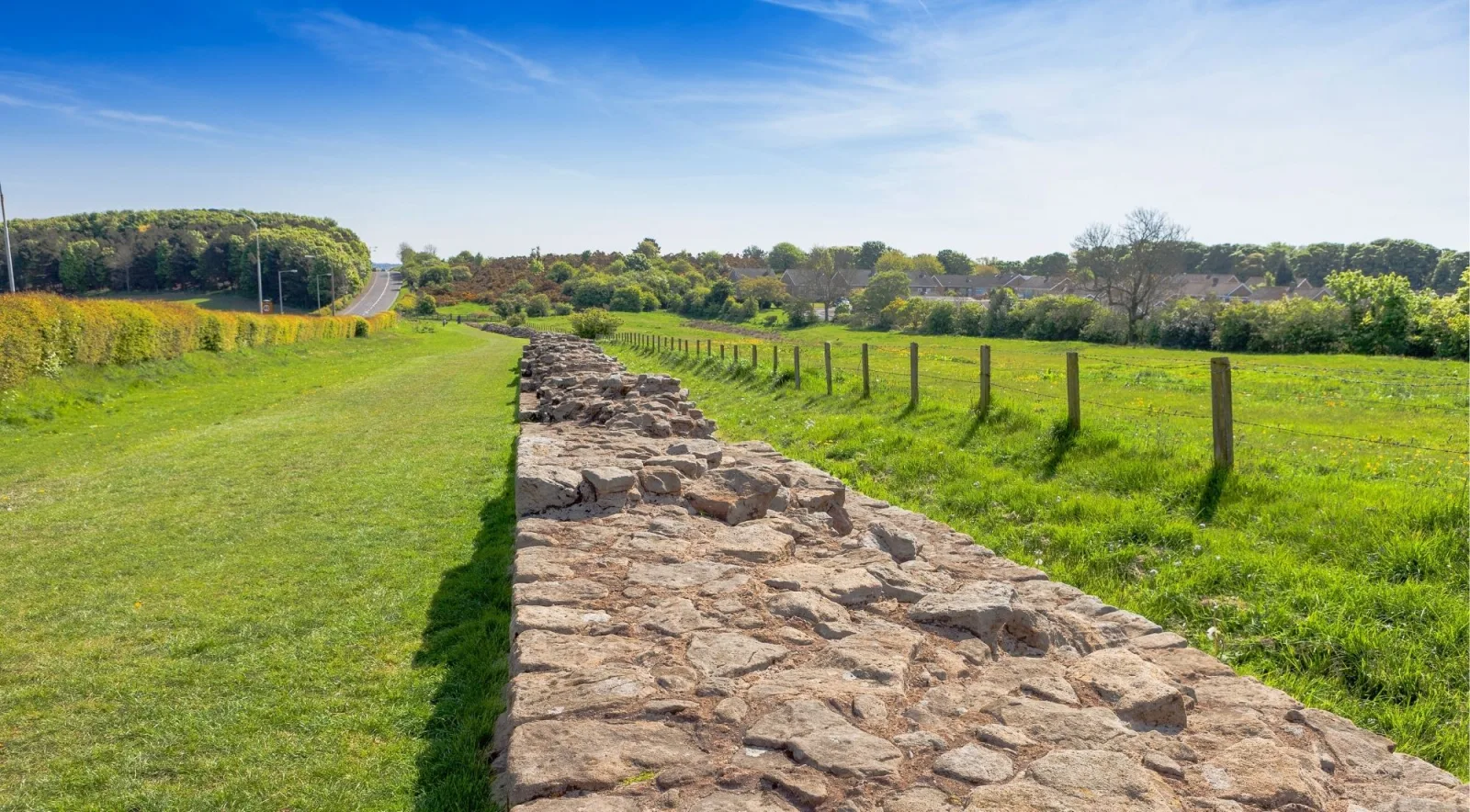
The best Hadrian’s Wall itinerary at a glance
| Approximate time | Stop | What to do |
|---|---|---|
| 08:30–10:00 | Travel to the central Wall | Leave your accommodation early and avoid adding unnecessary stops |
| 10:00–11:45 | Housesteads Roman Fort | Explore the fort, museum and adjacent Wall |
| 12:00–13:00 | Lunch and transfer | Eat nearby or take a prepared lunch |
| 13:00–15:30 | Vindolanda | Visit the excavated settlement and museum |
| 15:45–17:15 | Steel Rigg | Take a short scenic walk suited to your ability |
| From 17:15 | Return journey | Travel back without relying on a last-minute connection |
These are planning estimates, not official opening times. Check live attraction hours, last entry, weather and transport before travelling. In winter, reduce the itinerary to fit the shorter daylight window.
Why this route works
Housesteads, Vindolanda and Steel Rigg are close enough to combine without spending the entire day driving, yet different enough to avoid repetition.
At Housesteads, you stand inside one of the most complete Roman forts in Britain and see how it relates to the curtain Wall. Vindolanda tells a more personal story through excavated buildings, objects and the famous writing tablets. Steel Rigg then places the frontier in its dramatic Whin Sill landscape.
The itinerary also follows a sensible rhythm. It begins with a structured archaeological site, moves to the larger Vindolanda experience and finishes outdoors when the group can choose a walk according to remaining time and energy.
If the forecast promises a dry morning and heavy afternoon rain, reverse the logic: walk first and place the museums later. A private guide can make this adjustment during the day, while independent visitors should decide before committing to admission times or transport connections.
Stop 1: Housesteads Roman Fort
Why begin at Housesteads?
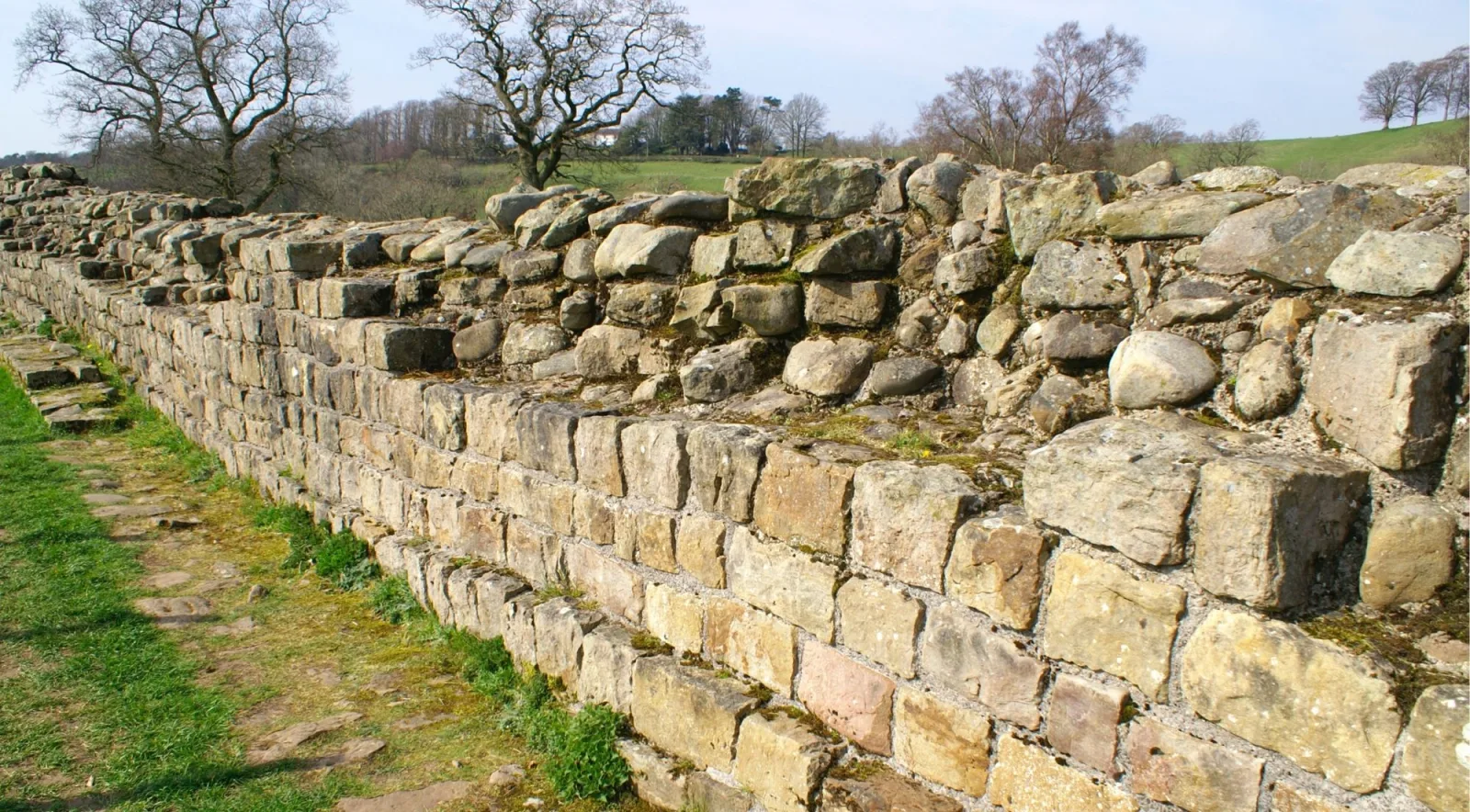
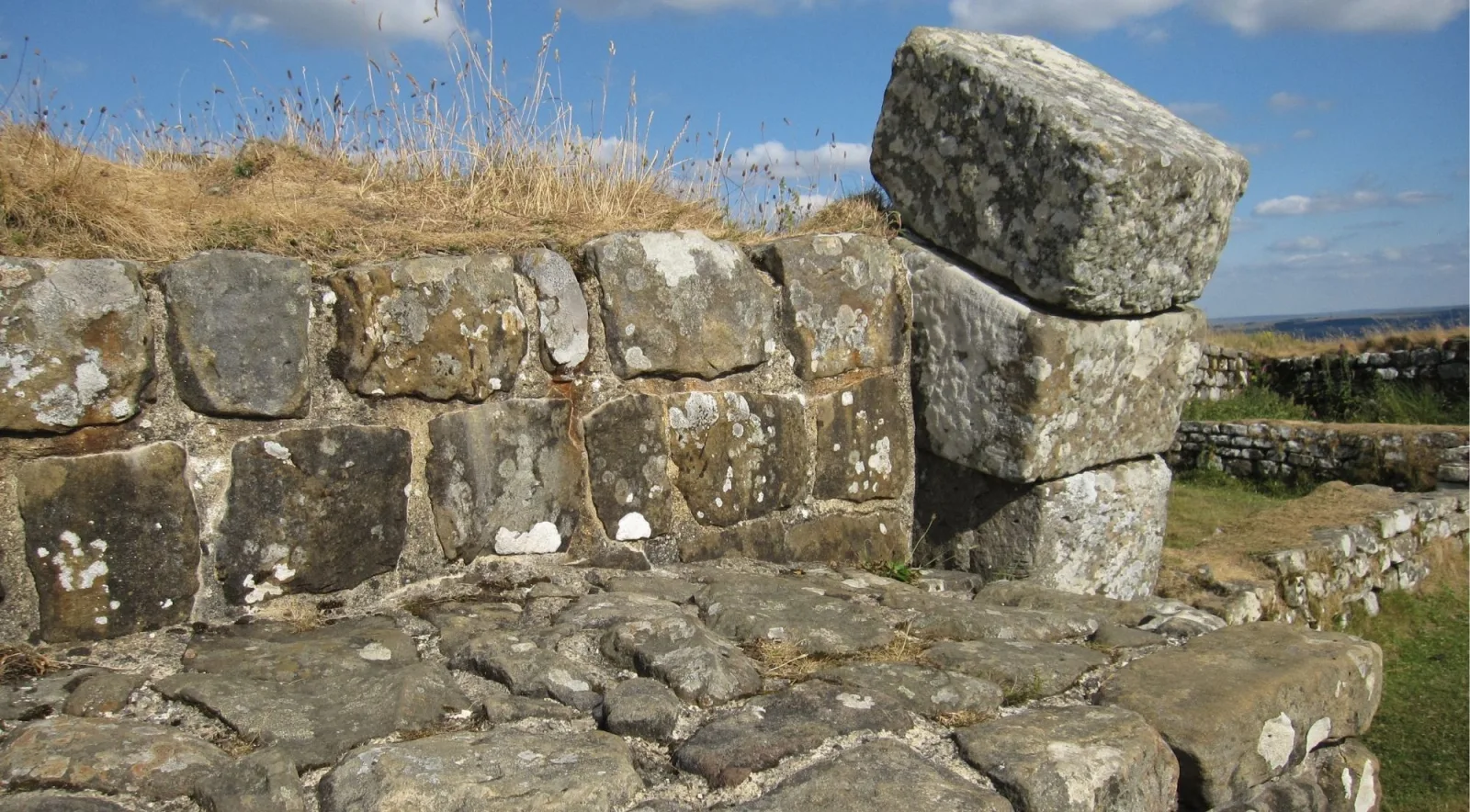
Housesteads provides the clearest first encounter with a fort positioned directly on Hadrian’s Wall. The remains include gates, barracks, the headquarters area and the fort’s well-known communal latrine. From the site, the Wall continues across high, open countryside. Independent visitors can compare Housesteads Roman Fort entry tickets, rated 4.22 out of 5 from 55 reviews when checked on 18 September 2026.
Beginning here creates an immediate understanding of the frontier’s scale and location. Later finds at Vindolanda make more sense once you have seen the buildings and terrain associated with a Roman garrison.
How long should you allow?
Allow approximately 90 minutes to two hours. This includes the uphill approach from the main visitor facilities, the museum, the fort remains and a short look along the Wall.
Do not underestimate the approach. English Heritage notes that the fort and museum are uphill from the car park. Visitors with limited mobility should check current access information and may prefer a different first stop, such as Chesters.
What should you focus on?
Rather than trying to memorise every building, look for the fort’s overall plan:
- Defensive walls and gateways
- Central headquarters building
- Barrack blocks
- Hospital and storage areas
- The latrine and drainage system
- The relationship between the fort and Hadrian’s Wall
A guide can help distinguish Roman structures from later changes and explain why this exposed location mattered.
Lunch: keep it simple
A one-day itinerary can lose a surprising amount of time to lunch. Check current café and food options near the route, but carry water and a backup snack even when you plan to buy food.
A packed lunch gives the greatest flexibility and can be eaten during the transfer or at an appropriate designated area. If you prefer a seated meal, reserve roughly an hour and remove an optional stop rather than rushing Vindolanda.
Do not assume every café operates year-round or serves food until the associated attraction closes. Rural opening schedules may be shorter outside the main season.
Stop 2: Vindolanda Roman Fort and Museum
Why include Vindolanda?
Vindolanda lies just south of Hadrian’s Wall and developed through a series of forts and settlements. It is celebrated for extraordinary archaeological finds, including wooden writing tablets that preserve messages from everyday frontier life.
This site complements Housesteads. Housesteads shows the form of a fort on the Wall; Vindolanda provides layered archaeology and intimate evidence of the people living in the frontier zone.
How long should you allow?
Plan for at least two hours. Two and a half hours is more comfortable if you enjoy museums or want to explore the outdoor remains thoroughly.
Vindolanda is not suitable for a 30-minute photo stop. The museum and outdoor site both deserve attention, and active excavation may add another point of interest during the digging season.
What should you see?
Prioritise:
- The excavated fort and settlement remains
- Museum displays of writing tablets and other organic finds
- Shoes, tools and personal objects from frontier life
- Reconstructed or interpreted buildings that help explain the site
- Views across the excavation area
The Vindolanda Trust offers guided site tours on selected dates, but times and availability should be checked directly. If joining one, build it into the schedule rather than treating it as extra time.
Stop 3: Steel Rigg and the central Wall
Why finish with the landscape?
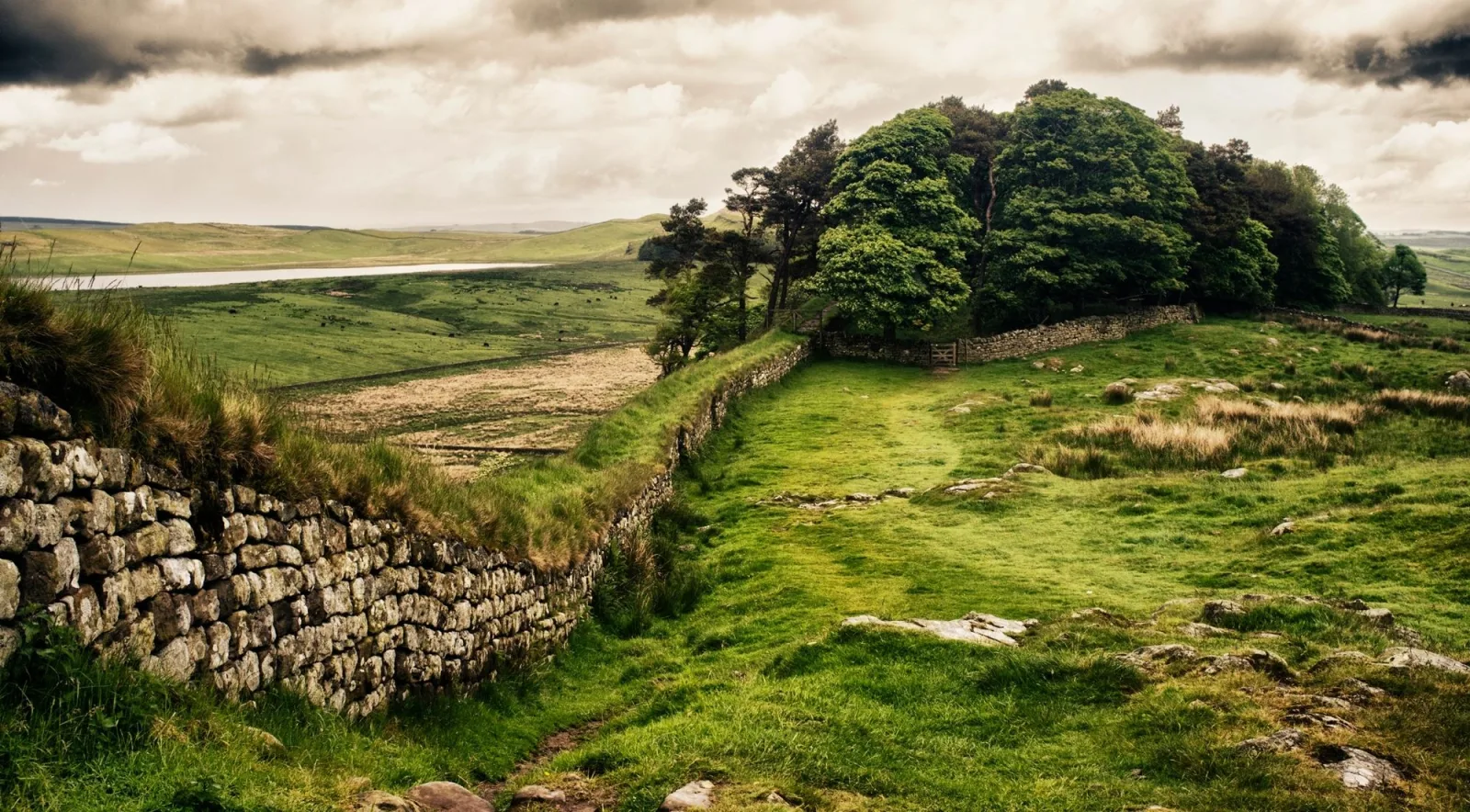
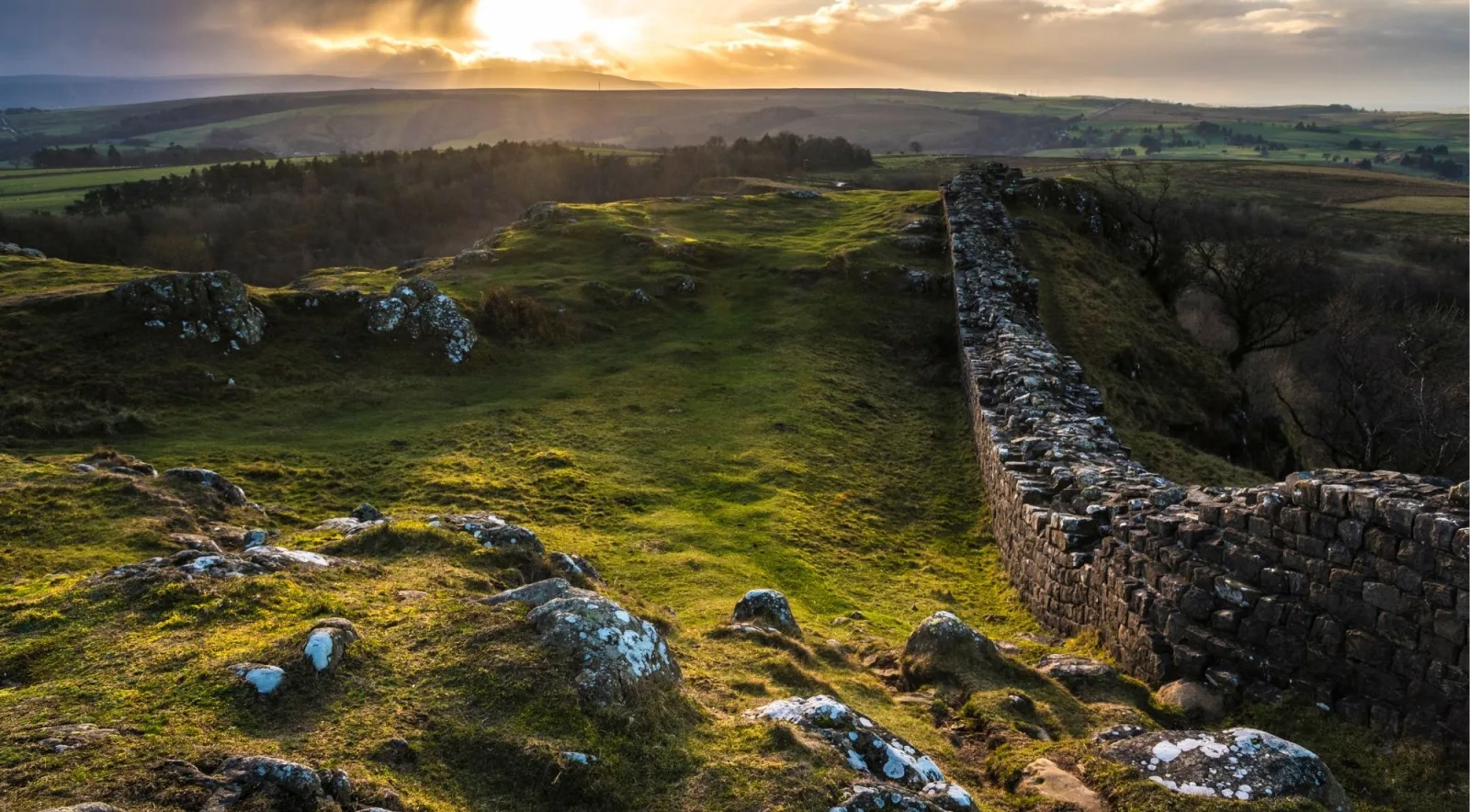
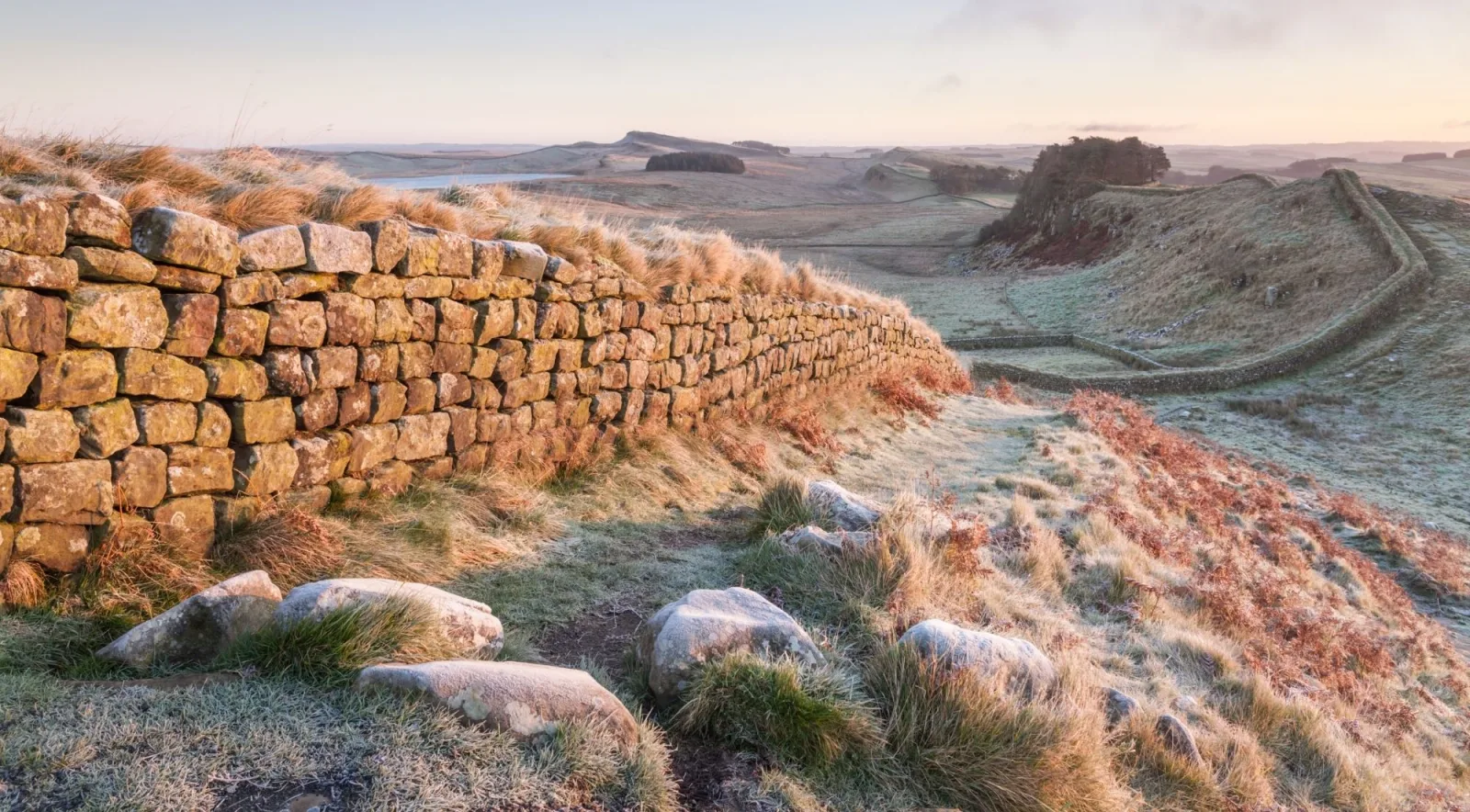
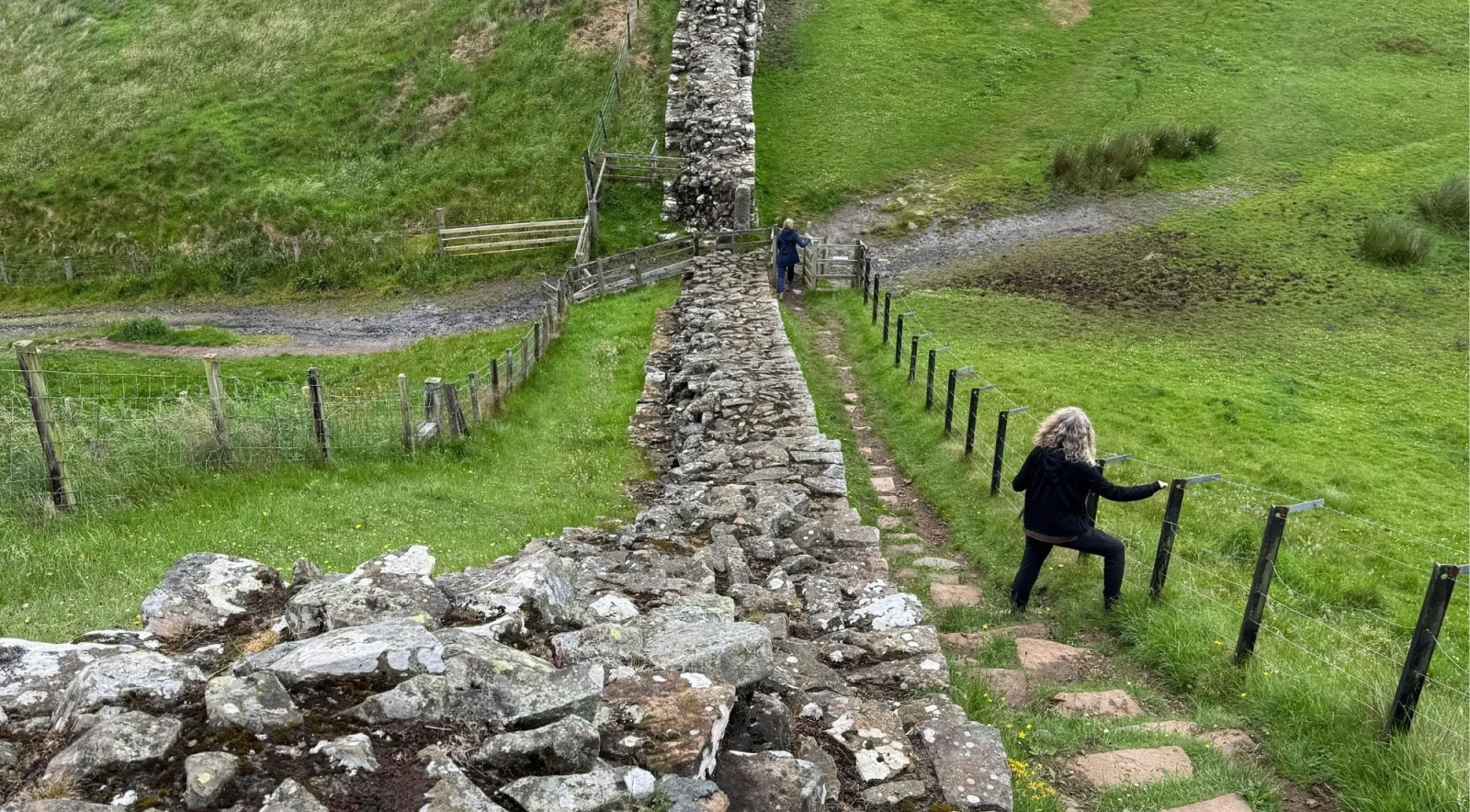
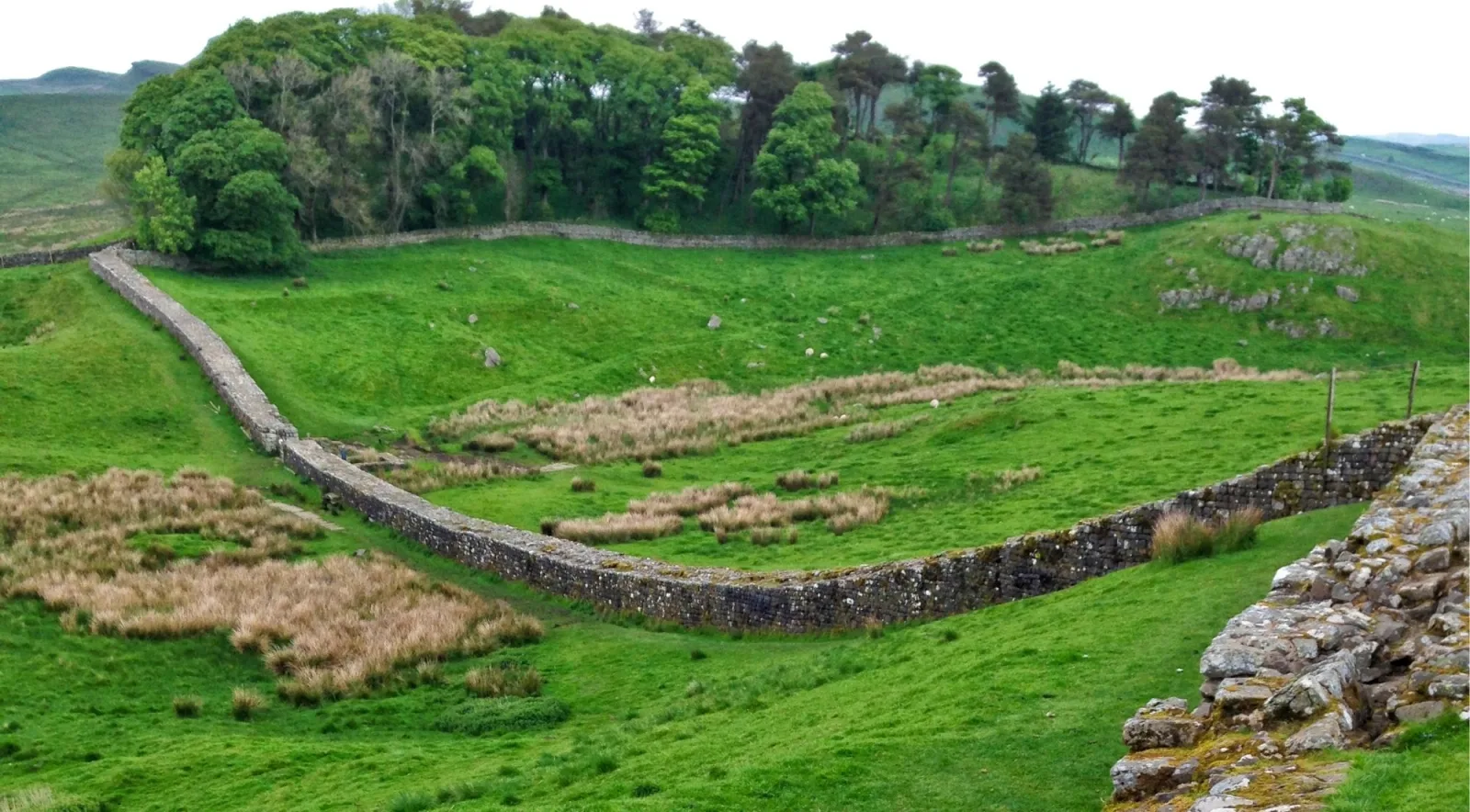
Steel Rigg provides access to the high central section that appears in many photographs of Hadrian’s Wall. Here, the frontier rises and falls across volcanic crags, making the engineering decision and natural defensive setting immediately visible.
After several hours of museum interpretation, a landscape walk gives the day a strong finish. It also lets the group choose between a short viewpoint visit and a more demanding hike.
How much walking should you do?
For a mixed group, allow 45 to 90 minutes and walk only as far as time, weather and energy permit. The terrain includes steep slopes, stone and potentially muddy or slippery surfaces. The distance on a map may look modest while the effort is not.
Do not attempt a long linear section late in the day unless the return transport is secured. Walkers should know exactly how they will return to the vehicle or bus stop.
What about Sycamore Gap?
The landscape around Sycamore Gap remains culturally significant, although the famous tree was illegally felled in 2023. Visitors should approach the area as a protected historic landscape rather than as a single photo location. Allow enough time for the walking distance and observe all path and conservation guidance.
A realistic itinerary from Newcastle
Newcastle is the most convenient major city for the central Wall and offers the broadest selection of organised day tours.
By guided tour or car
A sensible schedule is:
- Leave Newcastle between 08:30 and 09:00.
- Reach Housesteads near opening time.
- Explore the fort for around 90 minutes.
- Continue to Vindolanda for lunch and a two-hour visit.
- Finish with a short walk at Steel Rigg.
- Return to Newcastle in the early evening.
Actual drive times depend on traffic, roadworks and the pickup point. A guide may change the order to avoid crowds or respond to the weather.
By public transport
Take a train from Newcastle towards Hexham or Haltwhistle and connect with the current Wall bus network. The AD122 serves major central attractions, but its timetable and operating pattern must be checked for the exact date.
Public transport makes the three-stop itinerary tighter. Choose two anchors rather than risking the last bus. Vindolanda plus Housesteads can work when the connections align; otherwise combine one major attraction with a nearby walk.
See our guide to Hadrian’s Wall tours from Newcastle for detailed options.
A realistic itinerary from Carlisle
Carlisle is better placed for the western Wall. You can still follow the central itinerary, but the transfer to Housesteads and Vindolanda is longer.
Option 1: central Wall highlights
Leave Carlisle early and travel directly to Vindolanda or Housesteads. Visit both, then add a short stop at Steel Rigg or Walltown if daylight permits. Avoid adding Chesters or Corbridge, which would push the day farther east.
Option 2: western and central balance
For less driving, use this route:
- Birdoswald Roman Fort
- Roman Army Museum
- Short walk at Walltown Crags
This alternative still combines a fort, a museum and impressive scenery. It is often the better Carlisle day because more time is spent exploring and less in the vehicle.
Read our complete guide to Hadrian’s Wall tours from Carlisle.
A lower-walking one-day itinerary
Visitors who prefer limited walking should not assume that Hadrian’s Wall is inaccessible. The route simply needs different priorities.
Consider:
- Chesters Roman Fort and the Clayton Museum
- Vindolanda or the Roman Army Museum
- A vehicle-accessible viewpoint selected according to current conditions
Chesters occupies a gentler riverside setting than Housesteads, although its archaeological ground remains uneven. Museums provide historical depth without requiring a long ridge walk.
Ask a tour operator for exact distances from vehicle to entrance, gradients, surfaces and available seating. “Minimal walking” is subjective and should be translated into practical measurements.
A rainy-day itinerary
Rain does not necessarily ruin a Hadrian’s Wall day. Wind, low cloud and saturated ground can be more disruptive than light rain.
On a wet day, prioritise:
- Vindolanda and its museum
- The Roman Army Museum
- One short outdoor fort visit if conditions remain safe
Carry waterproof clothing and spare protection for phones or cameras. Umbrellas are often impractical on exposed ground. If visibility is poor, replace a long scenic walk with a short look at Wall remains near a museum or fort.
Do not add distant indoor attractions merely to preserve the number of stops. A geographically compact wet-weather route remains more enjoyable.
A one-day itinerary for families
Children usually respond better to variety than to a succession of similar ruins. Combine one fort, one interactive or object-rich museum and a short outdoor walk.
Vindolanda works well because its finds connect with daily life. Housesteads allows children to explore the shape of a real fort, while a brief section of Wall adds space and movement.
Keep the schedule flexible enough for food, toilets and changing attention spans. A private tour can be particularly useful for families because the guide can adapt the commentary and shorten stops without affecting other travellers. See our private vs small-group comparison for how the two formats handle family days differently.
Check child-seat arrangements, minimum ages and family admission terms before booking.
Guided tour, self-drive or public transport?
Guided tour
A guided vehicle tour is the easiest way to complete a full itinerary. Transport, routing and commentary are combined, and the operator can often respond to traffic or weather. It is the strongest option for a first visit without a car.
Self-drive
Driving offers flexibility and can be economical for a family or group. The driver must manage rural roads, parking and the timing of each stop. Download the route before departure and avoid relying on a weak mobile signal.
Public transport
Train and bus travel can work well when the plan is focused. It is less suitable for an ambitious three-site schedule because connection times control the day. Always identify the final return service before setting out.
For a fuller comparison, read guided vs self-guided Hadrian’s Wall tours and our Hadrian’s Wall bus and coach guide.
What not to include in a one-day itinerary
The entire frontier cannot be meaningfully covered in one day. Avoid combining the eastern end at Wallsend, the central forts and Bowness-on-Solway unless the purpose is simply to drive across the region.
For most visitors, these plans are too ambitious:
- Housesteads, Vindolanda, Chesters, Birdoswald and Corbridge in one day
- The full coast-to-coast Wall by car with museum visits
- A long central walk plus three major attractions
- Edinburgh return travel plus an extensive multi-fort route
- Bowness-on-Solway and Newcastle’s eastern Roman sites on the same day
More stops do not create a better tour. The Wall becomes memorable when there is time to understand its structures and experience the landscape.
How much will the day cost?
The total depends on the travel format, number of paid attractions and group size. Budget for:
- Guided-tour price, car hire or public transport
- Admission to Housesteads and Vindolanda
- Parking where applicable
- Lunch, water and snacks
- Optional guidebooks or site tours
- A taxi contingency when using rural transport
Check whether tour admissions are included. Some products cover guiding and transport only, while others package attraction entry. Advance booking may offer savings at individual sites, but conditions change.
What to bring
Even a vehicle-based itinerary spends significant time outdoors. Bring:
- Waterproof jacket
- Layers suitable for exposed conditions
- Shoes with grip
- Water and snacks
- Charged phone and power bank
- Downloaded tickets and transport information
- Sun protection in warm weather
- Any required medication
The central Wall can feel colder and windier than Newcastle or Carlisle. Dress for the exposed landscape rather than the departure city.
Booking checklist
Before finalising the day, confirm:
- Opening hours and last admission for the exact date
- Whether advance tickets are recommended
- Live train and bus timetables
- Parking arrangements
- Walking distance and terrain
- Weather and daylight
- Tour inclusions and pickup point
- Lunch availability
- The final return connection
- A shorter bad-weather alternative
Frequently asked questions
Is one day enough for Hadrian’s Wall?
Yes. One day is enough for two major attractions and a short scenic walk. It is not enough to explore the entire frontier from coast to coast.
What is the best section for a first-time visitor?
The central section around Housesteads, Vindolanda and Steel Rigg provides the strongest mixture of Roman archaeology and dramatic scenery.
Can I visit Housesteads and Vindolanda in one day?
Yes. They are one of the best one-day combinations, provided you allow roughly two hours at Housesteads and at least two at Vindolanda, plus travel and a meal break.
Should I visit Housesteads or Vindolanda first?
Housesteads first creates a clear introduction to the Wall and fort layout. Reverse the order if guided-tour times, admission slots or weather make Vindolanda more practical in the morning.
Can I make this trip without a car?
Yes, using trains and the current Wall bus services. Reduce the itinerary to match the timetable and leave a margin for the final connection.
Is Steel Rigg suitable for everyone?
No. The landscape is steep and uneven in places. Visitors wanting a gentler experience should choose a shorter viewpoint or substitute an accessible stop after checking current conditions.
Is the itinerary suitable in winter?
It can be, but attraction schedules and daylight are reduced. Select two main stops, begin early and keep the outdoor section short.
Would a private tour be better?
A private tour is useful for families, groups and visitors who want adjustable walking or hotel pickup. A small-group tour normally costs less per person. Compare them in our private vs small-group tour guide.
Final one-day plan
For the best first visit, spend the morning at Housesteads Roman Fort, devote the early afternoon to Vindolanda and finish with a carefully chosen walk from Steel Rigg.
From Carlisle, consider substituting Birdoswald, the Roman Army Museum and Walltown to reduce driving. By public transport, choose two principal stops and protect the return journey rather than chasing the full three-part schedule.
This balance — one Wall fort, one major museum site and one scenic walk — is what makes the day feel complete. It reveals the military frontier, the lives of its inhabitants and the landscape that shaped it.
Compare current Hadrian’s Wall day tour options, or read our complete day-trip guide for more route ideas.
Sources and travel updates
Details checked 18 September 2026. Confirm times, admissions and pickup arrangements for your travel date.