Quick verdict: when is a guided tour worth it?
| Situation | Is a tour worth it? | Why |
|---|---|---|
| First visit with one full day | Usually yes | A guide creates a coherent route and explains unfamiliar remains |
| No car | Usually yes, if transport is included | Transport between rural attractions is the largest practical benefit; a guide-only walk does not provide it |
| Roman-history enthusiast | Yes, with a specialist guide | Expert interpretation can reveal inscriptions, earthworks and building phases |
| Family or larger group | Often | A private vehicle may offer flexible pacing and competitive per-person value |
| Visitor with limited mobility | Often | A private itinerary can select gentler sites and accessible viewpoints |
| Self-drive visitor staying several days | Not always | You have time to research and visit independently |
| Experienced long-distance walker | Only for selected sections | A guide is most valuable for archaeological interpretation or difficult logistics |
| Very limited budget | Probably not | Public transport or self-drive with one paid site can cost less |
| One-fort visit | Not necessarily | On-site displays, audio guides or scheduled talks may provide enough context |
| Day trip from Edinburgh | Often | Organised transport removes the most demanding part of the long day |
What are you paying for?
The value of a Hadrian’s Wall tour is not limited to the guide’s spoken commentary. A well-designed tour combines several services that would otherwise require separate planning.
Transport between scattered sites
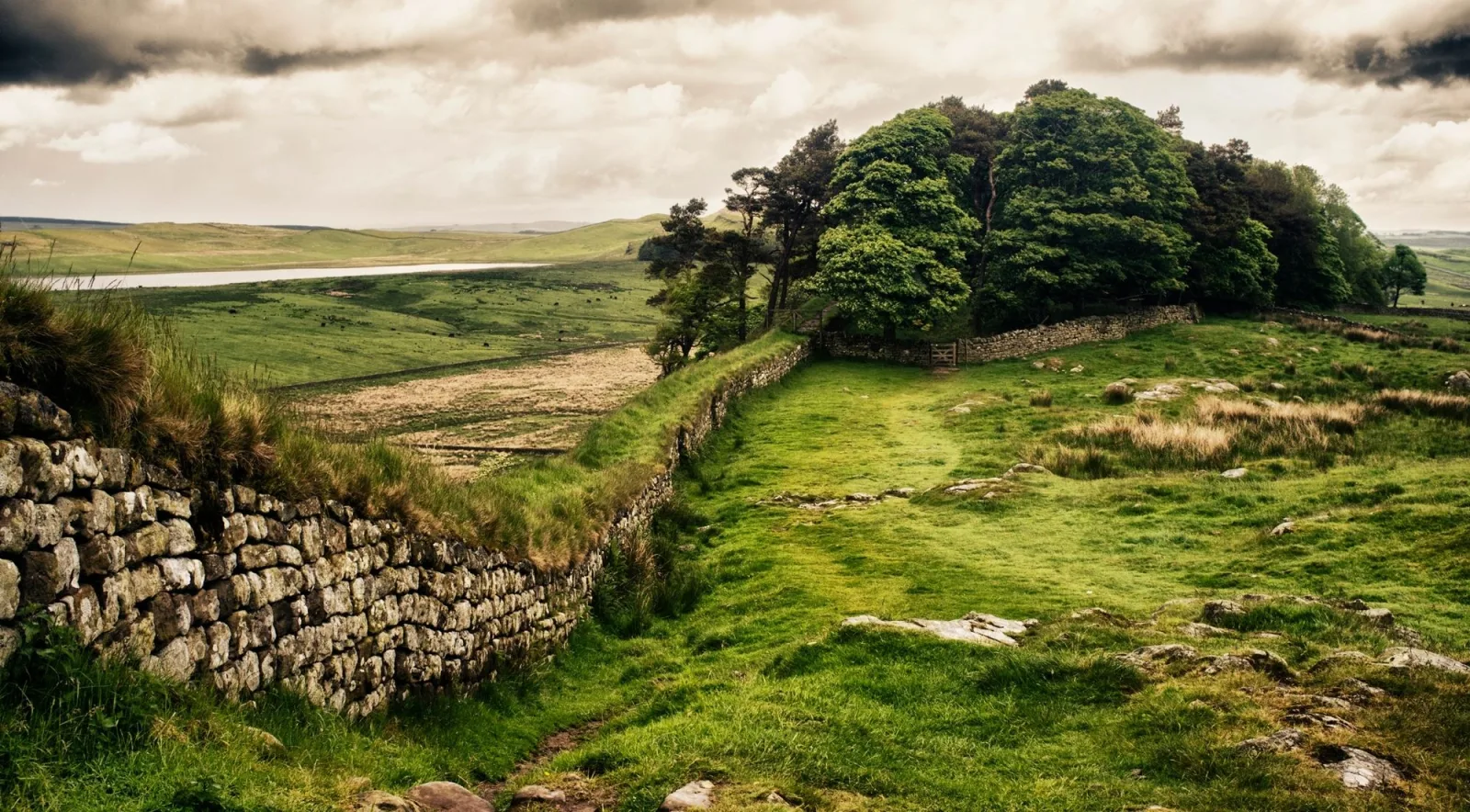
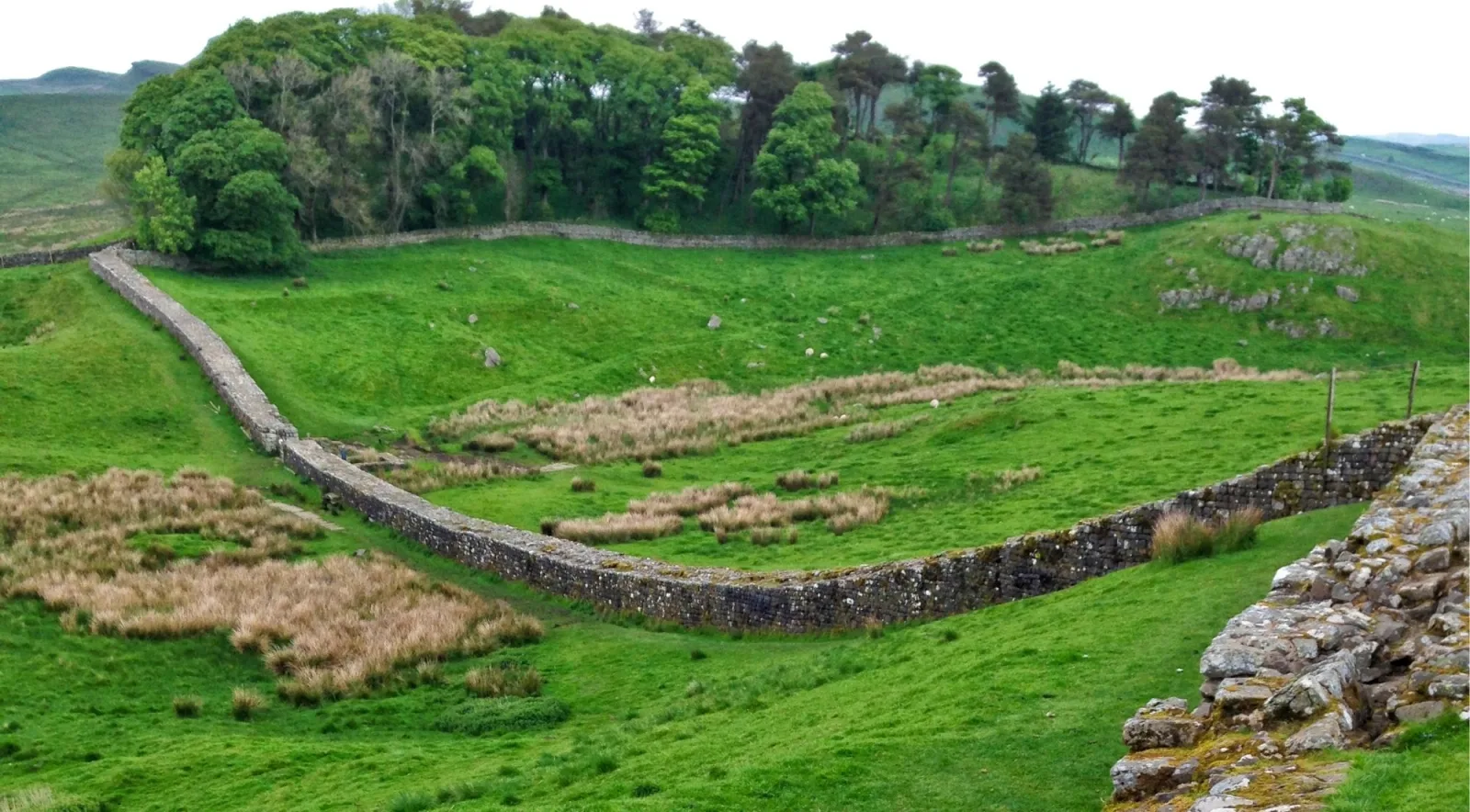
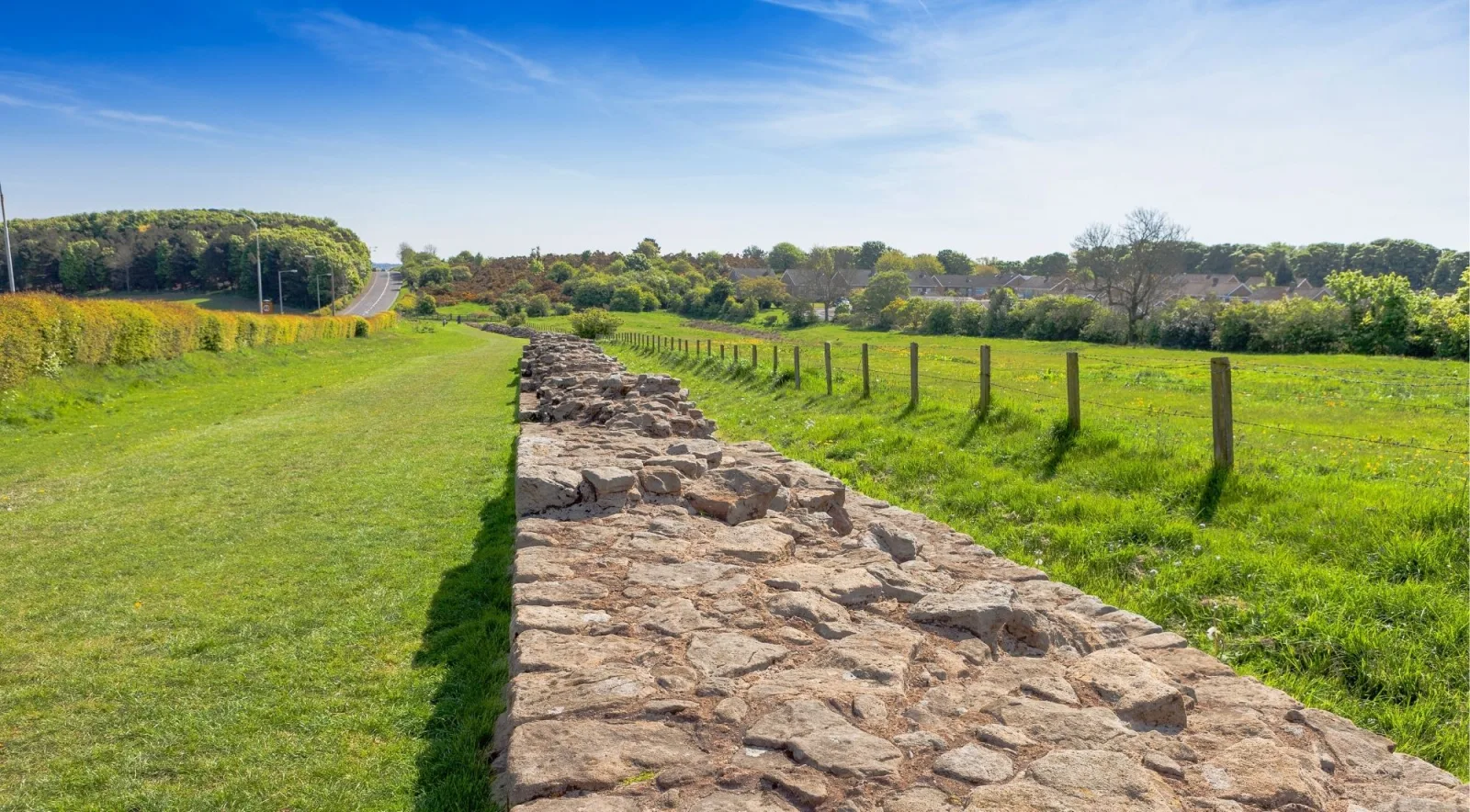
Hadrian’s Wall extends for 73 miles across northern England. The major forts and museums are not concentrated in one visitor complex, and the most photographed central sections lie in a rural landscape.
A vehicle tour can connect Newcastle or Carlisle with Housesteads, Vindolanda and a suitable Wall section without requiring you to study rail, bus and walking connections. It can also use one-way walks, collecting the group at a different point.
This transport value is greatest when:
- You do not want to hire a car
- You are unfamiliar with rural UK roads
- Your accommodation is in a city
- You have only one day
- Several people would otherwise need train, bus and taxi tickets
- You want to visit two independently operated attractions
Historical and archaeological interpretation
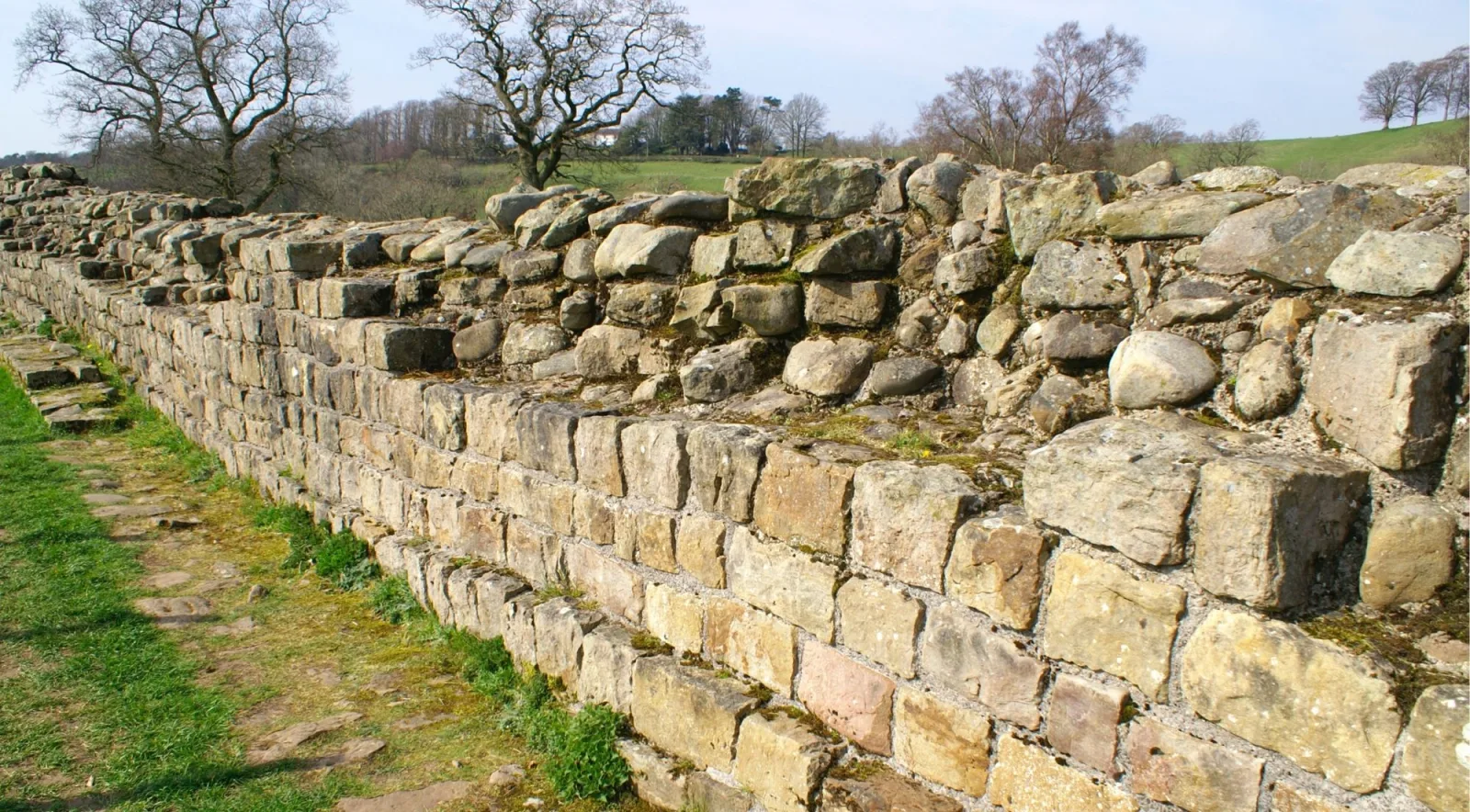
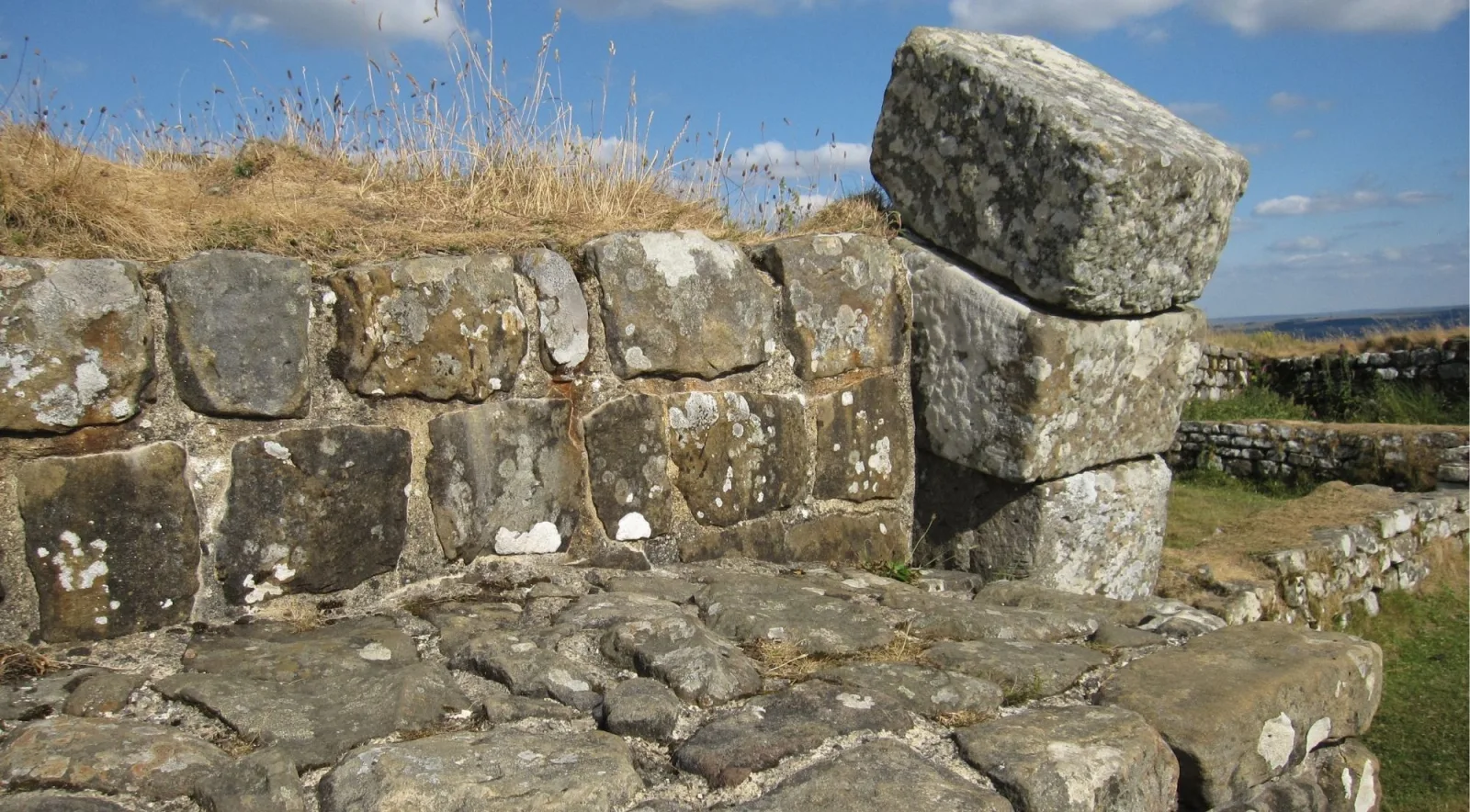
A Roman fort is not a standing castle. At many sites, visitors see low stone foundations, grass-covered earthworks and fragmentary structures. Without context, the headquarters building, barracks, granaries, hospital and commanding officer’s house can merge into one field of ruins.
A skilled guide can explain:
- How a fort was organised
- Why the Wall follows particular terrain
- The difference between the curtain wall, ditch and vallum
- How milecastles and turrets fitted into the frontier
- Which features are original, restored or reconstructed
- How artefacts connect with the people who used the buildings
- What archaeologists know and where interpretation remains uncertain
This is the main reason a tour can feel more valuable than simply adding transport.
Itinerary design
First-time visitors often try to see too much. Housesteads, Vindolanda, Chesters, Corbridge, Birdoswald and the Roman Army Museum all deserve time, but they do not fit comfortably into one normal day.
A competent operator chooses complementary stops. For example, Housesteads provides a fort directly on the Wall, a short central walk reveals the landscape and Vindolanda supplies artefacts and personal stories. The three parts create a complete introduction without crossing the entire frontier.
Time management
Driving, parking, buying admission, finding entrances and checking closing times consume more of the day than many independent plans allow. A guide who knows the area can reduce wasted time and adapt the order of visits.
This does not mean every fast-paced tour is good value. The itinerary should still allow enough time inside major attractions. Efficiency matters only when it creates more useful time, not more rushed stops.
Weather and route adaptation
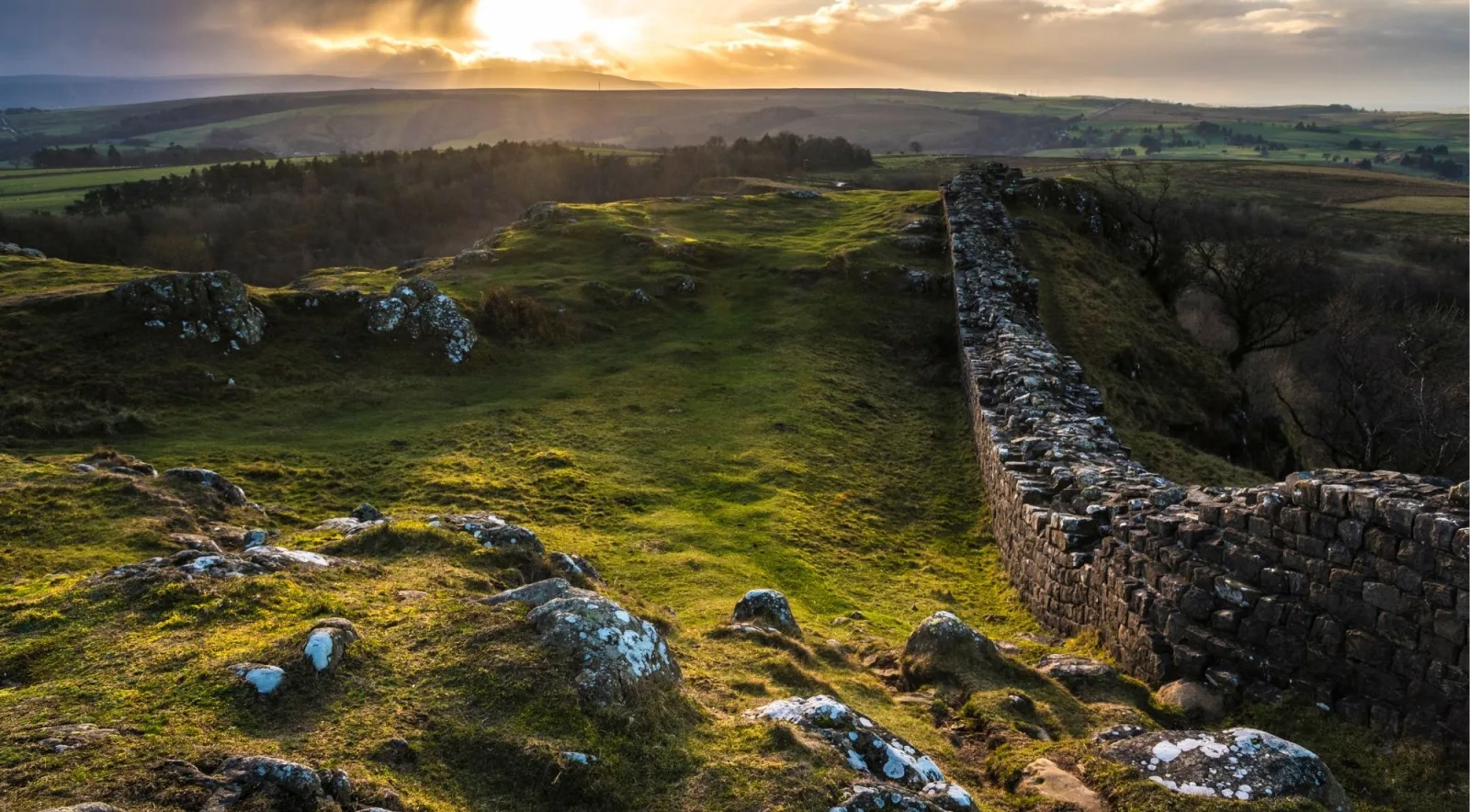
The central Wall is exposed. Wind, rain, mist and slippery ground can affect a planned walk even when conditions seemed acceptable in Newcastle or Carlisle.
A local guide can select a more sheltered route, shorten a walk or replace it with an indoor museum visit. Ask whether the operator makes such adjustments and whether the group will be consulted.
How much difference does a guide make at the main sites?
The benefit varies by location.
Housesteads Roman Fort
For an independent visit, compare the Housesteads Roman Fort entry ticket with a tour’s included admissions. Entry alone does not provide a private guide.
English Heritage describes Housesteads as Britain’s most complete Roman fort. Its position on the Whin Sill escarpment makes it one of the best places to understand how the Wall and landscape work together.
A guide adds particular value here by identifying the fort buildings and explaining the adjacent frontier features. The uphill approach and uneven terrain also make route planning important for some visitors.
Vindolanda
The Hexham full-day guided tour offers a choice of two Roman sites, including Vindolanda, Housesteads, Chesters and the Roman Army Museum. Confirm your choices before booking. It requires your own car or a taxi between sites, and its three-review sample is too small to establish consistent quality.
Vindolanda has extensive outdoor remains and a major museum collection. The writing tablets, footwear and other personal objects reveal frontier life in exceptional detail, while the site’s successive occupation layers can be difficult to place in sequence without explanation.
The Vindolanda Trust continues archaeological research and estimates that only 27% of the site has been excavated. A specialist guide can connect current discoveries with the buildings and objects on display.
However, independent visitors can also gain a great deal from the museum and site interpretation. If a tour allows only a short visit, travelling independently may be better for anyone who wants several unhurried hours here.
Chesters Roman Fort
The Chesters fort and museum entry ticket is an independent alternative when you want to explore the displays at your own pace.
Chesters is especially rewarding for its cavalry history, riverside bathhouse and museum. A guide can explain how mounted auxiliary troops differed from the forces at other forts and how bathing formed part of military and social life.
The site is often easier to understand independently than isolated earthworks, but interpretation still helps connect the various remains.
Corbridge Roman Town
Corbridge was a settlement supporting the frontier rather than a fort built directly on the Wall. Its roads, buildings, religious evidence and museum broaden the story beyond soldiers and defence.
Here, a guide’s value lies in explaining why a town away from the curtain wall belongs in a Hadrian’s Wall itinerary.
Open Wall sections and minor remains
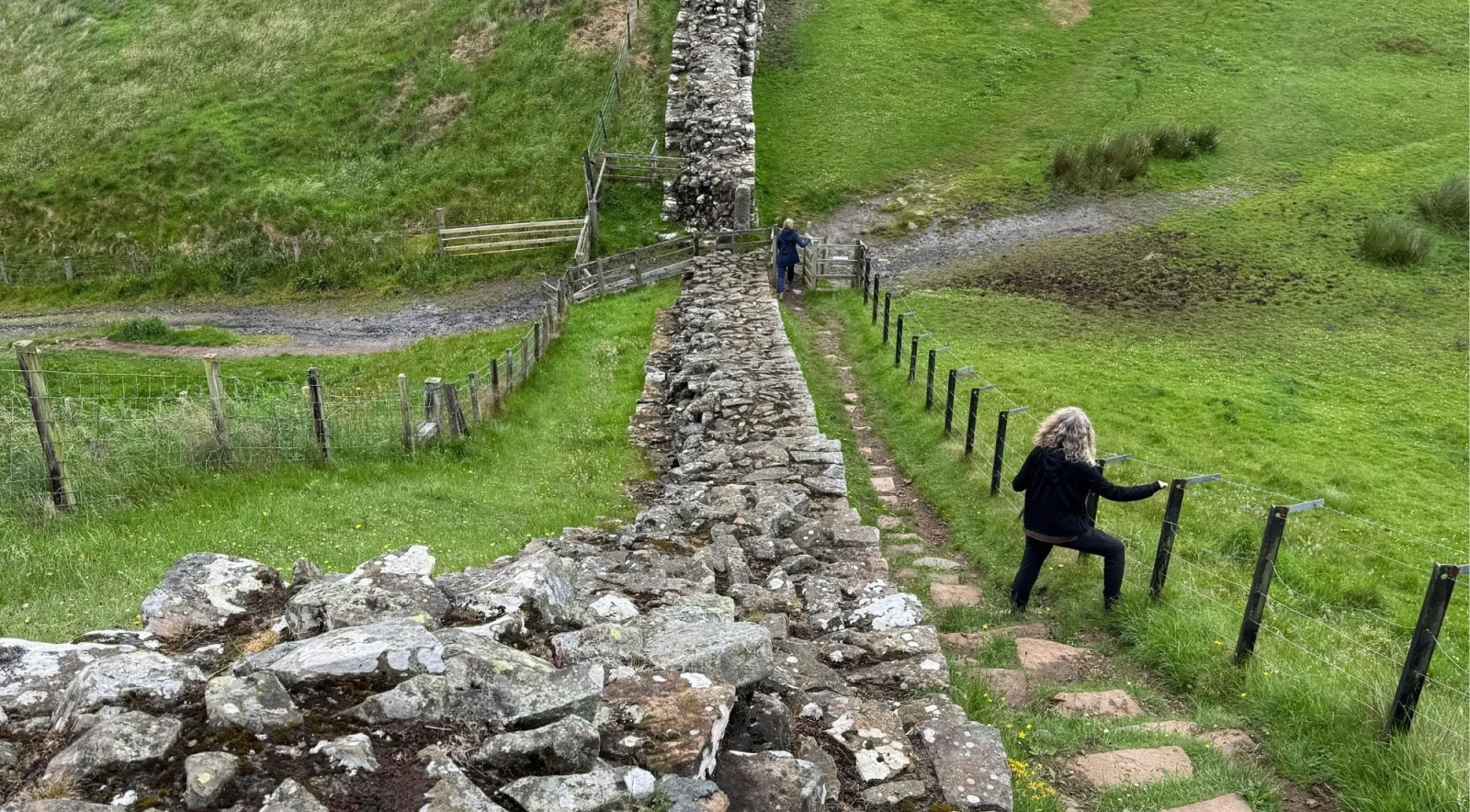
Guiding is most transformative at smaller milecastles, turrets, temples and landscape features. These sites may have limited interpretation, and a casual visitor can walk past important evidence without recognising it.
If your itinerary focuses on open countryside rather than staffed attractions, specialist guidance becomes more worthwhile.
Guided tour vs self-drive
For a format-by-format planning comparison, see guided vs self-guided Hadrian’s Wall tours. This section focuses on whether paying for a guide adds enough value to your own trip.
Self-driving offers freedom. You can start early, change plans, stay longer at a favourite museum and stop for photographs whenever parking and access allow.
It is usually the better choice when:
- You already have a car
- You are staying near the Wall for several days
- You want a slow visit to one or two attractions
- Someone in the group enjoys detailed route planning
- You prefer independent museum visits
- Your budget does not allow a private tour
The disadvantages are less obvious until the day begins. Rural roads can be unfamiliar, car parks are not always beside the ruins and a linear walk requires a return plan. The driver may also miss scenery while concentrating on narrow roads.
A guided vehicle tour is better when the group wants everyone to relax, asks many historical questions or needs an efficient day from a city base.
Guided tour vs public transport
Public transport can provide an enjoyable and lower-cost Hadrian’s Wall visit. Tyne Valley rail stations and Wall bus services make selected central attractions accessible when timetables align.
Independent public transport works best when:
- You focus on one major site
- You check the current timetable carefully
- You travel in a season with useful Wall bus connections
- You accept that connections will shape the day
- You have a backup plan for missed services
The challenge is combining several rural sites. A delayed train, full attraction visit or slow lunch may affect the next bus. The final walk from a stop can also be longer or steeper than expected.
A guided tour is worth the premium when certainty and simplicity matter more than minimising cost. It is especially useful for a first visit from Newcastle when you want both Housesteads and Vindolanda in the same day.
Small-group or private: which provides better value?
Small-group tours
Small-group tours normally charge per person and follow a scheduled route. They are usually the best-value guided option for solo travellers and couples.
On a vehicle-based small-group tour, you gain transport and interpretation without paying for the whole vehicle. Guided walking tours may require you to reach the meeting point independently. The compromises are fixed timings, a pace designed for the group and less control over the balance between walking and museums.
Check the maximum group size. “Small group” can mean different things, and the experience in a compact minibus is not the same as a large coach excursion.
Private tours
Private tours are often priced per vehicle or party. They can look expensive until the total is divided among a family or group of friends.
The additional value may include:
- Door-to-door pickup
- Flexible start and finish times
- A route matched to mobility
- More time at one preferred attraction
- Child-friendly breaks
- Specialist archaeological discussion
- Space for luggage or walking equipment
- Easier photography stops
A private tour is worth paying more for when flexibility solves a genuine need. If two adults simply want the standard highlights and can reach a central meeting point, a small-group departure may offer better value.
See our private vs small-group Hadrian’s Wall tours comparison.
Is a tour worth it from Newcastle?
One pickup option is the Hadrian’s Wall and Corbridge private day tour, whose listing covers Tyne and Wear, Northumberland and County Durham. Confirm your address and admissions. It visits Housesteads, Vindolanda and Corbridge village; the Roman Town is not a confirmed inclusion. The listing has only one review and excludes wheelchair users, so it is not a general mobility recommendation.
Usually, yes—particularly without a car. Newcastle is a practical base for the central and eastern Wall, but Housesteads and Vindolanda are still rural attractions requiring onward travel.
A full-day guided tour can collect visitors in or near the city, connect the main sites and return without the risk of missing the last bus. It also allows the guide to introduce Roman Newcastle and the Tyne Valley during the journey.
Independent travel remains reasonable if you are content with one main attraction or are comfortable building the day around public transport. Read our guide to Hadrian’s Wall tours from Newcastle.
Is a tour worth it from Carlisle?
For a self-drive alternative, check Birdoswald’s official admission and opening information and the Vindolanda Trust’s Roman Army Museum information. Neither admission by itself arranges travel from Carlisle.
Carlisle is well placed for Birdoswald, the Roman Army Museum and western Wall sections. A guided tour is valuable when you want to connect these places without driving or when the guide offers a specialist western-frontier itinerary.
Self-drive can be straightforward for visitors already staying in Cumbria. Compare the route carefully: a tour that travels far east and back may devote too much of the day to the vehicle. See our guide to Hadrian’s Wall tours from Carlisle.
Is a tour worth it from Edinburgh?
The Edinburgh Roman Britain small-group day tour is a transport-included example. Its listing includes Vindolanda and Roman Army Museum admission, with Housesteads substituted when Vindolanda is closed. Do not book it expecting guaranteed visits to both Housesteads and Vindolanda.
An organised tour can be particularly worthwhile from Edinburgh because the return journey is long and the driver handles unfamiliar roads. The main risk is insufficient time at Hadrian’s Wall.
Some excursions combine the Wall with border attractions, castles or villages. That may be appealing, but it reduces the Roman content. If Hadrian’s Wall is the priority, look for a focused itinerary with at least one proper fort visit and enough time outside the vehicle.
A private tour provides greater control but costs more. Our Hadrian’s Wall tour from Edinburgh guide explains what to check.
When a guided tour may not be worth it
You want an entire day at Vindolanda
Enthusiasts may prefer to explore the excavations and museum without a fixed departure time. A multi-stop tour can feel restrictive.
You are walking the National Trail independently
Experienced walkers who have arranged accommodation, luggage and navigation may not need continuous guiding. A one-day specialist walk could still add historical depth to the most important section.
You have several days and a car
With time to revisit places and change plans, the organisational advantages of a tour are smaller. Consider paying only for a specialist guide at one site or for one archaeology-focused day.
Your main aim is photography
A fixed group itinerary may not wait for light or allow repeated stops. A private tour designed for photography is a better fit than a standard sightseeing departure.
The itinerary is vague
A tour is poor value if it lists many places but does not state which are admissions, viewpoints or drive-by stops. A premium price does not compensate for unclear content.
How to tell whether a tour offers good value
Do not judge by price alone. Compare the complete experience.
Ask:
- How many hours are spent at Hadrian’s Wall rather than travelling?
- Which attractions include admission?
- Does the guide accompany the group inside the sites?
- How long is allocated to Housesteads or Vindolanda?
- What does the “Wall walk” involve?
- Is the guide a Roman specialist or a general driver-guide?
- What is the maximum group size?
- Are pickup, parking and fuel included?
- Is lunch included or simply scheduled?
- How is the route adapted in bad weather?
- Can mobility needs be accommodated?
- What is the cancellation policy?
An expensive private tour can be good value when it replaces taxis, car hire and complicated planning. A cheaper coach tour can be poor value when most of the day is spent collecting passengers or visiting unrelated attractions.
What should a good first-time tour include?
For most visitors, the strongest combination is:
- Housesteads Roman Fort
- A short central-Wall walk or viewpoint
- Vindolanda Fort and Museum
- Comfortable transport from Newcastle or local accommodation
- Historical interpretation throughout the day
- Enough flexibility for weather and group ability
This route combines the Wall itself, a major fort, dramatic landscape and objects connected with daily life. Read our guide to the best Hadrian’s Wall tour for first-time visitors.
Travellers with limited mobility may prefer Chesters and Corbridge with an accessible Wall viewpoint. Visitors starting in Carlisle may get more value from Birdoswald and the Roman Army Museum than from a long journey to the eastern sector.
Costs: what is the tour premium buying?
To compare fairly, calculate the independent cost of:
- Car hire or fuel
- Parking
- Train and bus fares
- Taxis for missing connections
- Attraction admission
- Guidebooks or audio guides
- The time required to research the route
Then compare those expenses with the tour’s included transport, guiding and tickets. A private tour will still cost more in most cases, but the difference may be smaller for a larger party.
Avoid buying a multi-site pass or combined admission purely because it appears economical. It only saves money if the itinerary leaves enough time to use it. See our Hadrian’s Wall tickets and costs guide.
Common drawbacks of guided tours
A balanced decision should include the disadvantages:
- Less freedom to stay longer at a favourite site
- A schedule affected by other passengers
- Commentary that may be too basic or too detailed
- Higher cost than a simple independent visit
- Limited time for photography
- Fixed meal and toilet stops
- Possible itinerary changes due to closures or weather
- Long pickup routes on some coach trips
These drawbacks are most significant on large, general sightseeing tours. Reading recent reviews for comments about pacing, guide quality and time at each attraction is more useful than looking only at the overall rating.
Frequently asked questions
Do you need a tour guide for Hadrian’s Wall?
No. Many forts, museums and walking routes can be visited independently. A guide is most useful when you want to connect several sites, understand subtle archaeological features or avoid planning rural transport.
Are Hadrian’s Wall tours expensive?
Prices vary by group size, duration, pickup point and inclusions. Small-group tours usually cost less per person, while private trips cost more but may be competitive for families or groups. Check whether admission is included.
Is a half-day guided tour worth it?
Yes, if it focuses on one fort and a nearby section of Wall. It is poor value when the operator tries to cover several distant attractions in a few hours. See our half-day vs full-day tour comparison.
Is a full-day tour too long?
Not for most visitors. Travel between a city base, rural sites and visitor facilities takes time. A good full-day itinerary varies the experience between a fort, museum, outdoor Wall section and breaks.
Is a guide useful if I already know Roman history?
Yes, when the guide has genuine specialist or local expertise. Ask about qualifications and focus before booking. A general overview may disappoint an experienced enthusiast.
Can I visit independently without a car?
Yes. Train and bus combinations serve selected areas, but seasonal timetables and rural connections limit flexibility. Focus on one or two compatible stops and check the final return service.
Are guided tours suitable for children?
They can be, especially when the guide uses objects, stories and short activities. Private tours offer the easiest pacing. For group tours, check the minimum age, child-seat policy and amount of driving.
What happens in bad weather?
Tours normally continue in ordinary rain, but the walking route may change. Ask whether the operator can substitute a museum, shorten the exposed section or provide a lower-risk alternative.
Final verdict
A Hadrian’s Wall guided tour is worth it when it provides transport, interpretation and a better-planned day. These benefits are strongest for first-time visitors, travellers without a car, groups with specific mobility needs and anyone trying to see Housesteads, the central Wall and Vindolanda in one day.
It is less essential when you have a car, several days and the confidence to research each site independently. In that situation, the best value may be a single specialist guided walk or archaeology session rather than a full vehicle tour.
Choose the itinerary before choosing the price. A focused tour with two meaningful visits will usually deliver more value than a cheaper excursion with many rushed stops—and more understanding than an expensive tour whose description is vague.