Hadrian’s Wall walking tours at a glance
On a small screen, scroll the table sideways to see all four columns.
| Tour type | Best for | Typical commitment | Main advantage |
|---|---|---|---|
| Short guided walk | First-time visitors and day trippers | Around 2–4 hours | Expert context without a long hike |
| Full-day guided hike | Active visitors with limited time | One full day | Scenery, history and logistics combined |
| Multi-day guided tour | Travellers wanting support and company | Usually about a week | Guide, group and arranged accommodation |
| Self-guided walking holiday | Independent walkers | Commonly 5–9 days | Freedom with accommodation and luggage organised |
| Fully independent walk | Experienced planners | Flexible | Maximum control and potentially lower cost |
How long is the Hadrian’s Wall walk?
Hadrian’s Wall itself ran for approximately 73 modern miles across northern England. The Hadrian’s Wall Path National Trail covers about 84 miles, or 135 kilometres, between Wallsend near Newcastle and Bowness-on-Solway in Cumbria.
The walking trail is longer than the Roman Wall because it follows accessible rights of way and continues through landscapes where little visible masonry survives. It passes through urban areas, farmland, river valleys, rugged central ridges and the low-lying Solway coast.
Allow roughly six to eight walking days for the full route, the planning range given by Northumberland National Park. Faster itineraries are available, but they require long daily distances and leave less time for forts, museums and archaeological sites. Slower trips may use eight or more days, providing shorter stages and more time to explore.
Do you need to walk the full trail?
No. The complete coast-to-coast route is rewarding, but it is not automatically the best choice for every visitor.
A shorter tour may be better if:
- You care most about the best-preserved central Wall
- You want to combine walking with Roman museums
- You have only one or two free days
- Daily distances of more than ten miles do not appeal
- You prefer to avoid urban approaches and flatter western stages
- You are visiting as part of a wider England or Scotland trip
Many “Best of Hadrian’s Wall” holidays concentrate on the central section between places such as Corbridge, Chollerford, Housesteads, Once Brewed, Walltown and Carlisle. These itineraries preserve the strongest combination of scenery and Roman remains while reducing the overall distance.
Guided vs self-guided Hadrian’s Wall tours
The key choice is not simply whether you can read a map. It is how much organisation, historical interpretation and social contact you want during the journey.
Guided walking tours
A guided tour normally places you in a small group led by a walking guide. Multi-day versions may include accommodation, some meals, transport arrangements and baggage transfers.
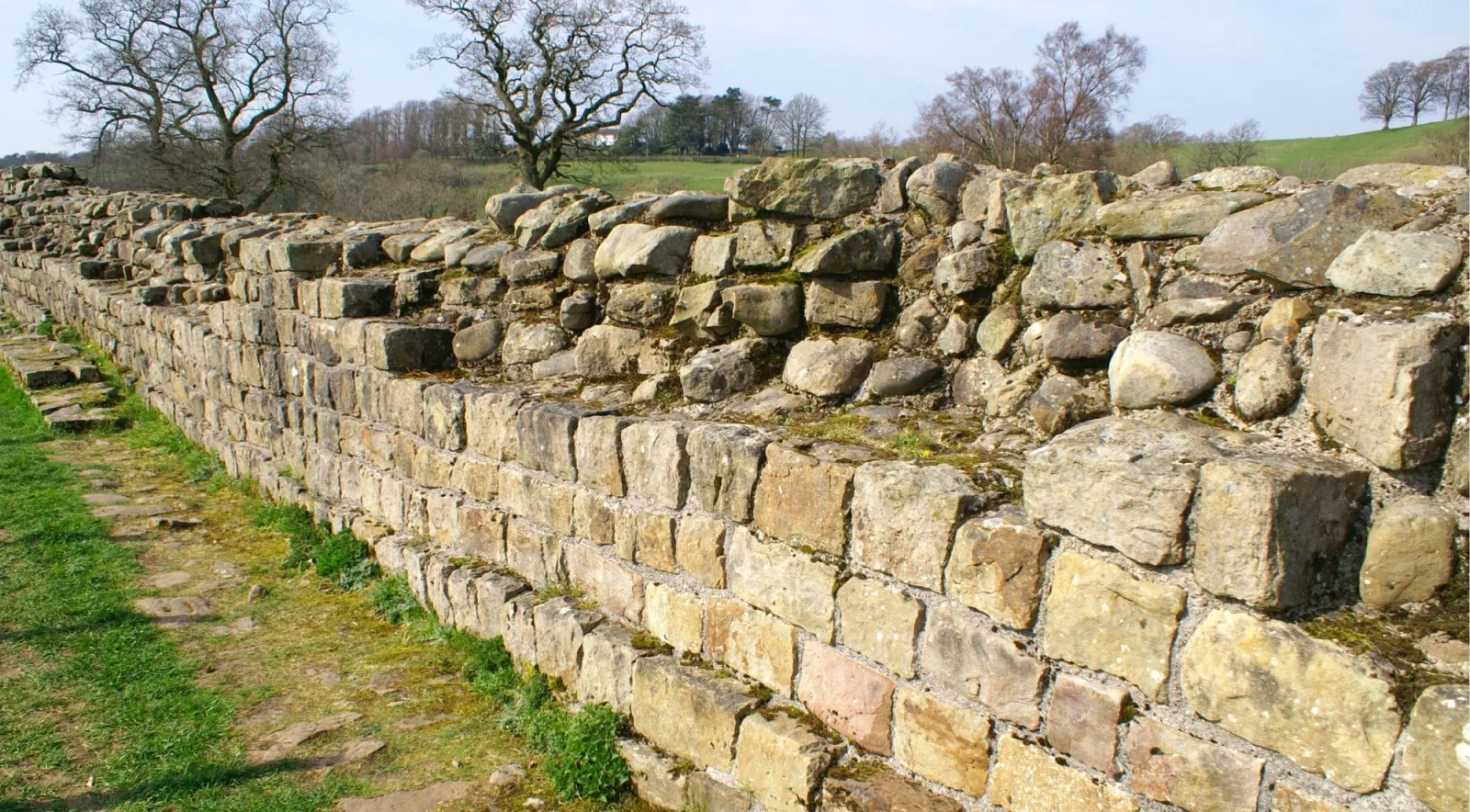
The guide manages the route and explains features that are easy to overlook: changes in the Wall’s construction, the position of milecastles and turrets, the purpose of the Vallum and the relationship between forts and civilian settlements.
Guided tours are best for travellers who:
- Want Roman history explained throughout the walk
- Prefer not to navigate alone
- Enjoy meeting other walkers
- Value support when weather or trail conditions change
- Want transport and accommodation coordinated
- Feel more confident hiking with a group
The disadvantages are a fixed pace, set departure dates and less personal freedom. You may need to keep walking when you would rather stop for photographs, or leave a museum before you have finished exploring.
A concrete example is HF Holidays’ complete guided trail, a seven-night coast-to-coast walking holiday. Its Best of Hadrian’s Wall trip focuses on selected sections and sightseeing. Check the current walking grade and departures directly with the operator.
Self-guided walking holidays
A self-guided package provides the organisation of a tour without a guide accompanying you each day. The operator usually books accommodation and supplies route information. Many packages also transfer your main luggage between overnight stops.
You carry only a day pack and follow the trail at your own pace. Support is generally available by phone if travel or accommodation problems arise.
Self-guided tours suit travellers who:
- Are comfortable following a well-marked trail
- Want flexibility during the walking day
- Prefer travelling alone or with their own companions
- Want accommodation arranged in advance
- Do not want to carry a full backpack
- Value independence more than daily commentary
The phrase “self-guided” does not mean completely unsupported. However, inclusions differ, so check whether transfers, maps, digital navigation, emergency assistance and breakfast are provided.
Contours’ Hadrian’s Wall walking holidays offer full-route and shorter options. Compare actual walking days and included support, then use our multi-day walking guide for the planning differences.
Fully independent walking
Experienced hikers can arrange the entire journey themselves. This may reduce the package cost and gives complete control over accommodation, rest days and daily distances.
You will need to coordinate:
- Accommodation at suitable stage points
- Luggage or backpack arrangements
- Travel to and from the trailheads
- Maps and navigation
- Museum and fort opening times
- Food and water between settlements
- Alternative plans for injury or severe weather
Independent planning can be satisfying, but popular accommodation near the central Wall is limited. Booking late may force awkward daily distances or expensive transfers.
Short guided walks and one-day tours
You can experience the Wall on foot without committing to a walking holiday.
Two- to four-hour guided walks
Short guided tours usually concentrate on one fort, milecastle or preserved section. They are ideal for visitors who want the landscape explained but have limited time.
Check the meeting point carefully. A tour described as “from Newcastle” may still require you to travel independently to a rural location near the Wall.
The two-hour Cawfields guided walk meets at Cawfields Quarry car park near Haltwhistle and includes a guide. The half-day walk with Vindolanda adds admission to that site, but you must arrange your own vehicle or taxi for the transfer. These are separate bookings from a holiday with accommodation.
Full-day guided hikes
A full-day tour can combine several miles of walking with transport from Newcastle, Hexham, Carlisle or nearby accommodation. Some itineraries include a museum or fort; others remain outdoors for most of the day.
Ask whether attraction admission is included and how much time is spent walking rather than travelling. A full day can range from a moderate sightseeing walk to a demanding hike with repeated climbs.
For example, the seven-hour Cawfields walk and museum tour includes two admissions from its named museum selection, with transport between sites excluded. Its retrieved listing had three reviews, too small a sample for strong quality comparisons.
Walking as part of a sightseeing tour
Many general Hadrian’s Wall day trips include a short walk near Steel Rigg, Housesteads or Cawfields. This is the easiest choice for travellers who want a sample of the landscape alongside forts and museums.
It should not be confused with a dedicated walking tour. The time on foot may be less than an hour and can change because of weather or delays.
The Edinburgh Roman Britain departure is a sightseeing option with a short Wall walk. Match the meeting point to your base before comparing it with a walk that begins at Cawfields.
Other short walks in the site’s inventory
The site also records a scenic four-mile guided walk and a Roman fort and short guided walk on Viator. The saved 12 September 2026 inventory describes The Sill as the meeting point for the four-mile walk and includes local bus tickets; the shorter option lists fort entry. These listings could not be refreshed on 15 September, so check the current route, inclusions and dates before choosing either. They are day experiences, not walking-holiday packages.
Best sections of Hadrian’s Wall for walking
Housesteads to Steel Rigg
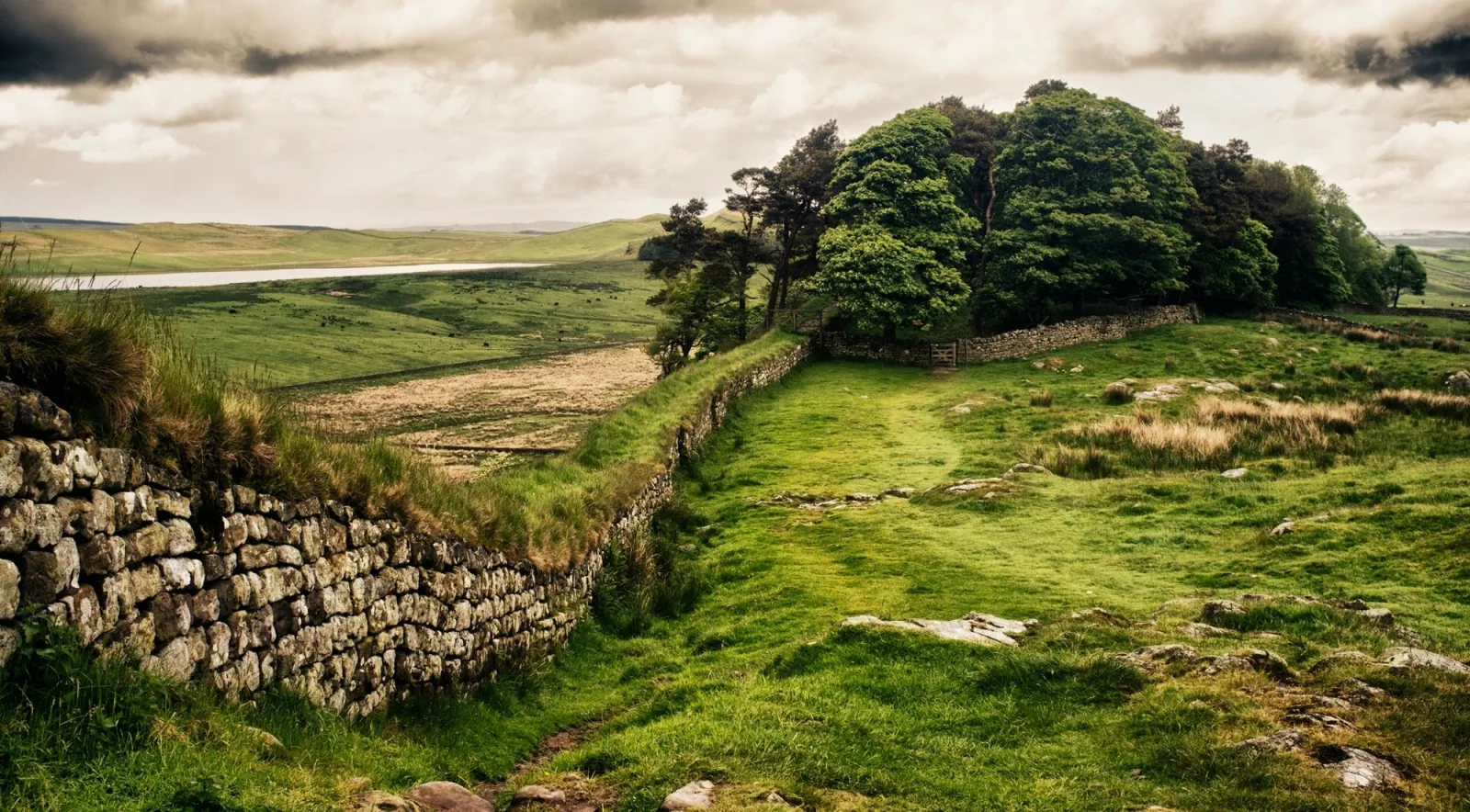
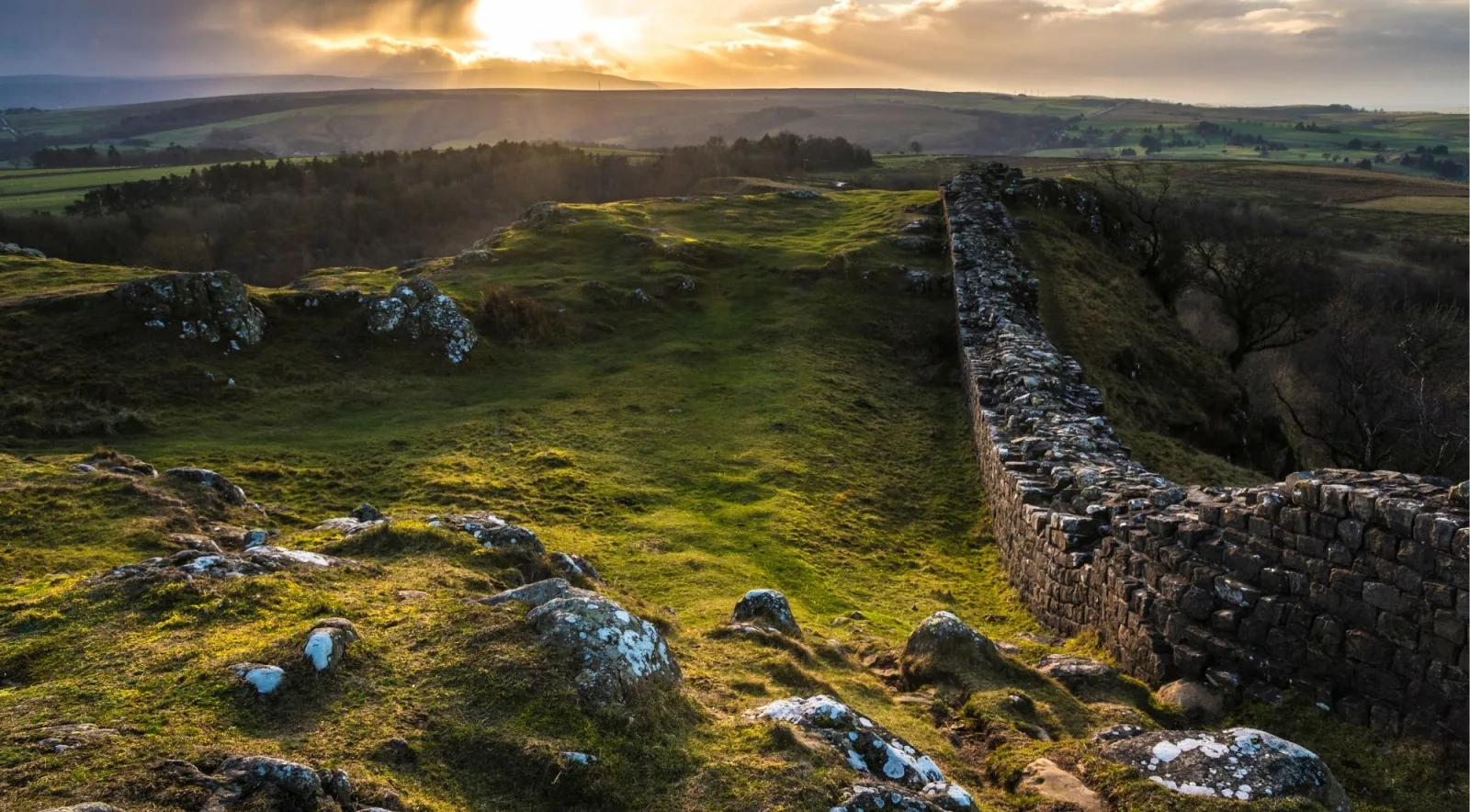
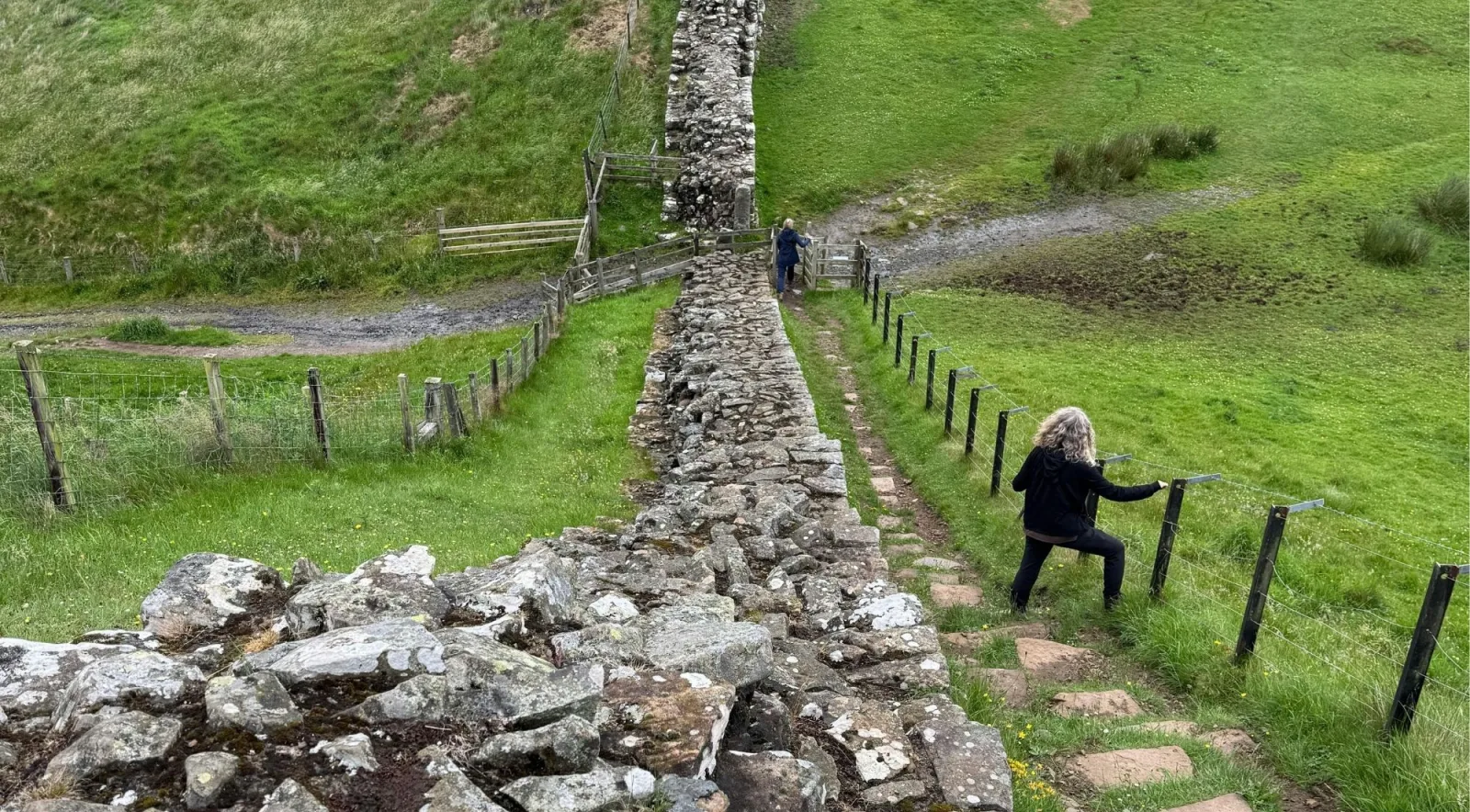
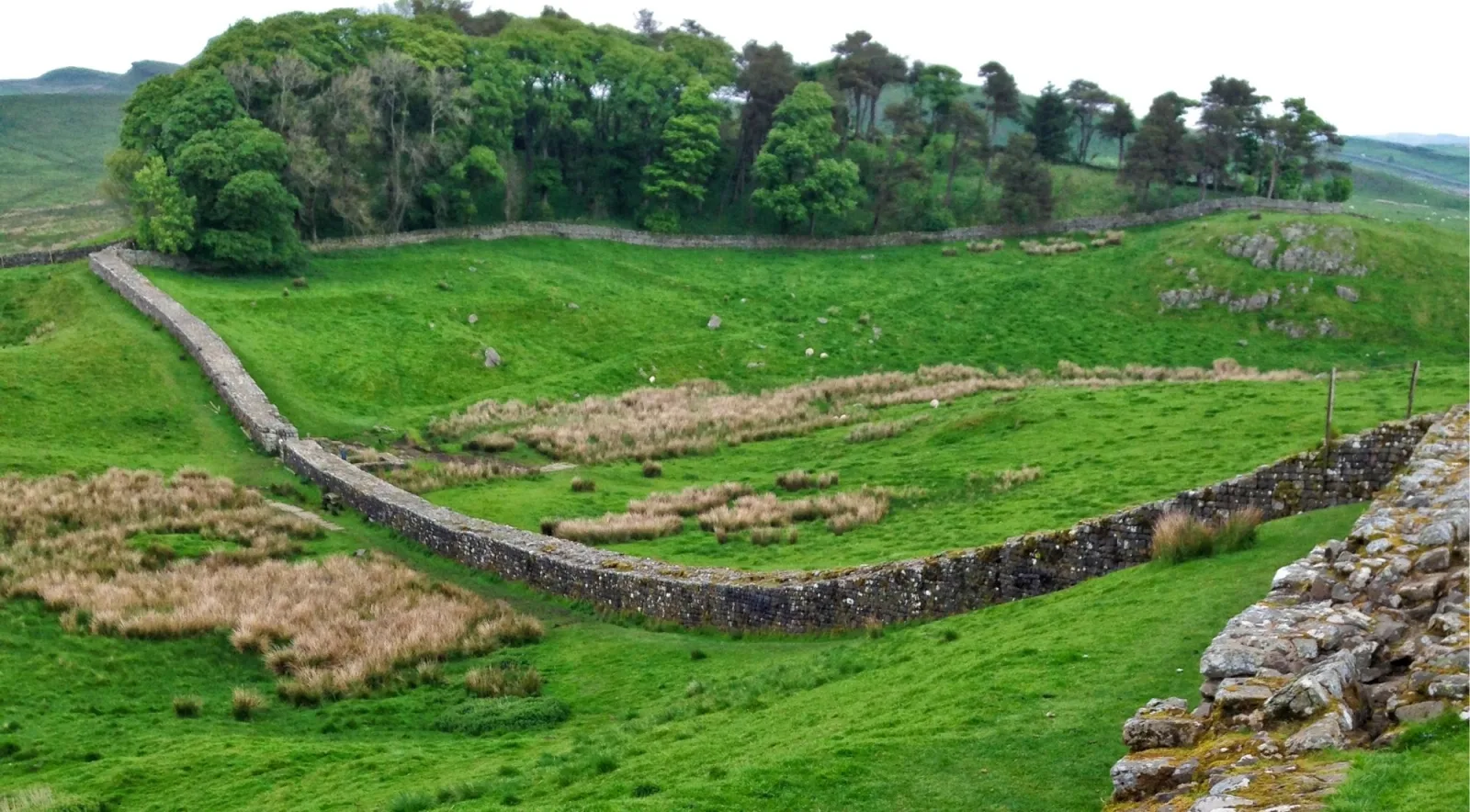
This central section delivers the classic Hadrian’s Wall scenery. The route follows the Whin Sill escarpment through a sequence of steep rises and descents, with extensive views across Northumberland.
Highlights include Housesteads Roman Fort, milecastles, Crag Lough and the surrounding ridges. It is visually impressive but more strenuous than its modest distance might suggest.
If you enter the paid fort during your walk, compare Housesteads admission. For the route itself, use the National Trust’s Housesteads–Steel Rigg walk; its circular itinerary is longer than simply walking between the two points.
Steel Rigg to Walltown
Continuing west from Steel Rigg brings more dramatic terrain, exposed ridges and strong views. The landscape gradually changes towards Cawfields and Walltown.
This is a rewarding choice for confident walkers, but conditions can be slippery and tiring after rain. Build in more time than you would for the same distance on a flat path.
Chesters to Housesteads
The trail east of Housesteads combines river-valley scenery, farmland and important Roman sites. Chesters Roman Fort and the Mithraeum at Carrawburgh can add archaeological interest.
Chesters admission is separate from using the trail. Check English Heritage’s Carrawburgh information for the temple stop; a Chesters ticket does not book a guided visit to Carrawburgh.
The Wall is less continuously dramatic than on the central crags, but the route provides valuable context and can form part of a longer multi-day itinerary.
Wallsend to the Tyne Valley
The eastern approach begins at Segedunum Roman Fort in Wallsend and passes through or near urban areas before reaching more rural landscapes.
This section matters to coast-to-coast walkers because it shows how the Roman frontier meets the modern city. Visitors seeking only wild scenery may prefer to start farther west.
Carlisle to Bowness-on-Solway
The western end is flatter and quieter, following the River Eden and Solway landscape. Less standing Wall is visible, but the open scenery and sense of completing a coast-to-coast journey can be deeply satisfying.
This stage is exposed to weather and contains long stretches with fewer visitor facilities. Plan food, water and transport carefully.
East to west or west to east?
Both directions are valid, and each creates a different journey.
East to west: Wallsend to Bowness-on-Solway
East-to-west is the direction used by many guidebooks and itineraries. It begins with the Roman and industrial landscape around Newcastle, builds towards the dramatic central crags and finishes on the Solway coast.
Advantages include:
- A clear historical starting point at Segedunum
- Easy transport access in Newcastle
- A landscape that becomes progressively more rural
- Following the most commonly described route direction
The principal disadvantage is that prevailing winds may sometimes be in your face.
West to east: Bowness-on-Solway to Wallsend
West-to-east walkers often choose this direction in the hope of having the prevailing wind behind them. The journey begins quietly on the Solway and finishes with an urban arrival at Wallsend and Newcastle.
Advantages include:
- A better chance of a following wind
- Finishing near Newcastle’s transport, hotels and restaurants
- Reaching the central crags after the flatter western stages
Wind direction is never guaranteed. Transport to the western trailhead may also require more planning at the beginning of the trip.
How many walking days should you choose?
| Walking days | Typical experience | Best suited to |
|---|---|---|
| 4–5 days | Long daily distances or a highlights-only route | Strong walkers with limited time |
| 6 days | A brisk full-route itinerary | Fit, experienced walkers |
| 7 days | Balanced coast-to-coast pace | Most regular long-distance walkers |
| 8–9 days | Shorter stages and more sightseeing time | Leisurely walkers and archaeology enthusiasts |
Package duration can be misleading because arrival and departure days may not be walking days. A “seven-day tour” might include five days of hiking and six nights of accommodation. Read the day-by-day itinerary rather than relying on the product name.
Daily mileage also tells only part of the story. Ten miles across the central crags can feel harder than a longer distance on the flatter western trail.
How difficult is the Hadrian’s Wall Path?
Northumberland National Park grades the trail moderate to strenuous. Difficulty varies sharply between sections; a moderate overall label can understate the repeated central climbs.
The central area contains:
- Repeated short, steep climbs and descents
- Stone and rock underfoot
- Mud after rain
- Exposed ridges
- Steps, stiles and uneven grass
Eastern and western stages are generally flatter but may involve long distances on firm tracks, roads or riverside paths. Fatigue can accumulate over consecutive days even when no single stage seems extreme.
You do not need mountaineering skills, but you should be comfortable walking for several hours on varied ground. Train by completing consecutive day walks rather than relying only on short gym sessions.
What is included in a walking-holiday package?
Self-guided and guided packages commonly include some combination of:
- Pre-booked accommodation
- Breakfast
- Route notes, maps or a navigation app
- Daily luggage transfers
- Transfer to accommodation located away from the path
- Telephone support
- Planning information for arrival and departure
Guided packages may additionally include:
- A walking guide
- Group transfers
- Some lunches or evening meals
- Scheduled museum visits
- Attraction admissions
Frequently excluded costs are:
- Travel to the starting point
- Travel home from the finish
- Lunches and dinners
- Fort and museum admission
- Travel insurance
- Unscheduled taxis
- Extra luggage
- Single-room supplements
Compare packages by inclusions rather than headline price. A lower-cost holiday may become more expensive after adding luggage transfers, breakfasts and local transport.
Are luggage transfers worth it?
For most multi-day walkers, yes. Daily baggage transfer allows you to walk with water, waterproofs, food and other essentials in a light day pack while your main bag is taken to the next accommodation.
This reduces fatigue and makes the central climbs more enjoyable. It is particularly useful for travellers who want comfortable accommodation rather than carrying camping equipment.
Check:
- Maximum bag weight
- Number of bags included per person
- Collection and delivery times
- Whether every accommodation accepts transfers
- What happens if you change the itinerary
- Whether transfer costs are included or added separately
Your day pack should still contain everything needed to remain safe if your main luggage is delayed.
Accommodation along the route
Walkers typically stay in guesthouses, inns, small hotels and bed-and-breakfast properties. Some accommodation is directly on the trail, while other places require a short transfer.
The central Wall is rural and has limited capacity. Booking early is particularly important for:
- Peak summer dates
- Single rooms
- Dog-friendly accommodation
- Larger groups
- Walkers needing accessible rooms
- Short itineraries with very specific stage points
Ask whether dinner must be reserved. In small villages, the only nearby pub or restaurant may stop serving before a late-arriving walker expects.
Best time for a walking tour
Late spring to early autumn offers useful daylight for the long stages. Northumberland National Park encourages walking between April and October for conservation reasons, although the path is open year-round. Book accommodation against your intended stages; do not assume a particular month guarantees rooms or dry ground.
Spring can be fresh and attractive, while early autumn often provides quieter paths. Rain, wind and mud are possible throughout the walking season.
Winter walking is less suitable for a first coast-to-coast attempt. Short daylight, saturated ground, ice and reduced services can make the journey harder and increase erosion on the protected landscape.
Check live trail conditions, attraction hours and transport schedules before departure.
The 122 Hadrian’s Wall Country Bus, formerly AD122, runs year-round with stated holiday exceptions. It can help connect some short walks, but each bus stop, walking approach and return time needs checking.
What to pack
Essential equipment includes:
- Well-fitting walking boots or trail shoes
- Waterproof jacket and trousers
- Warm layers
- Comfortable walking socks
- Small day pack
- Water bottle
- Food and emergency snacks
- Paper map or guidebook
- Charged phone and backup power
- Basic first-aid and blister supplies
- Sun protection
- Hat and gloves outside the warmest months
Walking poles can help on steep or slippery descents, but practise using them before the trip. Do not depend solely on a phone for navigation, especially when battery life or reception is uncertain.
Walking responsibly
Hadrian’s Wall is both an archaeological monument and a living rural landscape.
Protect it by:
- Following the signed trail beside the Wall and avoiding climbing onto historic masonry
- Following signed paths
- Closing gates
- Keeping dogs under effective control
- Giving livestock space
- Carrying litter away
- Avoiding damaged or waterlogged ground where directed
- Using toilets and established facilities
Responsible walking preserves the route and reduces conflict with the farms and communities through which it passes.
Which tour is right for you?
Choose a short guided walk if you want expert interpretation without committing a full day.
Choose a full-day guided hike if you want the best central scenery and have limited holiday time.
Choose a multi-day guided tour if you value historical explanation, social company and logistical support.
Choose a self-guided package if you want independence but prefer accommodation and luggage transfers to be organised.
Choose a fully independent walk if you are an experienced planner, want complete flexibility and are comfortable solving transport or accommodation problems yourself.
Frequently asked questions
How many days do you need to walk Hadrian’s Wall?
Allow roughly six to eight walking days for the complete trail, adjusting the stages to your fitness. Add arrival and departure days, rest time or museum visits when planning the total holiday.
Can beginners walk Hadrian’s Wall?
Yes, with preparation and a sensible itinerary. Beginners should choose shorter daily stages, use luggage transfers and allow extra time for the central crags.
Is the trail clearly marked?
Hadrian’s Wall Path is a designated National Trail and is waymarked. Walkers should still carry a map or reliable route information in case signs are missed or conditions reduce visibility.
Can you walk Hadrian’s Wall in one day?
You can walk a selected section in one day, but not the complete 84-mile National Trail at a normal recreational pace.
Which direction is easier?
West to east may provide more favourable prevailing winds, while east to west is the direction used by many traditional itineraries. Fitness, daily stages and weather matter more than direction alone.
Are guided walking tours worth it?
They are especially valuable if Roman history is central to your trip or you are not confident navigating unfamiliar countryside. A self-guided package may offer better value if you prefer independence.
Can someone transfer my bags?
Yes. Many holiday packages include daily luggage transfer, and specialist baggage services can also be booked independently.
Can I visit Roman forts while walking?
Yes, but allow enough time and check opening hours. Housesteads and Chesters have separate admissions. Vindolanda and the Roman Army Museum can also add several hours; allow for any detour or transfer from the trail.
Final verdict
Hadrian’s Wall walking tours offer far more variety than a single coast-to-coast challenge. You can join a short historical walk, spend a full day on the central ridges or follow the complete National Trail with your accommodation and bags organised in advance.
For most walkers, a self-guided package of six to eight walking days offers the best balance of freedom and support. Choose a guided tour if expert Roman interpretation and group company matter more than setting your own pace. If time is limited, focus on the central section rather than rushing the entire route.
Whichever format you choose, compare daily distances, terrain and actual inclusions—not just the number of days or headline price. The right itinerary leaves enough energy to explore the forts, enjoy the views and appreciate the Wall as both a Roman monument and a living landscape.
Compare the short guided walk calendar if you have a few hours. For a holiday, compare the specialist operators linked above by daily mileage, accommodation, baggage transfers and guide support.
Sources and travel updates
Checked 15 September 2026. Booking terms, route conditions and attraction hours can change; confirm details for your date.