Roman Britain tours at a glance
| Tour or route | Best for | Typical focus | Main limitation |
|---|---|---|---|
| Housesteads and Vindolanda | First-time visitors | Wall, fort, landscape, artefacts and daily life | Requires a full day for a worthwhile visit |
| Chesters and Corbridge | Social and military history | Cavalry, bathhouse, roads, trade and settlement | Less of the dramatic upland Wall scenery |
| Birdoswald and Roman Army Museum | Western frontier | Wall construction, military organisation and western landscape | Longer transfer from Newcastle |
| Segedunum and Arbeia | Visitors based in Newcastle | Eastern terminus, urban frontier and supply | Does not include the famous central crags |
| Specialist private tour | Archaeology enthusiasts | Custom selection with detailed interpretation | Higher total price |
| Small-group day tour | Solo travellers and couples | Main highlights with shared transport | Fixed schedule and limited flexibility |
| Guided walking tour | Active travellers | Archaeology in its landscape setting | Weather and terrain affect the experience |
| Two-day Roman frontier tour | Travellers seeking depth | Central Wall plus eastern or western sites | Requires an overnight stay or two long days |
Why Hadrian’s Wall is central to a Roman Britain tour
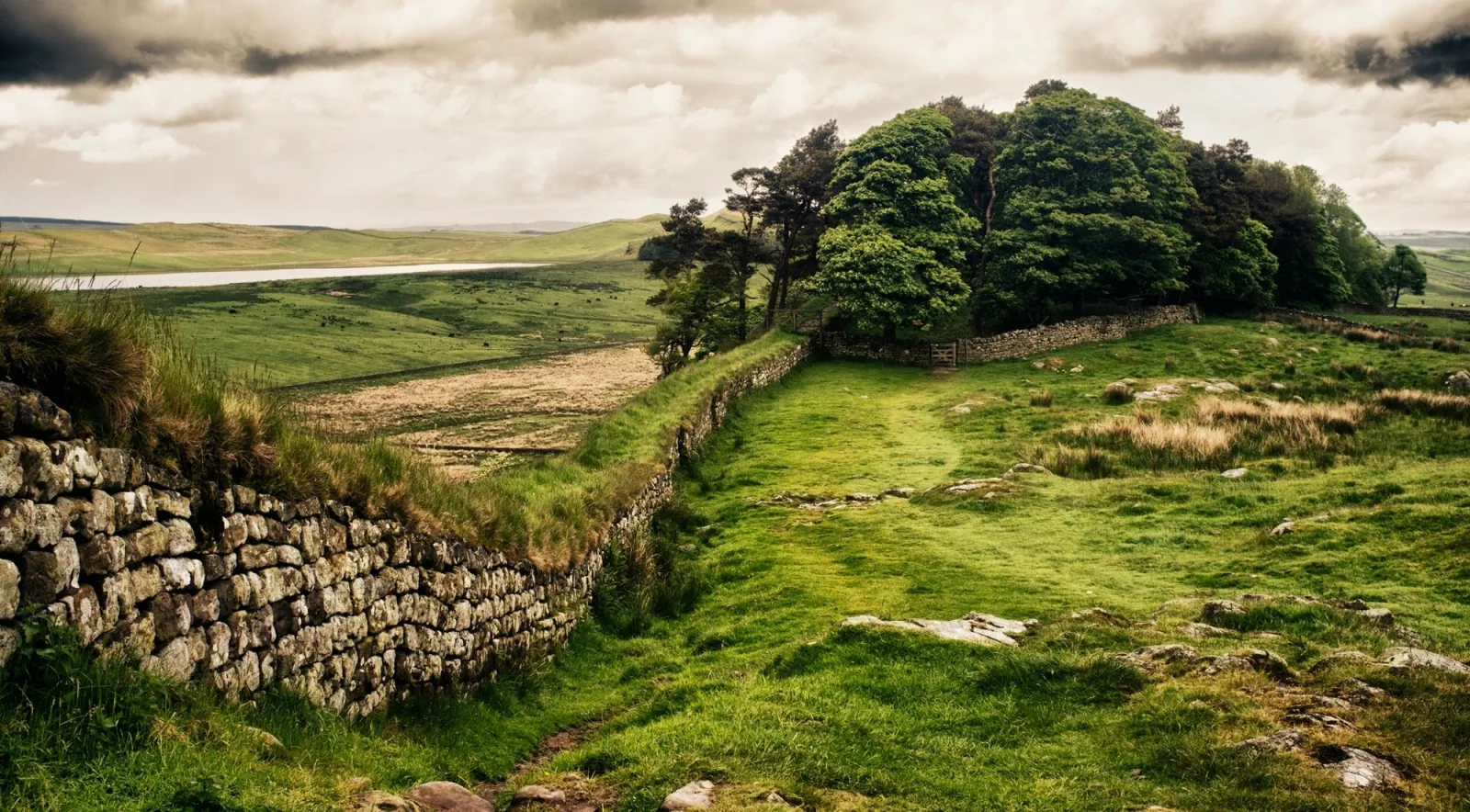
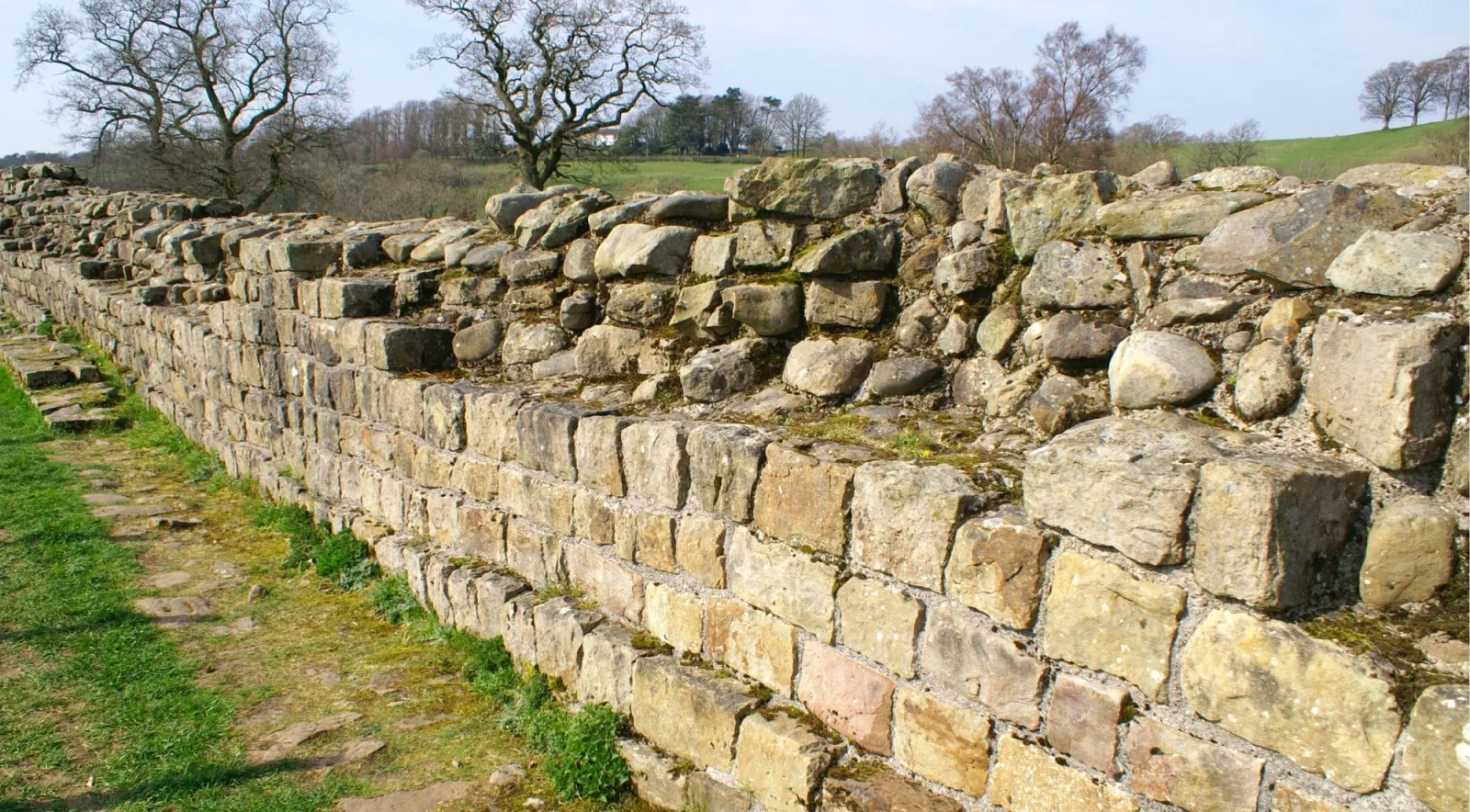
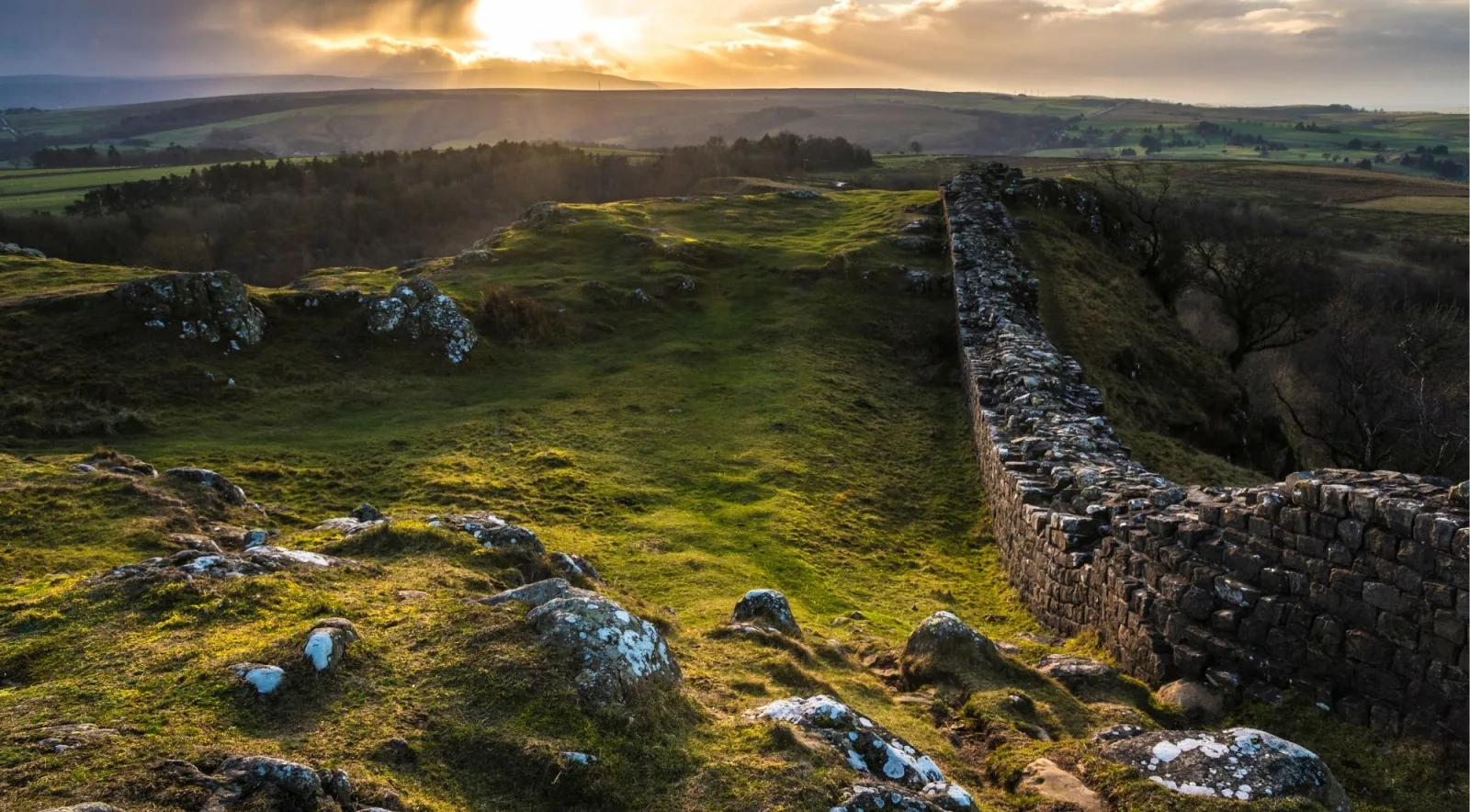
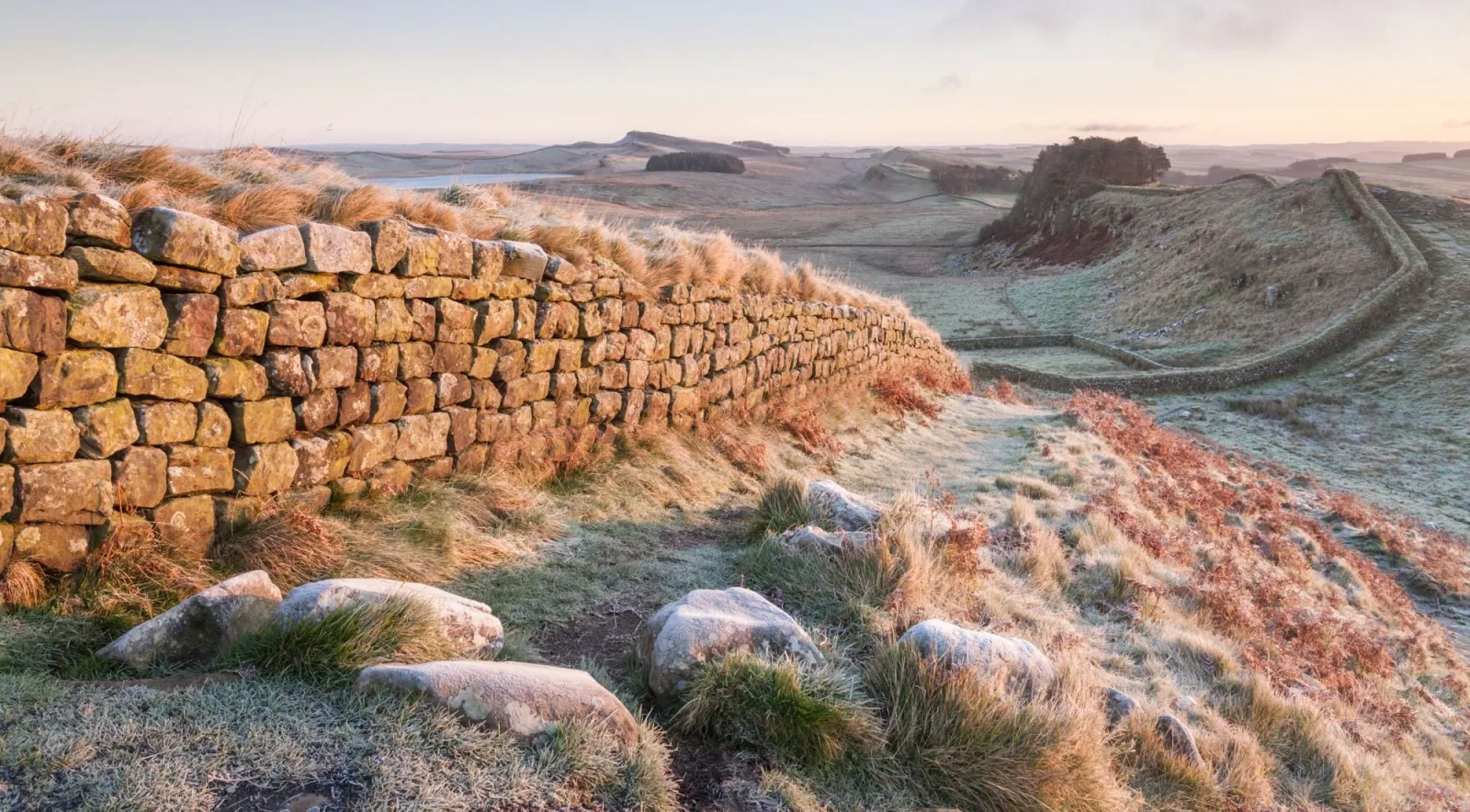
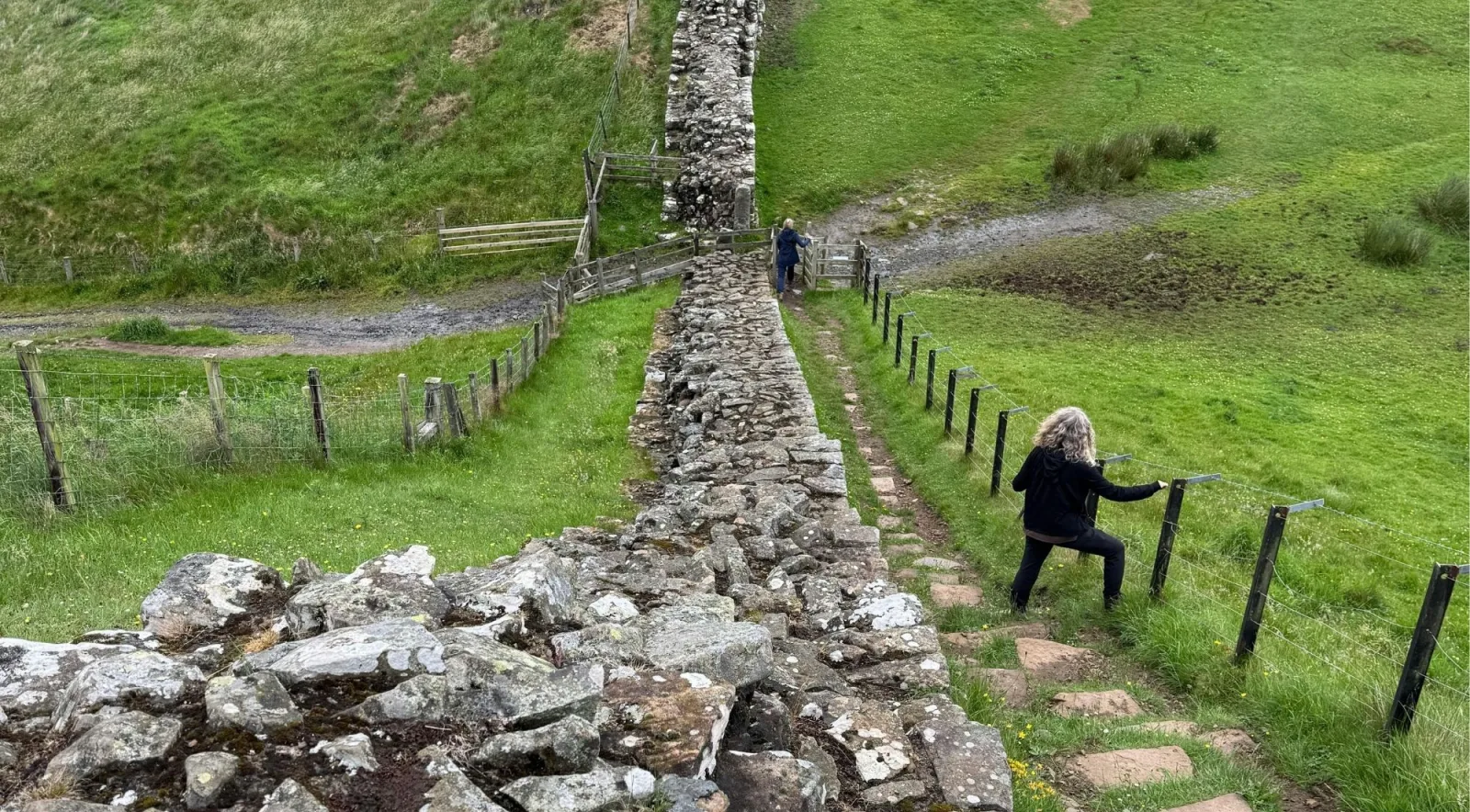
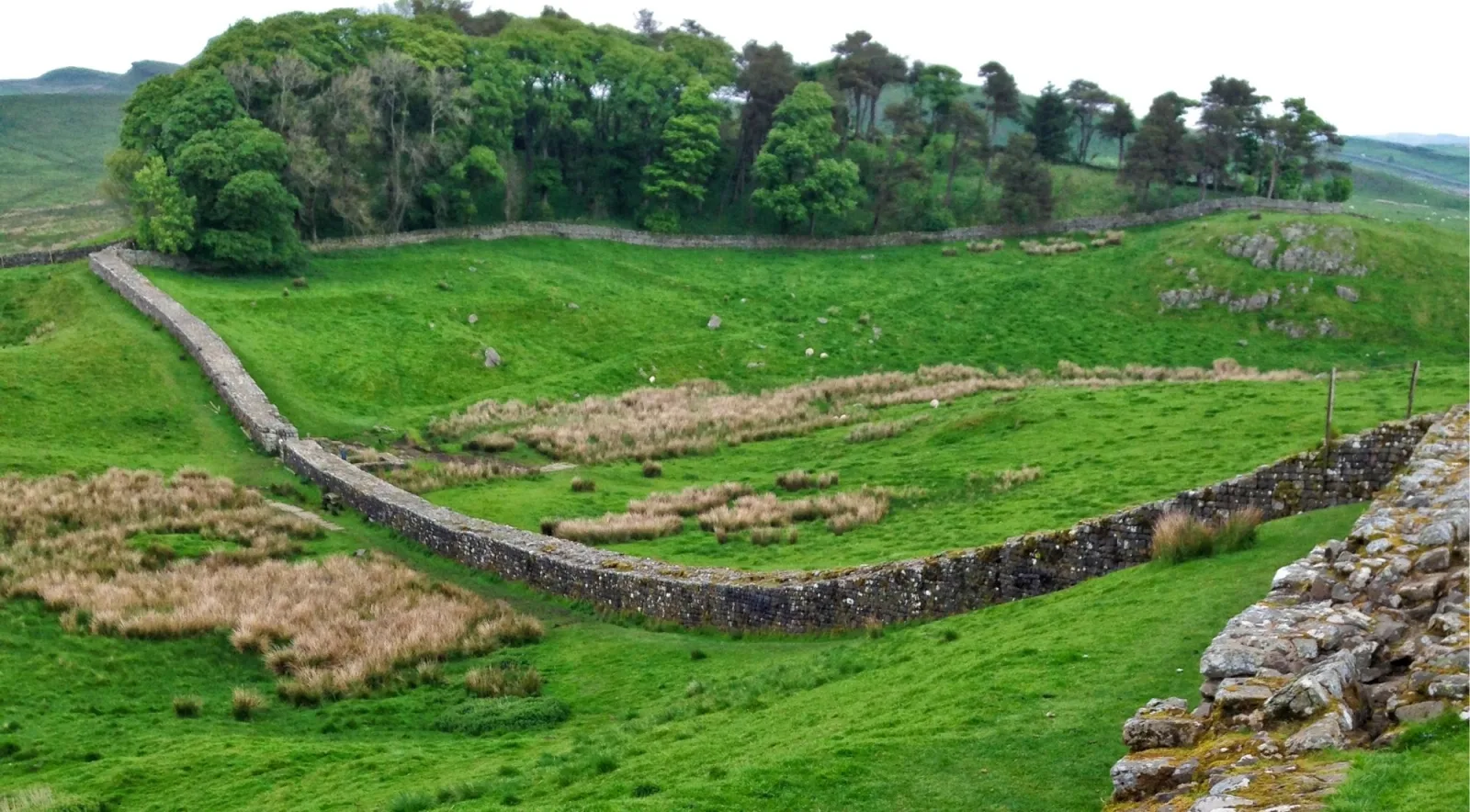
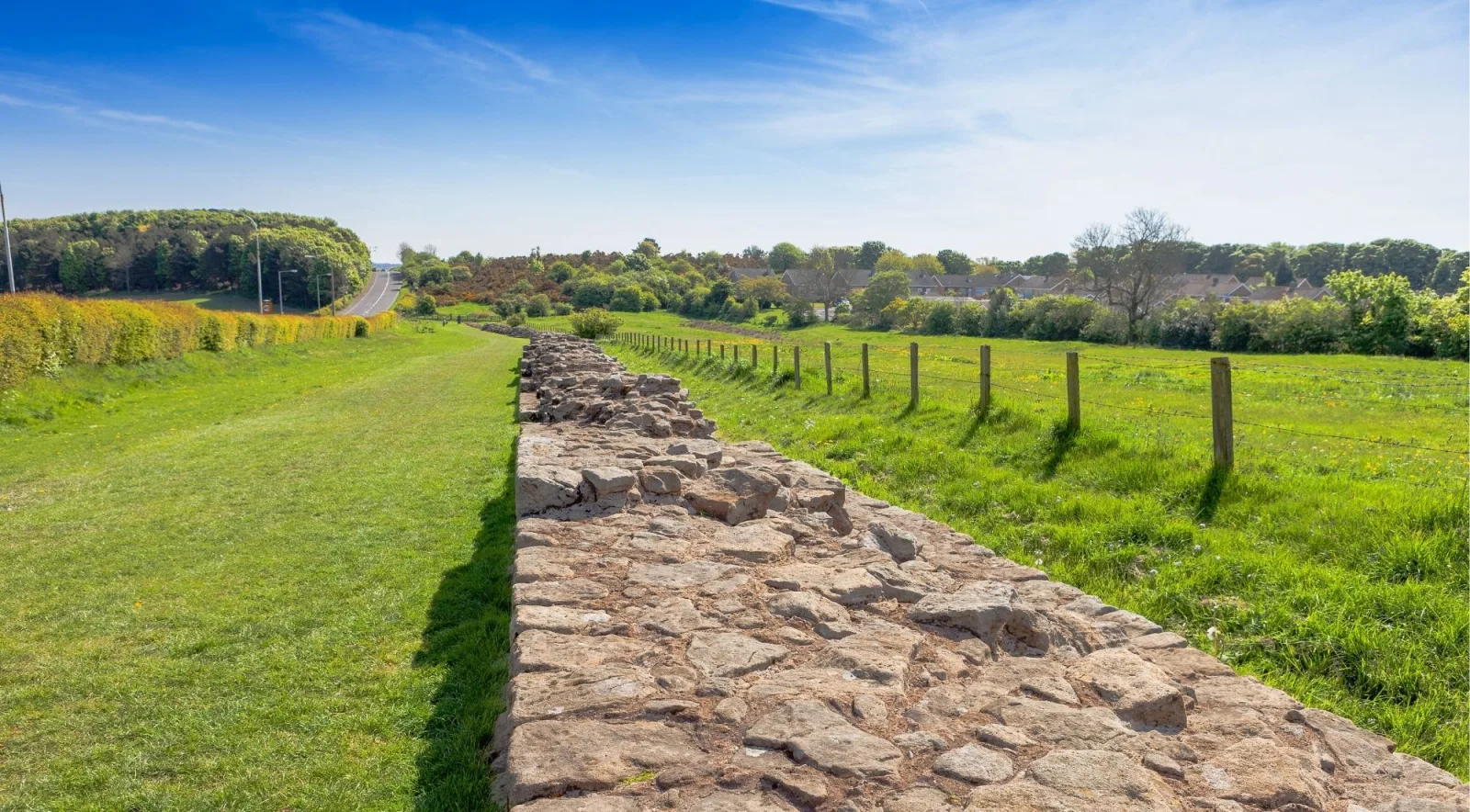
Hadrian’s Wall was ordered by Emperor Hadrian in AD 122 and ran across the north of Roman Britain from the Tyne to the Solway. Its archaeological value extends far beyond the curtain wall itself. The frontier system incorporated forts, smaller fortlets, milecastles, turrets, roads and settlements, as well as movement and supply routes reaching beyond the Wall.
Today, Hadrian’s Wall forms part of the transnational Frontiers of the Roman Empire World Heritage Site. UNESCO describes it as a continuous linear barrier at the northern limits of the province of Britannia and highlights the central sector’s especially visible military remains.
For a visitor, this means the strongest tour is rarely a string of photo stops. The Wall becomes more meaningful when you see how the different parts worked together:
- A fort such as Housesteads explains the permanent military presence.
- A milecastle or turret shows how the frontier line was observed and controlled.
- Vindolanda reveals the lives of soldiers, families and civilians through buildings and personal objects.
- Corbridge demonstrates how goods, worship and civilian activity supported the frontier.
- A museum supplies the inscriptions, tools, weapons and everyday possessions that bare foundations cannot show on their own.
A knowledgeable guide can connect these layers while keeping the day focused on what survives at each location.
What counts as a Roman Britain tour?
The term covers several different products. Before booking, check whether the itinerary is genuinely archaeology-led or simply uses Hadrian’s Wall as one stop on a broader scenic excursion.
Roman archaeology tour
An archaeology-led tour concentrates on the remains, excavations and material evidence. The guide should explain how archaeologists identify building phases, interpret earthworks and use inscriptions or artefacts to understand the people stationed on the frontier.
This format suits travellers who want more than a general account of emperors and battles. It can also work for beginners when the guide explains technical details clearly.
Hadrian’s Wall highlights tour
A highlights tour normally combines one major fort, a scenic section of Wall and perhaps a museum or nearby archaeological site. It provides the best balance for a first visit, particularly when time is limited.
The strongest example is usually Housesteads, Vindolanda and a short walk or viewpoint in the central sector. Trying to add too many entrances may leave little time to understand any of them.
Roman forts tour
A forts-focused itinerary compares military sites such as Housesteads, Chesters and Birdoswald. Because the forts differ in setting, layout and surviving features, the day can reveal how the Roman army adapted to different parts of the frontier.
This is better for repeat visitors or dedicated enthusiasts than for someone who also wants Vindolanda’s extensive museum collection.
Roman Britain walking tour
For a shorter local experience, the two-hour Cawfields guided walk focuses on the frontier landscape. It is a different route from a Steel Rigg or Housesteads hike; confirm the meeting point and terrain.
A walking tour uses the landscape as evidence. The guide may point out the line of the Wall, ditch, vallum, milecastles, turrets and the relationship between military sites and natural terrain.
It is not necessary to walk the entire National Trail. A well-chosen half-day route can combine a dramatic central section with close examination of frontier structures.
Multi-day Roman Britain itinerary
A two- or three-day tour can compare the central, eastern and western sectors without rushing. It may also include the Antonine Wall or another relevant Roman site, but a Hadrian’s Wall specialist itinerary should not be diluted by distant attractions that add driving without improving the frontier story.
Best Roman sites to include
No single day can cover every worthwhile Roman site. Choose places that answer different questions rather than visiting several similar ruins in rapid succession.
1. Housesteads Roman Fort: best for the classic frontier setting
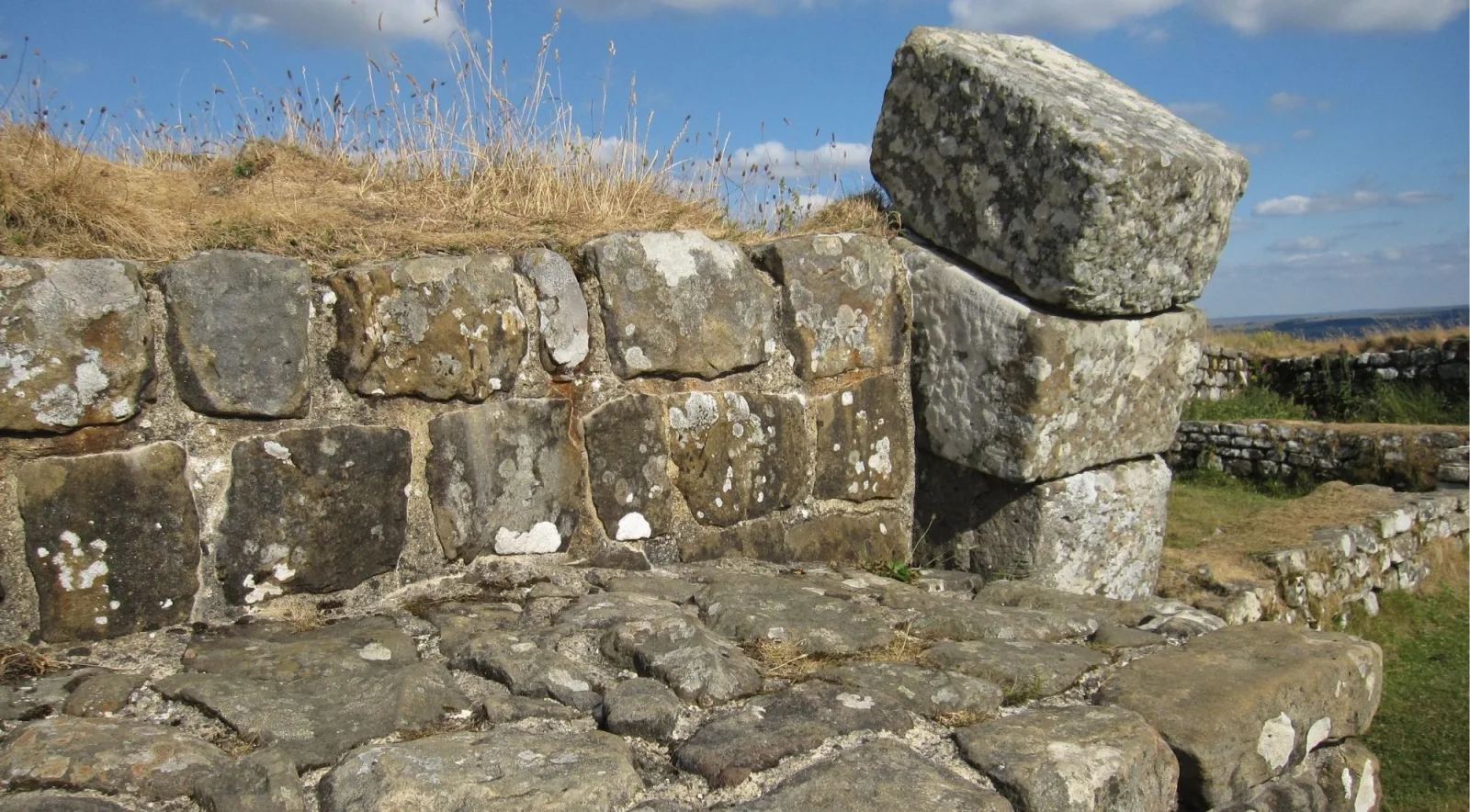
Housesteads is the clearest first choice for visitors who want a substantial fort directly on the Wall. English Heritage describes it as Britain’s most complete Roman fort, and its position on the central escarpment makes the relationship between archaeology and terrain particularly easy to appreciate.
Within the fort, visitors can identify the headquarters building, commanding officer’s house, hospital, barracks and granaries. The latrines are among the features most guides use to make the organisation of a Roman garrison understandable.
Housesteads is best for:
- A first Roman Britain tour
- Military architecture
- Central Wall scenery
- Combining a fort visit with a short walk
- Understanding why the Romans used the landscape as they did
Allow for the uphill walk from the visitor facilities to the fort. Travellers with limited mobility should discuss the route and alternatives before booking.
2. Vindolanda: best for archaeology and everyday life
Vindolanda stood just south of the line later followed by Hadrian’s Wall. Its sequence of forts and settlements began before the Wall was built, making it valuable for understanding how the frontier developed over time.
The site is famous for exceptional organic finds, including the Vindolanda writing tablets. These documents preserve fragments of military administration and personal communication that bring individuals much closer than foundations alone can. The museum also displays footwear, equipment, jewellery and household objects recovered from the site.
Excavation continues, and the Vindolanda Trust estimates that only 27% of the site has been excavated. That living research dimension distinguishes Vindolanda from sites whose major campaigns ended long ago.
Vindolanda is best for:
- Archaeology enthusiasts
- Families who engage more easily through objects and personal stories
- Understanding soldiers and civilians together
- Seeing excavation and research in context
- A substantial museum visit in poor weather
Do not treat it as a quick add-on. Two or three hours can pass easily between the outdoor remains and museum.
3. Chesters Roman Fort: best for cavalry and the bathhouse
Chesters occupies a gentler setting beside the River North Tyne. It is the best-preserved Roman cavalry fort in Britain, according to English Heritage, and once housed approximately 500 auxiliary cavalry troops.
Its most memorable remains include a bathhouse near the river, along with fort buildings and the Clayton Museum. The location helps a guide explain hygiene, leisure, water management and the daily routine of mounted troops—not just defence.
Chesters is best for:
- Comparing cavalry with infantry garrisons
- Visitors interested in bathhouses and daily routines
- Travellers who prefer a less exposed setting than the central crags
- Pairing with Corbridge on an east-central archaeology day
It is a particularly useful second fort because it adds a different military role rather than repeating the Housesteads experience.
4. Corbridge Roman Town: best for civilian and commercial life
Corbridge was not a fort on the Wall. It developed into a significant settlement south of the frontier, supplying goods and services to the garrisons. Visitors can walk along the surviving surface of its main Roman street and see remains connected with commerce, worship and public life.
The museum contains finds from the site, including the Corbridge Hoard. This assemblage helps explain the equipment and possessions of people living in the military zone.
Corbridge is best for:
- Seeing beyond the Roman army
- Understanding trade and frontier supply
- Roads, town planning and religious life
- Combining archaeology with a more accessible village stop
- Pairing with Chesters on a full-day tour
Visitors sometimes skip Corbridge because it is not on the curtain wall. That is precisely why it is useful: Roman Britain cannot be understood through forts alone.
5. Birdoswald Roman Fort: best for the western Wall
For admission, use Birdoswald’s official visitor page and check the date-specific opening calendar.
Birdoswald stands above the River Irthing in the western sector. English Heritage highlights the long stretch of surviving Wall visible here, while the fort and visitor interpretation help explain construction, occupation and the frontier’s later history.
The broad landscape feels different from the steep Whin Sill scenery near Housesteads. A tour that includes Birdoswald therefore provides a valuable comparison between central and western sectors.
Birdoswald is best for:
- Visitors based in Carlisle or the western Wall area
- Seeing a long continuous Wall section
- Exploring frontier construction and change over time
- Families seeking a combined indoor and outdoor visit
- Pairing with the Roman Army Museum
It is less efficient on a short Newcastle-based day because the road transfer consumes time that could otherwise be spent at central sites.
6. Roman Army Museum: best for military context
The Roman Army Museum near Greenhead focuses on how the Roman army was organised and how soldiers experienced frontier service. Reconstructions, displays and film interpretation make it useful before or after walking among ruins.
The museum works especially well for visitors who find an excavated ground plan difficult to read. Once the role of a legionary, auxiliary soldier, fort and frontier has been explained indoors, the landscape outside becomes easier to interpret.
It is best paired with Birdoswald, Walltown or another western-central stop. Vindolanda and the Roman Army Museum are operated by the Vindolanda Trust, but they are separate attractions in different locations, so allow travel time between them.
7. Segedunum Roman Fort: best for the eastern end
Segedunum stands at Wallsend, where the Wall reached the River Tyne. The site gives a very different perspective from rural Northumberland: here, the frontier is embedded within the modern urban landscape.
It is useful for understanding the eastern terminus and the full geographic scale of the Wall. For travellers staying in Newcastle, it can also be reached without committing to a long central-Wall excursion.
Segedunum is best for:
- The eastern end of the frontier
- A short Roman-themed visit from Newcastle
- Travellers using public transport
- Understanding how archaeology survives within a modern city
- Pairing with Arbeia or Newcastle’s Roman collections
It should not be marketed as a substitute for the dramatic central Wall. It answers a different question and is most rewarding when that distinction is clear.
8. Arbeia Roman Fort: best for supply and reconstruction
Arbeia stands in South Shields, across the Tyne from the eastern end of Hadrian’s Wall. It served the frontier system and is known today for reconstructed Roman buildings as well as excavated remains and museum collections.
Reconstruction can be especially helpful for visitors who struggle to imagine full buildings from low stone walls. Seeing recreated spaces alongside original archaeology encourages useful questions about how evidence becomes interpretation.
Arbeia is best for:
- Frontier supply and logistics
- Reconstructed Roman architecture
- Families and visual learners
- An eastern Roman day from Newcastle
- Combining with Segedunum
Because it is not on the line of Hadrian’s Wall, a guide should explain its connection to the broader frontier rather than presenting it as another Wall fort.
Best one-day Roman Britain tour itineraries
The most effective one-day route normally contains two major visits and one landscape stop. Three paid attractions can work only with firm timings and a willingness to move quickly.
Classic first-time itinerary
Housesteads Roman Fort → central Wall viewpoint or short walk → Vindolanda
This is the strongest all-round introduction. Housesteads provides the military layout and famous frontier setting; a short walk makes the linear system tangible; Vindolanda supplies artefacts, personal stories and deeper archaeological chronology.
Choose this route if you have one day and want the broadest possible understanding of Roman life around Hadrian’s Wall.
Forts, town and daily life itinerary
Chesters Roman Fort → Corbridge Roman Town → optional short Wall stop
This route compares a cavalry base with a supporting settlement. It suits visitors more interested in buildings, objects and social history than strenuous walking. The road transfers are relatively efficient from Newcastle, although final timing depends on pickup and traffic.
Western frontier itinerary
Birdoswald Roman Fort → Roman Army Museum → Walltown or a nearby Wall section
This is a logical choice from Carlisle. Birdoswald anchors the day in the archaeology of the western Wall, while the museum explains the wider Roman military system. A landscape stop prevents the tour from becoming entirely indoor or fort-based.
Eastern frontier itinerary
Segedunum → Arbeia → Great North Museum: Hancock or Newcastle city centre
This car-light option explores the Wall’s eastern context. Check seasonal opening for both forts before combining them; in winter, plan around confirmed museum openings rather than assuming this entire route operates.
It should be described as an eastern frontier tour, not as a complete replacement for Housesteads and the upland Wall.
A two-day Roman Britain itinerary
Two days create enough space to understand the frontier instead of simply collecting site names.
Day one: the central frontier
- Housesteads Roman Fort
- A short guided walk beside the Wall
- Vindolanda Fort and Museum
- Overnight near Hexham, Haltwhistle or the central Wall
Day two: choose an eastern or western theme
Eastern option: Chesters and Corbridge, followed by Newcastle.
Western option: Roman Army Museum, Walltown and Birdoswald, finishing towards Carlisle.
The eastern option provides more town, trade and cavalry history. The western option gives more landscape, military interpretation and continuity along the Wall. Choose according to interest and onward travel rather than trying to cross the entire frontier twice.
Private, small-group or self-guided?
Private Roman Britain tour
The Hadrian’s Wall and Corbridge private day tour lists Housesteads, Vindolanda and Corbridge village, with regional pickup. Corbridge Roman Town admission is not a confirmed inclusion. The retrieved listing has only one review and excludes wheelchair users; confirm admissions, pickup and a suitable route before booking.
A private tour is the best fit for specialist interests. The guide can spend longer on inscriptions, fort planning, religion, logistics or current archaeology and can alter the walking level for the group.
Private transport also makes it easier to combine sites that are awkward by public transport. For families or groups, compare the total vehicle price with the combined cost of several small-group tickets.
Small-group tour
A scheduled small-group tour usually offers the most straightforward balance of price, transport and interpretation for solo travellers or couples. It removes the need to drive on rural roads and provides a structured route through the main highlights.
The trade-off is a fixed itinerary. Confirm how long the group spends inside each attraction, whether admission is included and how much walking is involved.
Self-guided trip
Independent travel gives maximum freedom and may cost less, particularly with a car. It works well for visitors who enjoy guidebooks, audio interpretation and planning connections.
The challenge is that the archaeological landscape is not always self-explanatory. Low foundations, ditches and earthworks can be easy to miss, and public transport timetables may limit the combination of rural sites.
Read our guided vs self-guided Hadrian’s Wall tours comparison before choosing.
Where should a Roman Britain tour start?
Newcastle
Newcastle is the most convenient major-city base for the eastern and central Wall. It works well for Housesteads, Vindolanda, Chesters, Corbridge, Segedunum and Arbeia, depending on the route and transport.
Choose Newcastle when rail connections, restaurants and a wide range of tour departures matter. See our guide to Hadrian’s Wall tours from Newcastle.
Carlisle
Carlisle is the natural base for Birdoswald and the western frontier. It can also support a central Wall day, though the best itinerary should avoid unnecessary backtracking.
Choose Carlisle if your trip continues towards Cumbria, the Solway or Scotland. Read more about Hadrian’s Wall tours from Carlisle.
Edinburgh
The Edinburgh Roman Britain small-group day tour is an alternative for visitors staying in Scotland. Its listing includes Vindolanda and Roman Army Museum admission, with Housesteads substituted when Vindolanda is closed. It does not promise Housesteads and Vindolanda together.
An Edinburgh departure creates a longer day. It is practical for travellers who cannot stay in northern England, but the tour should prioritise one coherent central route rather than attempting the whole Wall.
Check total vehicle time, pickup point and attraction duration carefully. Our Hadrian’s Wall tour from Edinburgh guide explains the trade-offs.
Near the Wall
Staying in Hexham, Haltwhistle or a rural property near the central sector reduces transfer time and makes a slower archaeology itinerary possible. This is the best choice for a guided walk, a two-day visit or anyone who wants to explore in the quieter morning and evening periods.
What makes a good specialist guide?
A Roman Britain guide should do more than repeat a memorised timeline. Look for evidence of local knowledge, archaeological or historical expertise and the ability to explain uncertainty honestly.
Useful guide skills include:
- Reading fort plans, earthworks and landscape features on site
- Distinguishing the Wall from the ditch, vallum and later structures
- Explaining the roles of legionary and auxiliary forces accurately
- Connecting artefacts to the buildings and communities that produced them
- Adapting technical detail to beginners, children or experienced enthusiasts
- Separating confirmed evidence from reasonable interpretation
- Managing rural logistics without rushing the archaeological visits
Ask whether the guide accompanies visitors inside paid sites or only gives an introduction outside. Some attractions restrict independent commercial guiding or offer their own scheduled tours, so the operating arrangement should be clear.
How much walking is involved?
A vehicle-based Roman Britain tour still includes walking on grass, gravel, stone and uneven archaeological surfaces. Central Wall sites can involve slopes, steps and exposed terrain.
Before booking, ask for:
- Approximate walking distance
- Steepest ascent and descent
- Surface conditions
- Time spent standing at ruins
- Distance from parking to each entrance
- Availability of toilets and indoor shelter
- Alternatives if weather or mobility changes
Housesteads requires an uphill approach. Other sites, including Corbridge and parts of Chesters, may feel gentler, but accessible routes and building access should always be confirmed directly.
For a more active day, see our guide to Hadrian’s Wall walking tours.
What should be included in the tour price?
Roman Britain tours vary widely in what the headline rate covers. Check the listing for:
- Hotel pickup or a central meeting point
- Transport and fuel
- Driver-guide or separate specialist guide
- Admission to forts and museums
- Parking charges
- Guided interpretation inside attractions
- Lunch and refreshments
- Walking equipment or transfers for a linear route
- Child seats or accessibility arrangements
- Cancellation and weather policy
An itinerary can name Housesteads or Vindolanda without including the entrance ticket. Compare the final cost, not just the advertised tour rate. Our guide to Hadrian’s Wall tickets and costs explains the main admission and travel expenses.
Best time of year for an archaeology tour
Late spring to early autumn generally provides the greatest choice of tours, attractions and transport. Longer daylight also makes it easier to combine an outdoor site with a museum.
Summer brings the widest availability but can make prominent sites busier. Spring and early autumn often provide a quieter atmosphere, although wind and rain remain possible at any time. Winter visits can work well when built around indoor collections and sites with confirmed opening hours.
Never assume every attraction opens daily throughout the year. Check the official calendar for each stop, especially when planning eastern museums, rural sites or travel outside the main season.
Booking checklist
Before paying for a Roman Britain tour, confirm:
- Which sites include paid entry rather than an exterior stop.
- How long is allocated at Housesteads, Vindolanda or other major attractions.
- Whether the guide specialises in Roman Britain or provides general sightseeing commentary.
- The balance between driving, walking, museums and outdoor ruins.
- The pickup location and total length of the day.
- The expected terrain and whether a lower-walking alternative is available.
- Which meals, parking fees and admission charges are extra.
- The cancellation procedure in severe weather.
- Whether the itinerary changes when attractions are closed.
- The maximum group size and vehicle type.
A good description should make these points easy to identify. If it lists many attractions but gives no visit times, ask before booking.
Frequently asked questions
What is the best Roman site on Hadrian’s Wall?
Housesteads is the strongest single choice for a substantial fort directly on the Wall in a dramatic central setting. Vindolanda is often the better choice for artefacts, excavation and personal stories. A first-time full-day tour ideally includes both.
Is Vindolanda actually on Hadrian’s Wall?
No. Vindolanda is just south of the Wall and its earliest forts pre-date the construction ordered under Hadrian. It belongs in a Hadrian’s Wall tour because it reveals the development and everyday life of the wider frontier zone.
Can I visit Housesteads and Vindolanda in one day?
Yes. They form one of the best one-day combinations, provided the itinerary allows meaningful time at each and does not add several distant attractions. Include a short Wall walk or viewpoint if weather and mobility permit.
Which Roman fort is best near Newcastle?
Chesters and Housesteads are both strong choices by road. Chesters is closer to the Tyne Valley and excels for cavalry and bathhouse remains; Housesteads offers the more iconic Wall setting. Segedunum is the easiest urban option within the Newcastle area.
Which sites are best from Carlisle?
Birdoswald, the Roman Army Museum and western-central Wall sections make a logical day from Carlisle. A private tour can continue farther east, but the added driving should deliver a clear benefit.
Are Roman Britain tours suitable for children?
Yes, especially when the day combines ruins with objects, reconstruction or interactive interpretation. Vindolanda, the Roman Army Museum and Arbeia can make the story more visual. Avoid an itinerary built around long lectures and repeated vehicle transfers.
Do I need a specialist guide?
No, but a good guide adds particular value at sites where low foundations and landscape features are difficult to interpret. Specialist guiding is most worthwhile for archaeology enthusiasts, first-time visitors who want context and groups combining several sites in one day.
Can I tour the sites without a car?
Yes, but the practical combinations depend on current train and bus timetables. Eastern sites are easier from Newcastle, while the central Wall requires more careful coordination. A small-group tour is often the simplest car-free option for Housesteads and Vindolanda.
Final verdict: which Roman Britain tour should you choose?
For most first-time visitors, the best Roman Britain tour combines Housesteads, a short central Wall experience and Vindolanda. Together they provide fort architecture, frontier landscape, archaeology, artefacts and individual human stories.
Choose Chesters and Corbridge if cavalry, town life and trade interest you more than dramatic walking. Choose Birdoswald and the Roman Army Museum from Carlisle or for a western focus. Use Segedunum and Arbeia to understand the eastern frontier and its supply network, particularly as an additional day from Newcastle.
Above all, judge a tour by time on site and quality of interpretation—not by the number of names in the itinerary. Two well-chosen archaeological visits will reveal more about Roman Britain than five rushed stops.
Compare suitable routes, walking levels and pickup options before booking your Hadrian’s Wall tour.
More routes and the frontier’s later history
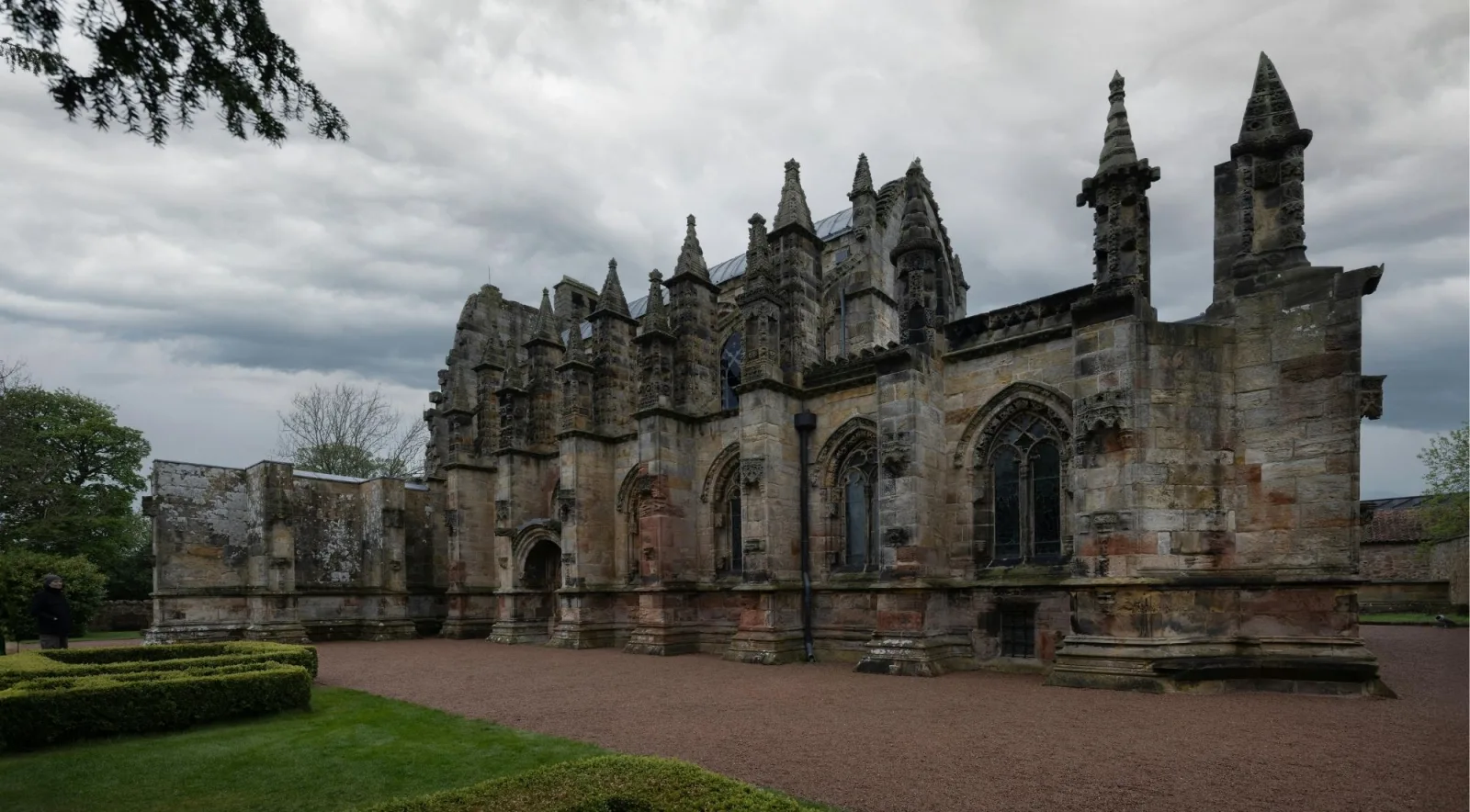
The earlier version of this guide highlighted a Lake District departure: the Windermere Roman Britain private tour. The dated site inventory lists Lanercost, Vindolanda and the Roman Army Museum, with both museum admissions included and pricing per person. Its current listing could not be retrieved during this update, so confirm the route and total directly before relying on it. It is not our featured recommendation. Lanercost illustrates the Wall’s later reuse as building stone.
For the central route, read our first-time visitor guide and one-day itinerary.
Sources and fact-checking references
- Hadrian’s Wall — English Heritage
- Housesteads Roman Fort — English Heritage
- Chesters Roman Fort and Museum — English Heritage
- Birdoswald Roman Fort — English Heritage
- Corbridge Roman Town — English Heritage
- Vindolanda and Roman Army Museum — Vindolanda Trust
- Segedunum Roman Fort — North East Museums
- Arbeia Roman Fort — North East Museums
- Frontiers of the Roman Empire — UNESCO World Heritage Centre