The best Hadrian’s Wall Roman sites at a glance
| Site | Best for | Setting | Suggested time |
|---|---|---|---|
| Housesteads Roman Fort | A classic fort directly on the Wall | High, exposed central landscape | 1.5–2 hours |
| Vindolanda | Archaeology, artefacts and excavation stories | Sheltered valley south of the Wall | 2–3 hours |
| Chesters Roman Fort | Cavalry history and bathhouse remains | River valley near Chollerford | 1.5–2 hours |
| Birdoswald Roman Fort | Western Wall and long visible remains | Open Cumbrian countryside | 1.5–2 hours |
| Corbridge Roman Town | Streets, buildings and civilian life | Tyne Valley | 1–1.5 hours |
| Segedunum Roman Fort | The eastern end and frontier overview | Urban Wallsend | 1–1.5 hours |
| Arbeia Roman Fort | Reconstructed Roman buildings | South Shields | 1–1.5 hours |
| Great North Museum: Hancock | Indoor collections and context | Central Newcastle | 1.5–2 hours |
Times are approximate and exclude transport. Archaeology enthusiasts may need considerably longer at Vindolanda and Housesteads.
1. Housesteads Roman Fort: best for the classic Wall experience
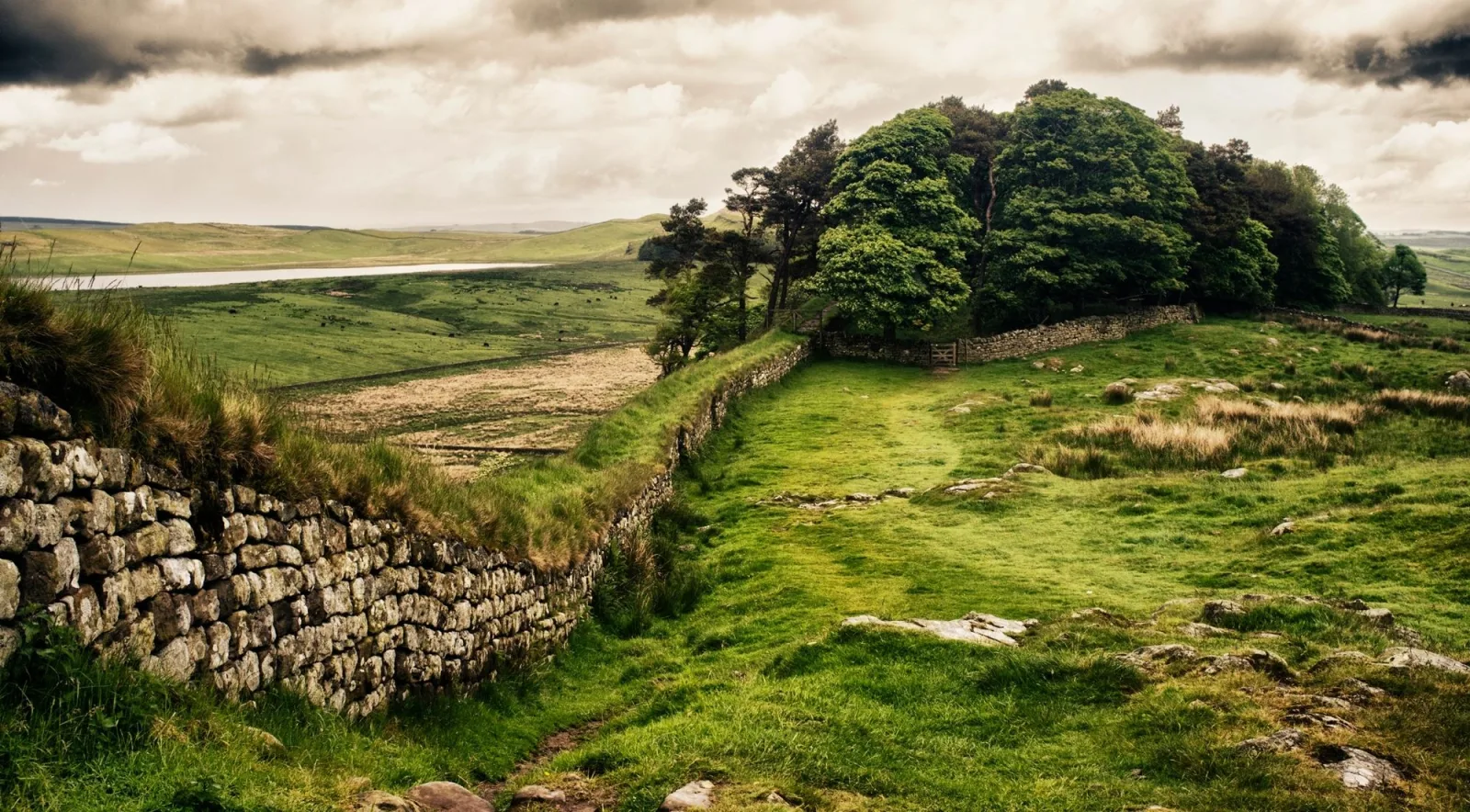
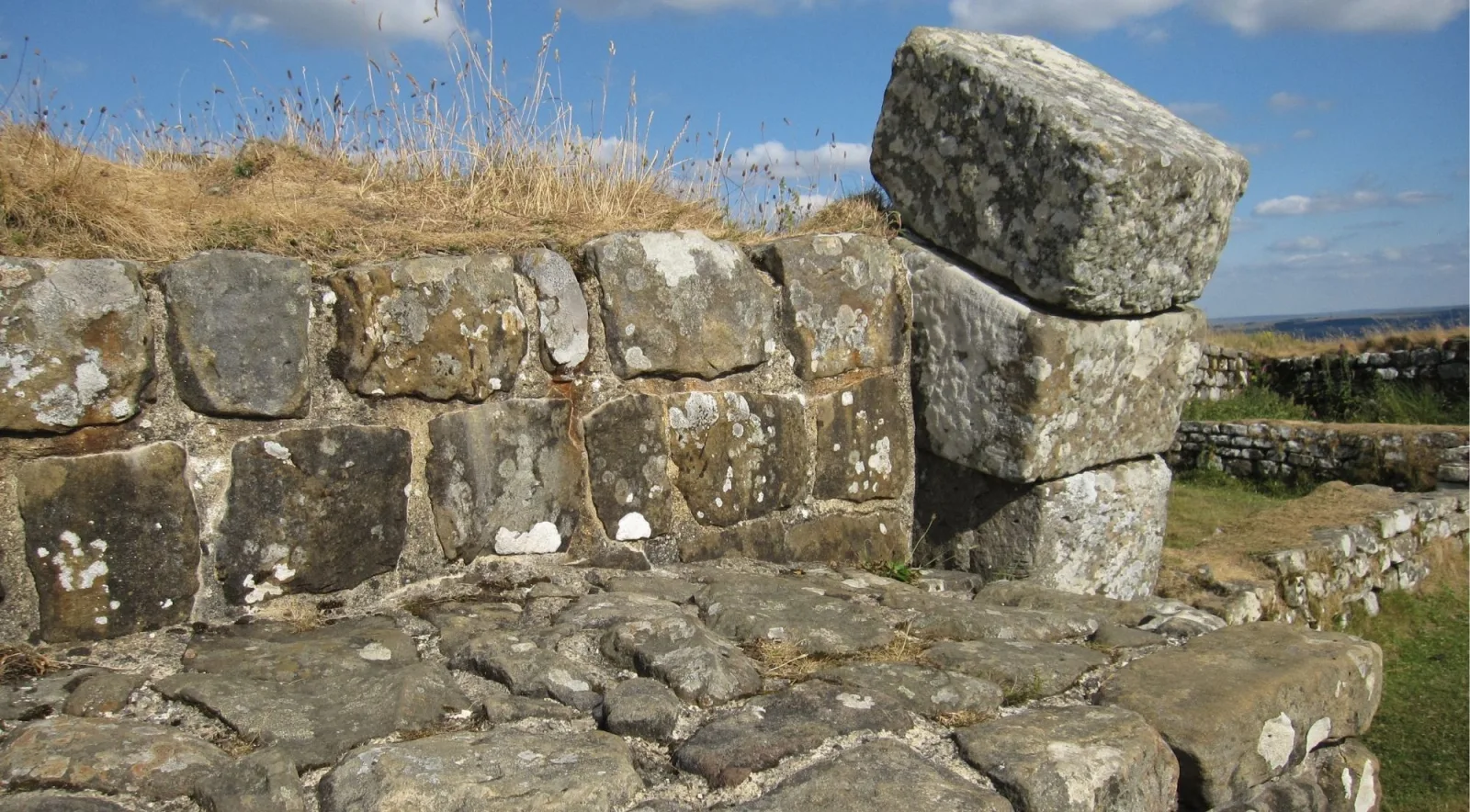
Housesteads is often the best choice for a first-time visitor who wants to see a substantial fort integrated into the famous central landscape. The fort stands high above the surrounding countryside, immediately beside a striking section of Hadrian’s Wall.
Its remains make the structure of a Roman auxiliary fort relatively easy to read. Visitors can identify gateways, the headquarters building, barracks and the celebrated communal latrine. The exposed position also demonstrates how the frontier used the natural high ground.
Housesteads has two separate strengths: archaeology and scenery. A short continuation beside the Wall adds context that a museum-only visit cannot provide. However, reaching the fort involves an uphill walk from the main visitor approach, and the site itself contains uneven surfaces. Independent visitors can compare Housesteads Roman Fort entry tickets, rated 4.22 out of 5 from 55 reviews when checked on 18 September 2026.
Choose Housesteads if:
- You want one fort that feels inseparable from Hadrian’s Wall
- Classic central scenery is a priority
- You are comfortable walking uphill on uneven ground
- You have time for both the ruins and a short Wall walk
Allow: Around 90 minutes to two hours, longer if adding a substantial walk.
Pairs well with: Vindolanda, Steel Rigg or a short section of the central Wall.
2. Vindolanda: best for archaeology and extraordinary discoveries
Vindolanda is not a fort constructed directly on the line of Hadrian’s Wall. It lies just to the south and originated before the stone frontier. Even so, it is one of the most important and rewarding Roman sites in the region.
Successive forts and settlements were built on the site, leaving deeply layered archaeology. Vindolanda is internationally known for its writing tablets, which preserve everyday messages from the Roman frontier. The museum displays these and other finds that make military and civilian life feel unusually personal.
The outdoor remains cover a large area, and active excavation may be visible during the digging season. This combination of landscape, excavated buildings and exceptional objects means Vindolanda should not be squeezed into a brief photo stop.
Choose Vindolanda if:
- Artefacts and everyday Roman life interest you most
- You want a substantial museum as well as outdoor ruins
- Archaeological discovery is central to your visit
- You are happy to spend several hours at one attraction
Allow: At least two hours; three hours is more comfortable for an unhurried visit.
Pairs well with: The Roman Army Museum, Walltown or Steel Rigg.
3. Chesters Roman Fort: best for cavalry and the bathhouse
Chesters occupies a gentler riverside setting near Chollerford. English Heritage describes it as Britain’s best-preserved Roman cavalry fort, once home to roughly 500 auxiliary cavalry troops.
Its standout feature is the military bathhouse near the River North Tyne. The surviving rooms help visitors understand the sequence of changing, bathing and heating spaces much more clearly than a foundation plan alone. The fort also contains headquarters, barracks and gates, while the Clayton Museum displays objects collected during early excavations.
Chesters is a good alternative to Housesteads for visitors who prefer flatter surroundings or want a different military story. The grounds remain uneven, but the overall setting feels less exposed than the central ridge. Compare Chesters Roman Fort and Museum entry tickets, rated 4.42 out of 5 from 16 reviews when checked on 18 September 2026 — a thin sample, so treat it as a starting point.
Choose Chesters if:
- You are interested in Roman cavalry
- Bathhouses and daily life appeal more than dramatic views
- You want a fort and museum in one visit
- Your route follows the Tyne Valley from Newcastle or Hexham
Allow: Around 90 minutes to two hours.
Pairs well with: Corbridge Roman Town, Brunton Turret or Hexham.
4. Birdoswald Roman Fort: best for the western Wall
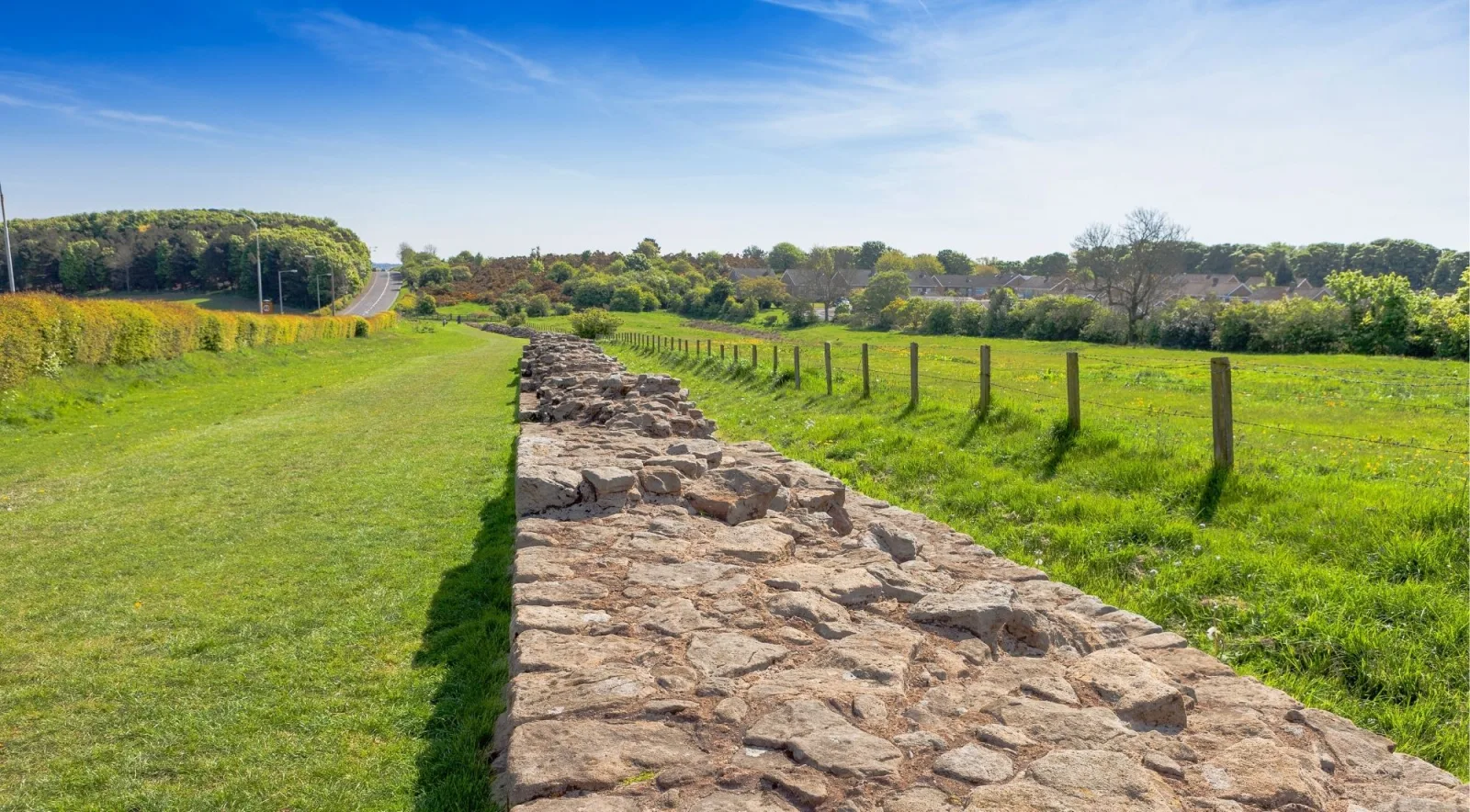
Birdoswald is the strongest major Roman attraction on the western side of Hadrian’s Wall. It stands above the River Irthing and gives visitors access to a long surviving stretch of the frontier.
The fort remains, museum and surrounding earthworks reveal more than a single phase of occupation. Birdoswald is also valuable because it places the archaeology in a quieter landscape, away from the busiest central viewpoints.
Visitors based in Carlisle can reach Birdoswald more efficiently than Housesteads or Chesters. It therefore makes an excellent anchor for a western Wall tour, particularly when combined with Banks Turret and Lanercost. Independent visitors can book Birdoswald Roman Fort entry tickets, rated 4.31 out of 5 from 23 reviews when checked on 18 September 2026. See our Carlisle departure guide for a full western-Wall itinerary.
Choose Birdoswald if:
- You are starting in Carlisle
- You want visible Wall remains with fewer crowds
- You prefer a western itinerary with limited driving
- A combination of museum interpretation and outdoor archaeology suits your group
Allow: Around 90 minutes to two hours, including a short walk beside the Wall.
Pairs well with: Banks Turret, Lanercost Priory, Walltown and the Roman Army Museum.
5. Corbridge Roman Town: best for life beyond a military fort
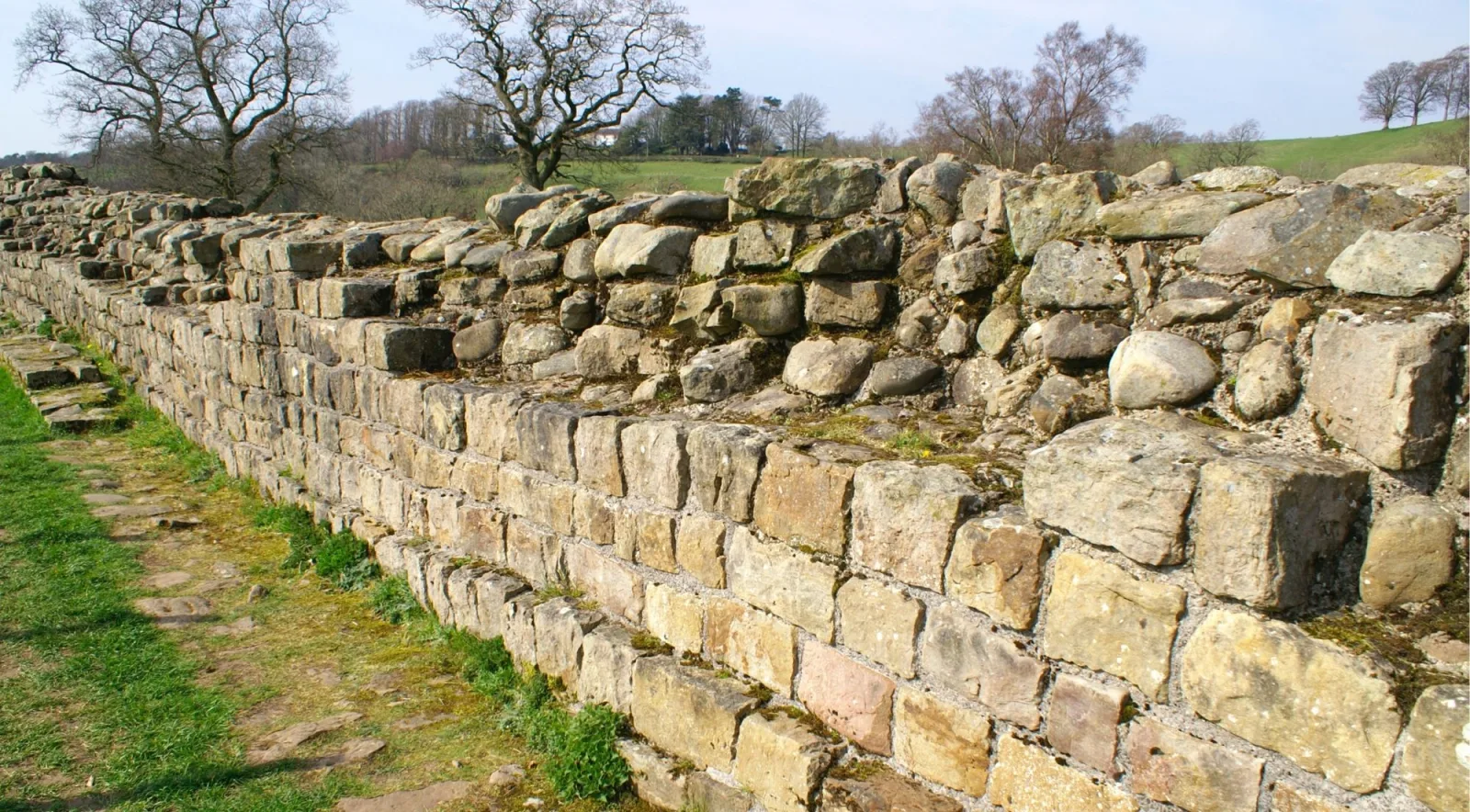
Corbridge developed into a substantial Roman settlement near the frontier. Its remains include streets, granaries, workshops and other buildings that help visitors look beyond the familiar image of soldiers standing guard on a wall.
This is the principal reason to include Corbridge: it adds trade, administration and civilian activity to the story. The site museum displays finds from the settlement, including material that demonstrates its importance within the wider northern Roman landscape.
Corbridge is not positioned on the curtain Wall, so it is better paired with a Wall fort than presented as a replacement for one. Its Tyne Valley location makes it convenient for tours beginning in Newcastle.
Choose Corbridge if:
- You want to understand Roman settlement and supply
- You have already seen a military fort
- You prefer a less strenuous archaeological visit
- Your itinerary includes Chesters or Hexham
Allow: Around one hour to 90 minutes.
Pairs well with: Chesters Roman Fort and the eastern or central Wall.
6. Segedunum Roman Fort: best for the eastern end
Segedunum stands at Wallsend, where its name and location provide a memorable way to begin or finish the frontier story. The site includes the excavated fort plan, museum displays and views across the surrounding area.
Its modern urban setting is very different from Housesteads or Birdoswald. That contrast is part of its value: it shows how the Roman frontier continues beneath and within communities in present-day Tyneside.
Segedunum is convenient for visitors staying in Newcastle and can be reached without committing to a full rural tour. It is especially useful on an arrival or departure day when there is not enough time for the central Wall.
Choose Segedunum if:
- You want to see the eastern end of Hadrian’s Wall
- You are staying in Newcastle without a car
- You need a shorter Roman-history visit
- The relationship between ancient and modern landscapes interests you
Allow: Around one hour to 90 minutes, subject to current opening arrangements.
Pairs well with: Central Newcastle, the Great North Museum or Arbeia.
7. Arbeia Roman Fort: best for reconstructed Roman buildings
Arbeia in South Shields guarded the approach to the River Tyne and served as an important supply base for the frontier. It is not on the linear course of the Wall, but it played a significant role in supporting the Roman military presence.
The site is particularly accessible to people who find low foundations difficult to visualise. Reconstructed buildings, including a gateway and commanding officer’s house, give a much stronger sense of height, space and appearance than ruins alone.
Arbeia works well for families and visual learners. It also broadens the story from frontier defence to logistics, transport and supply.
Choose Arbeia if:
- Reconstructed buildings help you understand archaeological sites
- You are travelling with children
- You are based near Newcastle or the coast
- You want to learn how the Wall’s garrisons were supplied
Allow: Around one hour to 90 minutes.
Pairs well with: Segedunum or another Tyneside attraction.
8. Great North Museum: Hancock: best indoor introduction
The Great North Museum: Hancock in Newcastle is not a fort or outdoor ruin, but its Roman collections can transform a later visit to the Wall. It provides an accessible overview of the frontier and displays inscriptions, altars and other objects found across the region.
This is a useful option when weather makes outdoor exploration unattractive, or when a traveller has only a few hours in Newcastle. It can also introduce the vocabulary of forts, milecastles and religious practice before a guided tour.
Choose the museum if:
- You want an indoor overview before visiting the Wall
- The weather is poor
- Your time is limited to central Newcastle
- Objects and inscriptions are a major interest
Allow: Around 90 minutes to two hours for the Roman material and wider museum.
Pairs well with: Segedunum or a guided Wall tour on the following day.
Other Hadrian’s Wall ruins worth adding
The major forts are only part of the frontier. Smaller remains can be highly rewarding when they fit naturally into the route.
Steel Rigg and Milecastle 39
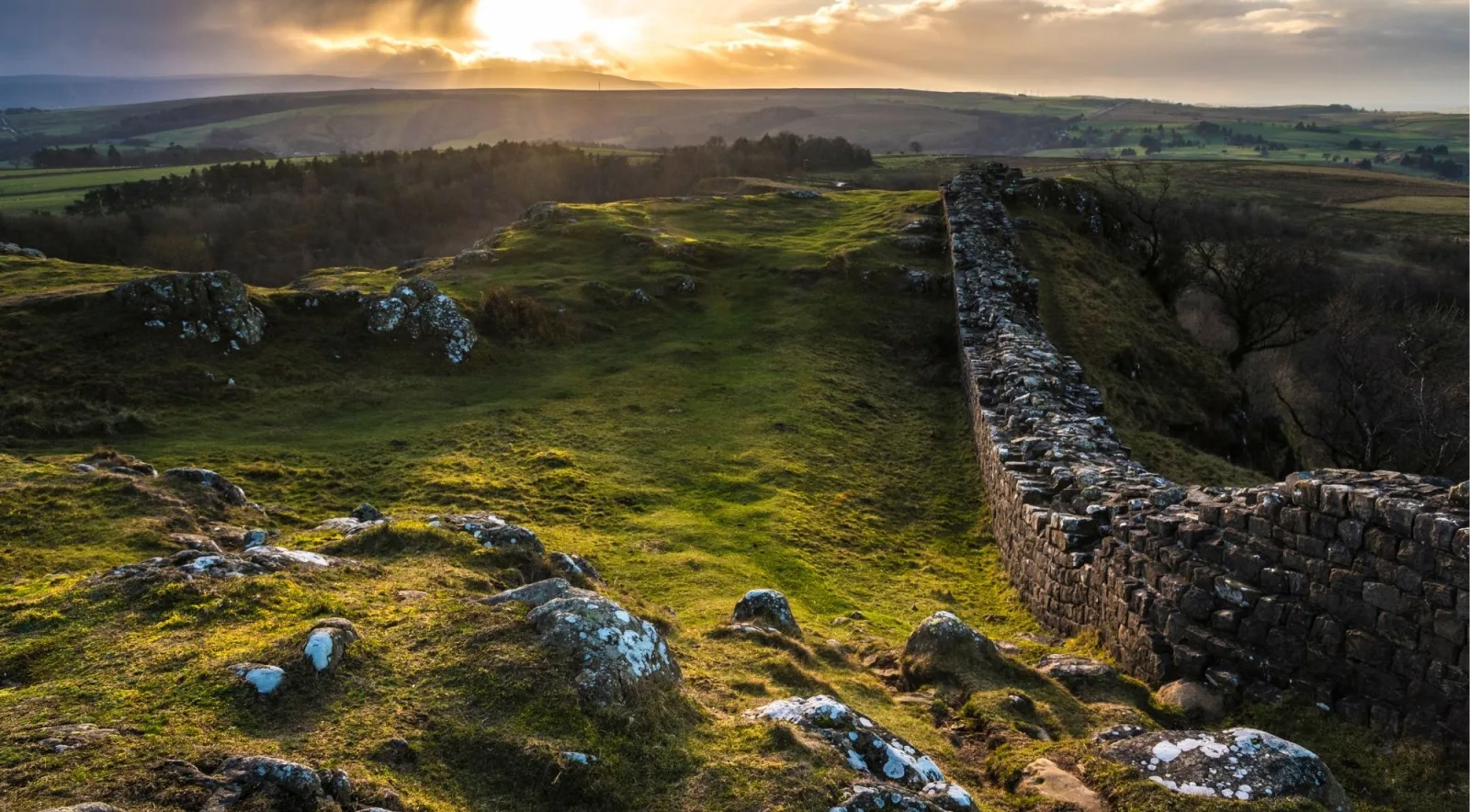
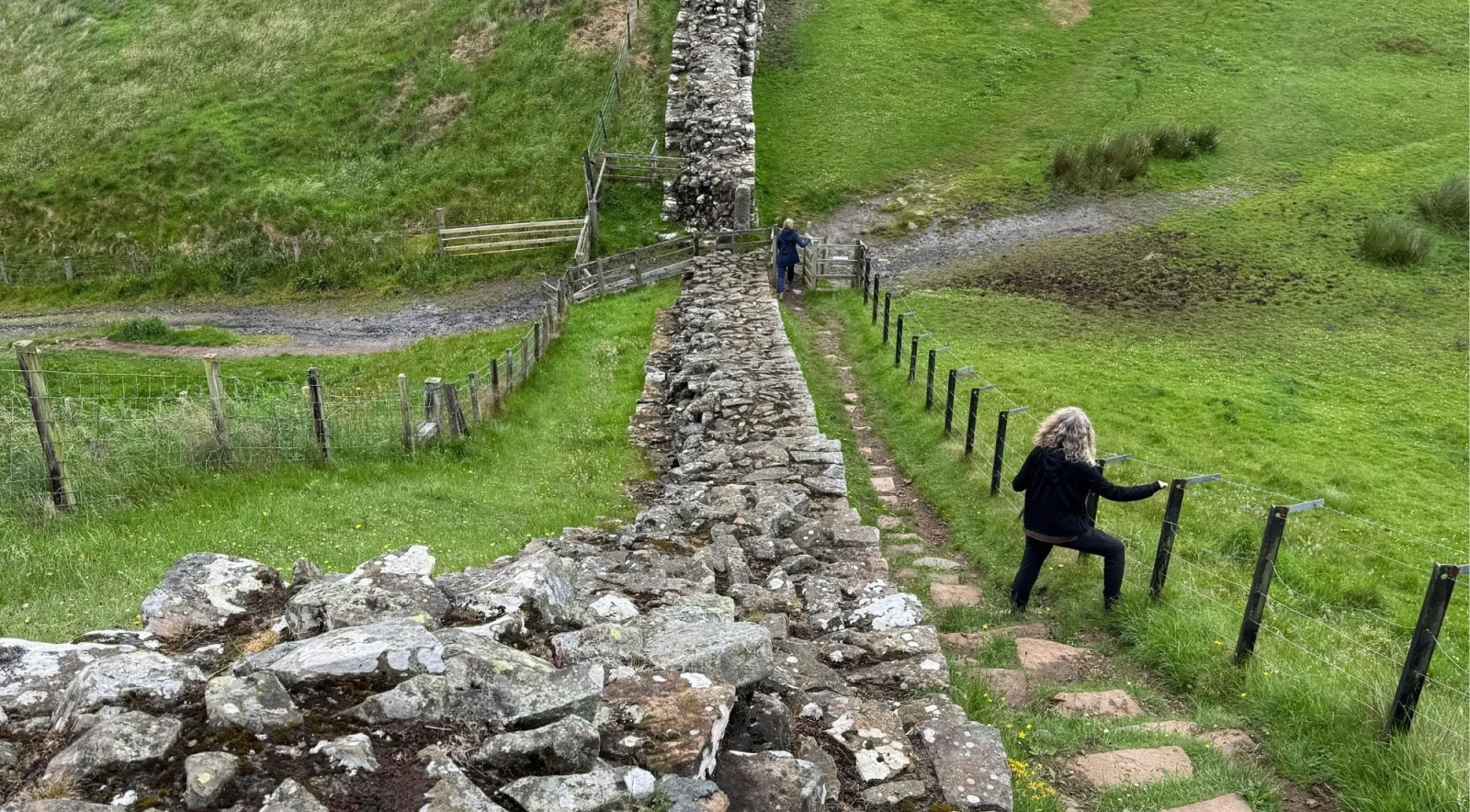
Steel Rigg gives access to one of the most dramatic central sections of Wall. A walk towards Milecastle 39 and the surrounding crags delivers the landscape many visitors imagine before arrival. The terrain is steep and exposed, so distance should be chosen carefully.
Walltown Crags
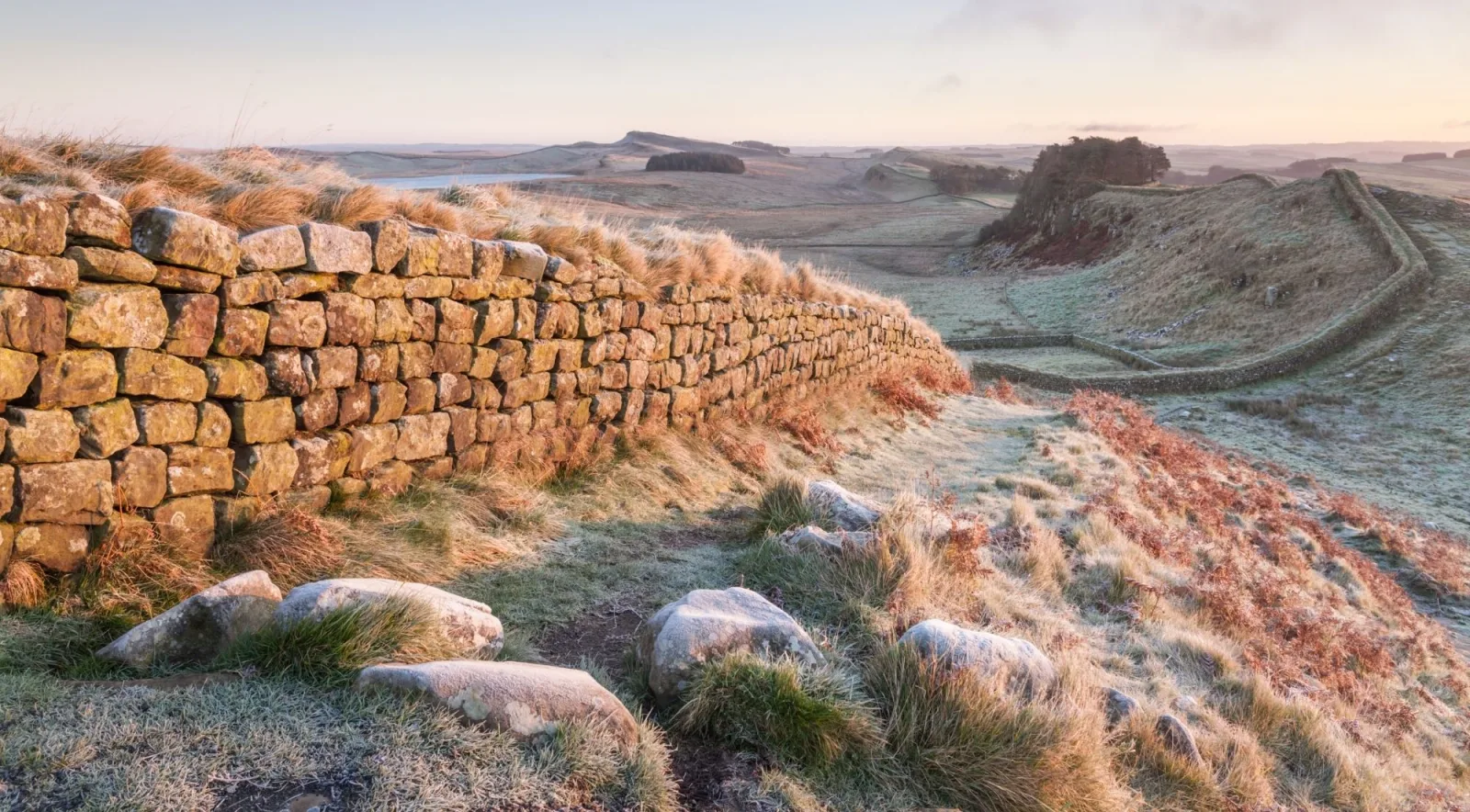
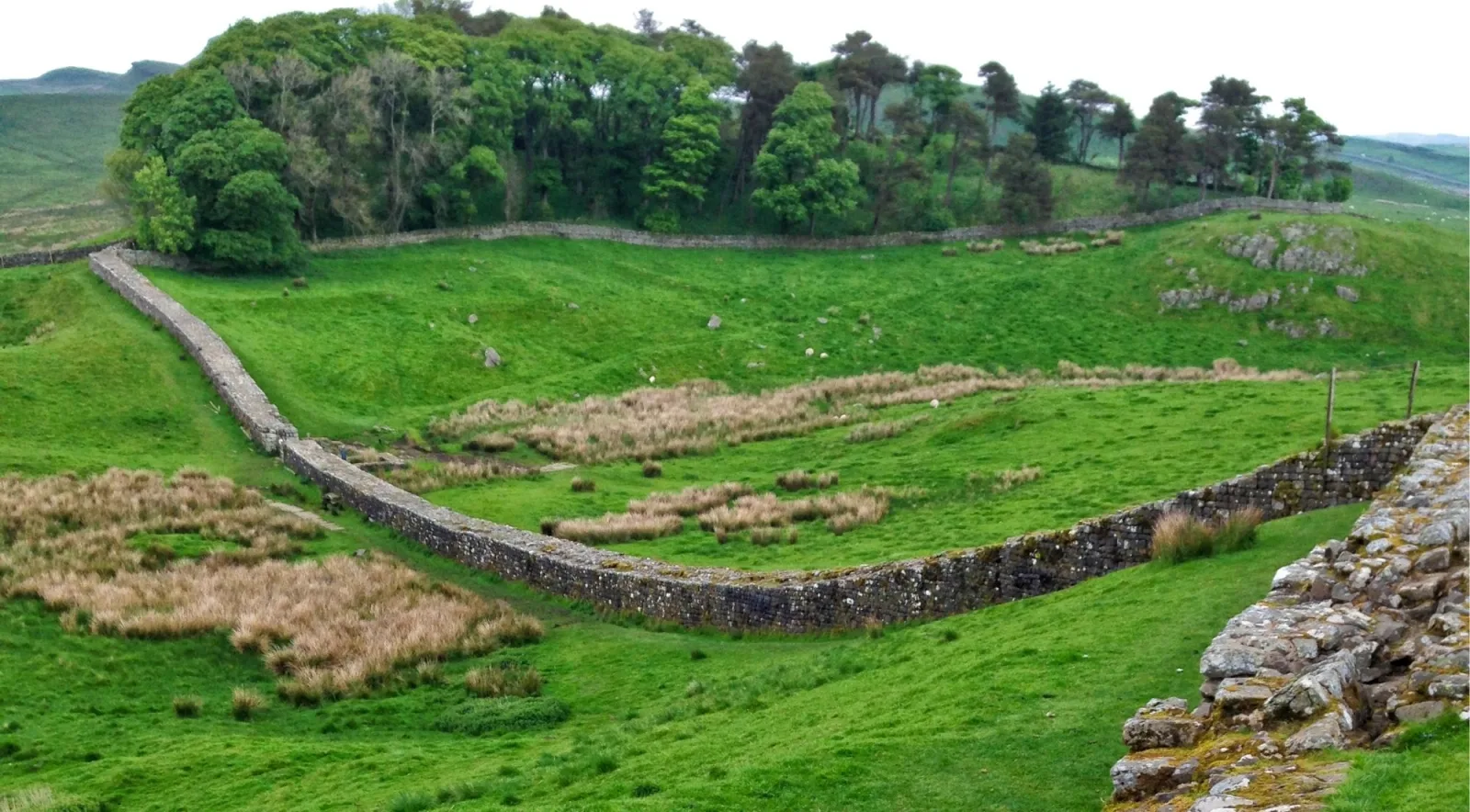
Walltown combines visible frontier remains with rugged scenery west of the busiest central sites. It fits especially well beside the Roman Army Museum and can provide a short scenic walk without committing to a long hike.
Cawfields and Milecastle 42
Cawfields offers a strong combination of parking access, Wall remains and a milecastle in a dramatic quarry-edge setting. It is useful when a tour needs a shorter outdoor stop than the longer walks from Steel Rigg.
Banks East Turret
This western turret helps explain the smaller observation posts built between milecastles. It is normally a brief stop rather than a destination in its own right and works best alongside Birdoswald.
Temple of Mithras at Carrawburgh
The remains of the Mithraeum provide insight into religious life among people serving on the frontier. The site is relatively small, so it is most valuable with a guide or after reading about the cult of Mithras.
Brunton Turret
Brunton preserves a turret and adjoining Wall close to Chesters. It is a helpful addition for visitors who want to compare the frontier’s smaller installations with a full cavalry fort.
Which Roman fort is best for a first visit?
For most first-time visitors, the choice comes down to Housesteads and Vindolanda.
Choose Housesteads if you want a fort directly attached to a striking section of Hadrian’s Wall. It provides the most complete combination of recognisable fort remains, frontier masonry and high-country views.
Choose Vindolanda if museums, artefacts and archaeological discoveries are more important than standing directly on the line of the Wall. Its writing tablets and extensive remains often make the Roman occupants feel more immediate.
If possible, visit both. They complement one another rather than duplicate the same experience. A guided tour can add a short landscape stop between them, but the schedule should leave enough time at each site.
Housesteads vs Vindolanda
| Question | Housesteads | Vindolanda |
|---|---|---|
| Is it directly on Hadrian’s Wall? | Yes | No, it lies just south of the Wall |
| Main attraction | Fort plan and frontier landscape | Layered archaeology and exceptional finds |
| Museum | Yes | Yes, with major collections |
| Walking | Uphill approach and uneven fort | Larger site with extensive outdoor exploration |
| Best for views | Housesteads | Nearby central Wall stops are stronger |
| Best for artefacts | Good | Excellent |
| Time needed | About 1.5–2 hours | About 2–3 hours |
Neither is universally better. Housesteads best represents the monumental Wall; Vindolanda best communicates the lives of the people who occupied its frontier zone.
Can you visit several forts in one day?
Yes, but two major sites are normally enough for a rewarding day. Three can work when they are close together and the group is happy with a brisk pace. More than three often turns the experience into a sequence of car parks.
These combinations are practical:
Classic central Wall day
- Vindolanda
- Housesteads
- Short stop at Steel Rigg or another central viewpoint
This is the strongest first-time itinerary for archaeology and scenery. Do not add another full museum unless the day is unusually long.
Roman army day
- Roman Army Museum
- Vindolanda
- Walltown Crags
The museums provide complementary military and social history, while Walltown adds the frontier landscape.
Tyne Valley day
- Corbridge Roman Town
- Chesters Roman Fort
- Optional short Wall or turret stop
This route works particularly well from Newcastle and avoids excessive driving.
Western Wall day
- Birdoswald Roman Fort
- Banks East Turret
- Lanercost or Walltown
This is the most logical choice from Carlisle and often feels quieter than the central route.
Eastern Roman day
- Segedunum
- Arbeia
- Great North Museum if time permits
This itinerary is suitable for visitors staying on Tyneside and can be organised without travelling deep into rural Northumberland.
Guided tour or independent visit?
A guided tour is valuable because the sites are geographically scattered and their visible remains do not always explain themselves. A guide can connect the fort at Housesteads with nearby milecastles and turrets, identify features in the landscape and adjust the route around weather or opening hours.
Private tours are best for visitors with a specific interest, limited mobility or a desire to spend longer at one site. Small-group tours usually provide a lower per-person price but follow a fixed itinerary.
Independent travel works well with a car and a disciplined plan. Public transport can reach several important locations, especially from Newcastle and Hexham, but seasonal services and connections must be checked for the exact date. Read our comparison of guided and self-guided Hadrian’s Wall tours before deciding.
How much do the Roman sites cost?
Admission arrangements differ. Several major forts charge entry, while some outdoor Wall remains and smaller archaeological sites can be viewed without a standard admission ticket. Prices, concessions, opening days and advance-booking discounts can change.
Check each attraction’s official website rather than relying on an old combined price. Also confirm whether admissions are included in a guided tour. Some itineraries mention a fort but provide only an exterior or landscape stop.
If you intend to visit multiple English Heritage properties, compare the available passes or membership options with the total individual admission cost. Vindolanda and the Roman Army Museum operate separately and offer their own ticket arrangements.
Accessibility and walking considerations
Roman ruins are inherently uneven. Even when a visitor centre is accessible, the full archaeological site may include grass, gravel, slopes, stone thresholds and exposed ground.
Housesteads has a significant approach from the main visitor facilities. Vindolanda covers a large area, while central Wall viewpoints may involve steep ascents and descents. Chesters and Corbridge have gentler settings but still require movement across historic terrain.
Before booking, ask for exact walking distances and surfaces. Travellers with limited mobility may prefer a vehicle tour combining museums, accessible viewpoints and one fort selected for current access conditions. Contact individual attractions for the most reliable site-specific information.
When is the best time to visit?
Spring through early autumn provides longer daylight and the broadest choice of attractions and transport. Summer can be busier at Housesteads, Vindolanda and the main central viewpoints, so early starts are useful.
Spring and autumn often feel quieter, but exposed sites can be cold and windy. Winter visits require particular attention to reduced opening hours, weather and the limited daylight available for outdoor ruins.
Always check live information before travel. Museum hours, last admission, bus timetables, excavation activity and visitor facilities can change independently of one another.
Frequently asked questions
How many Roman forts are on Hadrian’s Wall?
The frontier system included a chain of forts as well as milecastles and turrets. Not every well-known Roman attraction in the area was built directly on the Wall: Vindolanda and Corbridge, for example, are nearby sites that formed part of the wider frontier landscape.
What is the best-preserved fort on Hadrian’s Wall?
“Best preserved” depends on the feature being compared. Housesteads has an exceptionally readable fort plan in a dramatic Wall setting, while Chesters is noted for its cavalry fort and military bathhouse. Birdoswald combines fort remains with a particularly long visible section of Wall.
Which fort has the best museum?
Vindolanda is the leading choice for exceptional artefacts and personal evidence such as the writing tablets. The Roman Army Museum provides the clearest broad introduction to Roman military life, while the Clayton Museum at Chesters contains an important historic collection.
Can I visit Housesteads and Vindolanda on the same day?
Yes. They make one of the best one-day combinations, provided you allow roughly two hours at Housesteads and at least two at Vindolanda, plus travel and a meal break.
Which fort is closest to Newcastle?
Segedunum at Wallsend is the closest major fort experience to central Newcastle. Corbridge and Chesters are convenient choices for a rural tour heading west from the city.
Which fort is closest to Carlisle?
Birdoswald is the principal Hadrian’s Wall fort for a Carlisle-based trip. It combines naturally with smaller western remains and the Roman Army Museum.
Are the ruins suitable for children?
Yes, especially when outdoor exploration is combined with museums or reconstructed buildings. Chesters offers a clear fort layout, Vindolanda has varied displays and Arbeia can be easier to imagine because of its reconstructions. Supervision is essential around uneven masonry and exposed ground.
Do I need to book tickets in advance?
Advance booking may offer savings or guarantee entry at some attractions. Requirements vary by site and date, so use the official attraction page when planning and confirm what a tour price already includes.
Final verdict: which Hadrian’s Wall ruins should you visit?
If you have one day, combine Housesteads and Vindolanda for the strongest mixture of visible frontier, Roman buildings, landscape and museum collections.
Choose Chesters and Corbridge for a less strenuous Tyne Valley route focused on cavalry and civilian settlement. Choose Birdoswald for the western Wall from Carlisle. Choose Segedunum and Arbeia when staying around Newcastle and the coast without time for a full central Wall day.
The best itinerary is not the one with the most site names. Two substantial visits and one carefully chosen landscape stop will reveal more than a rushed tour of every fort.
Compare current Hadrian’s Wall fort tours, or read our comparison of guided and self-guided Hadrian’s Wall tours to decide how much planning you want to take on yourself.
Sources and travel updates
Details checked 18 September 2026. Confirm times, admissions and pickup arrangements for your travel date.
- English Heritage: Hadrian’s Wall places to visit
- English Heritage: Housesteads Roman Fort
- English Heritage: Chesters Roman Fort and Museum
- English Heritage: Birdoswald Roman Fort
- English Heritage: Corbridge Roman Town
- Vindolanda and the Roman Army Museum
- North East Museums: Segedunum Roman Fort
- North East Museums: Arbeia Roman Fort
- Visit Northumberland: getting around Hadrian’s Wall